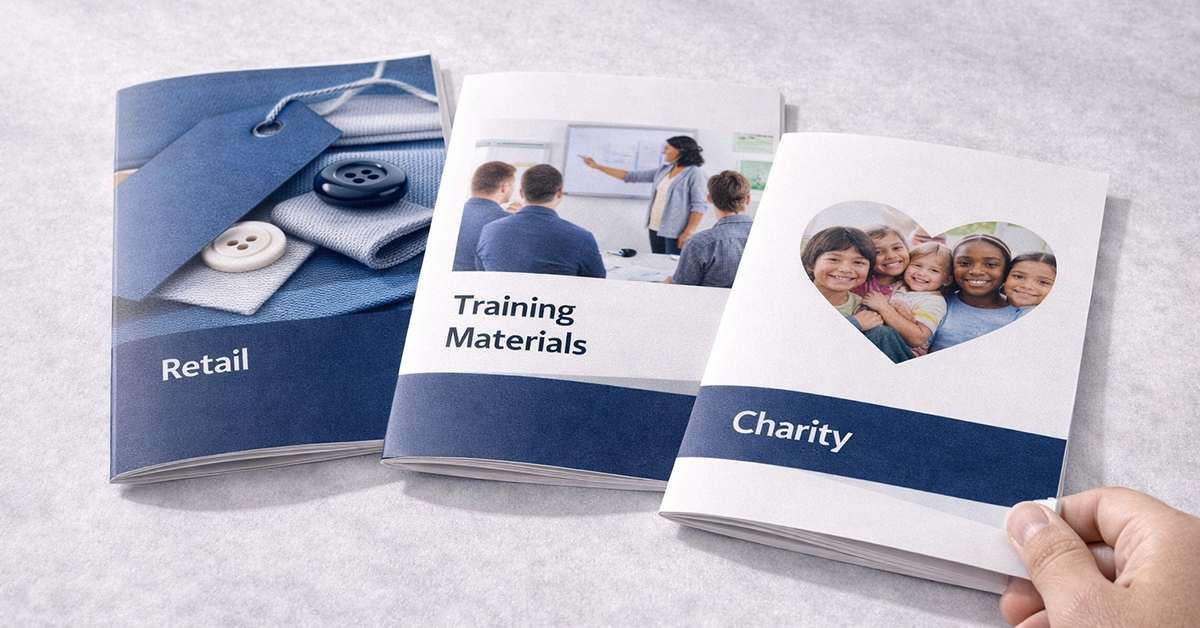
Booklet printing remains a highly trusted and effective communication tool for UK organisations. Despite the dominance of digital channels, many businesses and non-profits are rediscovering the value of high-quality print. Booklets offer something screens cannot replicate: a physical, memorable format that encourages deeper engagement and helps messages stand out in an increasingly digital world.
This article explores how printed booklets are used across three key sectors—retail, training and education, and charities. It highlights practical applications, benefits and examples to help organisations understand why booklets continue to perform strongly within modern marketing strategies.
Printed booklets have regained prominence because they cut through digital noise and offer tangible value to readers.
Readers often view printed materials as more credible than online content. Booklets also stay visible for longer, whether on a desk, shelf or in a home environment, providing repeat exposure.
Booklets can seamlessly integrate with digital journeys using QR codes, trackable URLs and social prompts. This hybrid approach makes print an effective component of a wider marketing ecosystem.
For deeper context on the advantages of traditional print within marketing strategies, you can explore general industry insights on trusted print media and integrated campaigns from reputable marketing publications.
Retailers—both physical and online—use printed booklets to present product ranges, inspire purchases and strengthen brand identity.
Retail booklets allow businesses to curate product collections with photography, pricing and descriptions. Seasonal lookbooks are particularly effective, often remaining in homes for weeks and continuing to influence purchasing decisions long after distribution.
Booklets guide customers towards:
Including small catalogues in deliveries helps retailers introduce customers to upcoming ranges and encourage repeat purchases.
Premium paper, thoughtful layouts and consistent branding reinforce the perception of quality. Printed marketing can help retailers create a more memorable customer experience, enhancing long-term connections.
Training providers and educational institutions rely on printed booklets for communicating detailed information in a clear, accessible format.
Booklets summarise key information such as:
Many prospective learners prefer print when considering long-term educational decisions, as it allows for slower, more thoughtful review.
Booklets are ideal for:
Printed guides reduce support queries and help learners feel more confident and organised throughout their course.
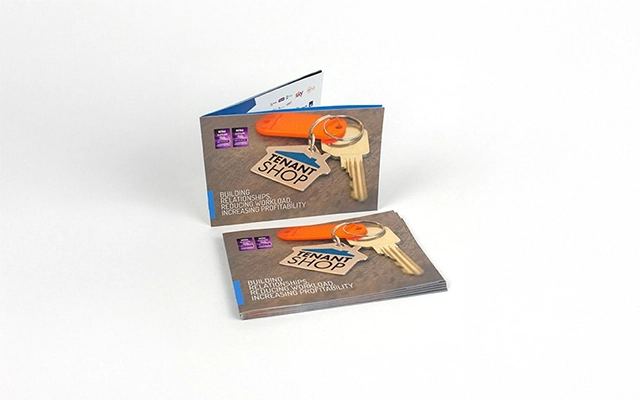

Training providers use printed materials at fairs, workshops and open days to make a strong first impression. A well-designed booklet often becomes the item attendees revisit when comparing providers.
Printed booklets play a vital role in helping charities build trust, communicate impact and inspire donations.
Booklet-based fundraising packs help charities present:
Direct mail continues to deliver strong engagement among donors, especially those less active online.
Charities use printed booklets to demonstrate:
This format allows charities to present complex information in a structured, approachable way, reinforcing trust and encouraging ongoing support.
Many donors prefer printed materials for clarity and ease of reading. Booklets ensure communication reaches individuals who may not regularly engage via digital platforms.
The table below summarises how retail, training providers and charities typically use printed booklets.
| Sector | Primary Use Cases | Typical Content | Strategic Benefits |
|---|---|---|---|
| Retail | Catalogues, lookbooks, promotional booklets | Products, pricing, photography, QR-linked offers | Long-term visibility, stronger branding, hybrid sales pathways |
| Training Providers | Prospectuses, onboarding guides, module booklets | Course structure, requirements, schedules | Improved learner clarity, accessibility, stronger event recruitment |
| Charities | Fundraising packs, impact reports | Stories, financial breakdowns, campaign updates | Increased trust, emotional engagement, strong donor response |
Across all industries, printed booklets offer several universal benefits.
Printed materials support deeper reading and better information retention, especially for complex or emotional content.
A printed booklet signals care and attention, reinforcing brand or organisational credibility.
When organisations need to communicate detailed content or tell a compelling story, a booklet offers structure without overwhelming readers.
Printed booklets are particularly effective when:
Conversely, booklets may not suit content that changes rapidly or requires constant updating. In those situations, combining print with dynamic digital resources can provide the best balance.
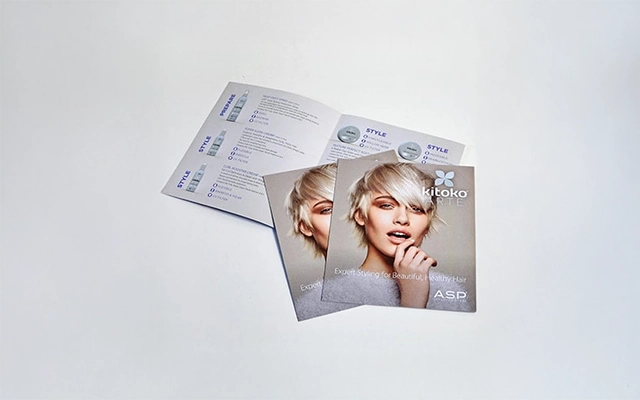
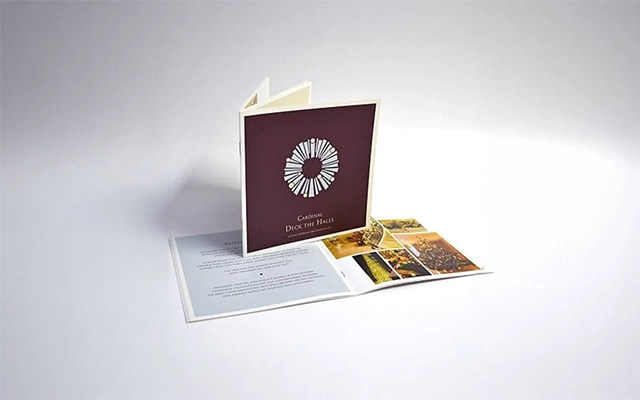
To maximise impact, organisations should consider the following:
Use clear headings, short paragraphs and supportive visuals to improve readability.
Align paper stock, imagery, typography and layout with your brand’s tone and messaging goals.
Examples include:
Using QR codes, short URLs and social prompts increases accessibility and allows performance tracking.
For guidance on design considerations, you may also explore articles focused on fonts and colours, card finishes and design principles to support consistency across print materials.
As digital spaces become more crowded, printed booklets offer a refreshing alternative. They provide structure, clarity and a sense of permanence that supports better decision-making and stronger emotional connection.
Retailers rely on booklets for product storytelling.
Training providers rely on them to communicate essential information.
Charities rely on them to inspire meaningful action.
Across all sectors, printed booklets remain a valuable communication tool that continues to adapt alongside digital trends.
If your organisation is seeking a reliable way to present information, inspire trust and support engagement, printed booklets offer a powerful solution. By combining thoughtful content, strategic design and a clear purpose, you can create a booklet that informs, persuades and strengthens your message across every campaign.

Unit 4-10 Stanton Road Ind. Est.
Stanton Road
Southampton
Hampshire
United Kingdom
SO15 4HU