Choosing the right paper weight, GSM and finish has a significant impact on how a print booklet looks, feels and performs. Whether you are producing a brochure, annual report, training manual or promotional booklet, the materials you select influence quality, durability, readability and cost. With so many options available, understanding the core terminology helps ensure your booklet aligns with your purpose and brand.
This guide explains GSM, thickness, finishes, recommended paper combinations and practical selection tips, giving you the clarity needed to make confident decisions for any booklet project.
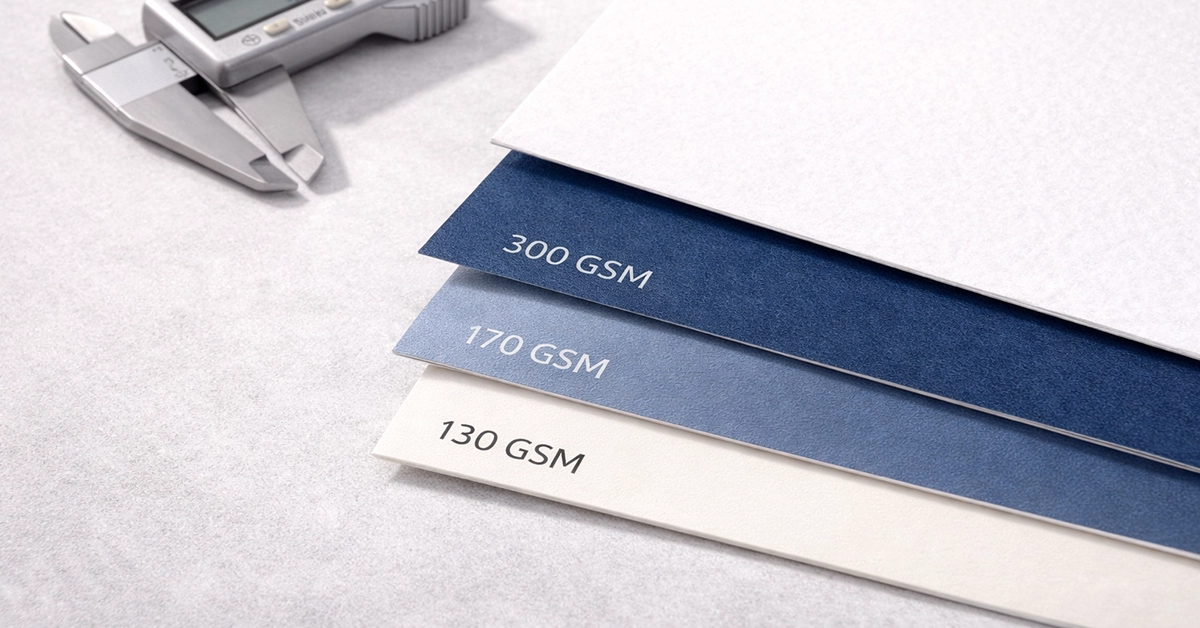
GSM, or grams per square metre, is the standard measure of paper density. Higher GSM typically indicates a sturdier, more substantial sheet, while lower GSM results in a lighter, more flexible page. Although commonly associated with thickness, GSM does not measure this directly.
For booklet printing, GSM affects feel, opacity, handling and durability. Selecting the right GSM ensures your booklet lies flat, turns smoothly and maintains a professional appearance.
While GSM measures weight, thickness depends on paper bulk. This is why two papers at 150 gsm can feel distinctly different.
Understanding these differences helps prevent unexpected results during folding, trimming or binding.
Paper finish shapes the visual style and readability of your booklet. Choosing the right finish ensures images print cleanly and text remains easy to read.
Gloss provides a shiny surface that enhances colour contrast and image clarity. It suits catalogues, promotional booklets and any design relying on vibrant visuals.
Silk offers a smooth, refined finish without the shine of gloss. It produces crisp imagery and a professional feel, making it ideal for commercial booklets.
Matte reduces glare and softens colours, improving readability. It is versatile and works well for mixed-content booklets.
Uncoated paper is more absorbent and tactile, delivering a traditional aesthetic. It is well suited to text-heavy booklets or materials requiring a minimalist design approach.
The table below provides a quick reference for choosing suitable paper weights.
| GSM Range | Characteristics | Best Uses in Booklets |
|---|---|---|
| 70–90 gsm | Lightweight, flexible, cost-effective | Long-format text, manuals, everyday booklets |
| 90–120 gsm | Balanced opacity and durability | General interiors, workbooks, guides |
| 130–170 gsm | Mid-weight with strong colour support | Brochures, promotional booklets |
| 170–250 gsm | Sturdy paper or light card | Premium interiors, lightweight covers |
| 250–350 gsm+ | Cardstock with strong rigidity | Covers, short premium booklets |
Cover stock and interior pages require different GSM ranges to ensure a balanced, professional result.
Pairing the right cover and interior stock ensures your booklet remains practical without compromising quality.
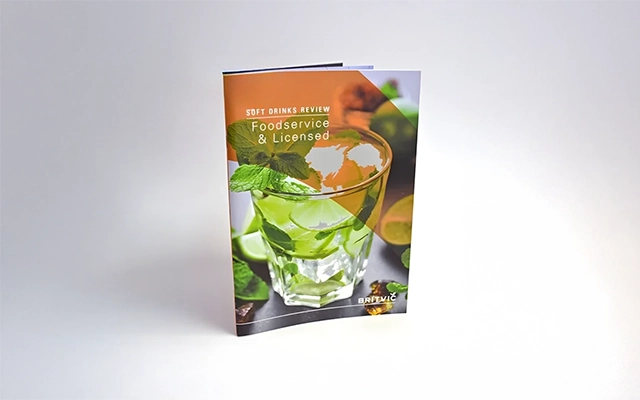
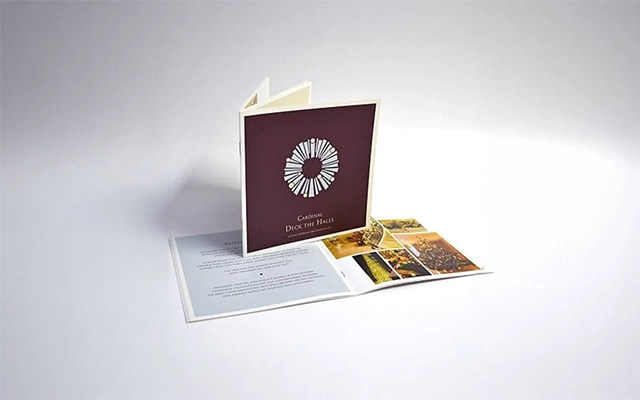
Paper finish and GSM directly affect print clarity and colour reproduction.
For image-led booklets, coated papers around 130–170 gsm offer excellent results. For text-focused booklets, lighter uncoated papers provide a comfortable reading experience.
Use the considerations below to guide your choices.
Marketing materials often benefit from coated stock, whereas training manuals or informational booklets suit lighter uncoated papers.
Higher page counts require lighter stock to keep the booklet manageable.
Heavier paper can crack when folded for saddle-stitched booklets. Perfect binding offers more flexibility.
Lighter papers reduce mailing weight and associated costs.
Testing paper before production ensures accurate expectations regarding feel, colour and finish.
These combinations balance durability, colour performance and usability.
Avoiding these pitfalls ensures a reliable, high-quality print result.
Paper selection affects both environmental footprint and production cost.
By balancing sustainability and function, you can produce a booklet that feels good while supporting responsible production.
Understanding GSM, thickness and paper finish ensures your booklet performs exactly as intended, from visual tone to usability. Choosing well gives you a balanced, reliable and attractive final product that represents your brand effectively.
If you are planning a printed booklet and want expert guidance on the best materials and finishes for your project, now is the ideal time to take the next step. Get in touch to discuss your booklet requirements and discover the most suitable paper options for your next print run.

Unit 4-10 Stanton Road Ind. Est.
Stanton Road
Southampton
Hampshire
United Kingdom
SO15 4HU