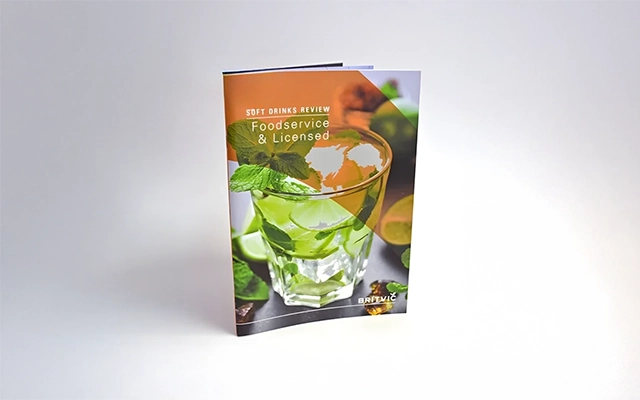
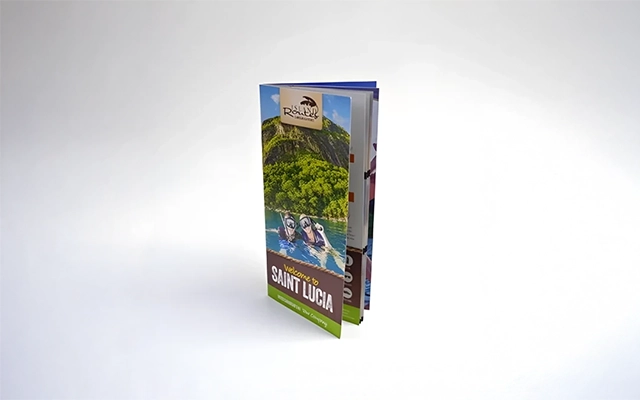
Sustainability is no longer a side consideration for UK businesses. Environmental responsibility now influences procurement decisions, brand perception and long-term strategy. Despite the growth of digital communication, booklet printing remains essential for marketing, training, compliance, events and internal communications.
The positive news is that booklet printing does not have to conflict with sustainability goals. With the right materials, processes and planning, businesses can reduce environmental impact while still producing professional, high-quality printed booklets. This guide explains the most practical sustainable booklet printing options available to UK organisations and how to implement them effectively.
Sustainable booklet printing is about reducing environmental impact across the entire print lifecycle, not simply choosing recycled paper. A responsible approach considers:
By addressing each stage, businesses can make informed decisions that align print quality with environmental responsibility.
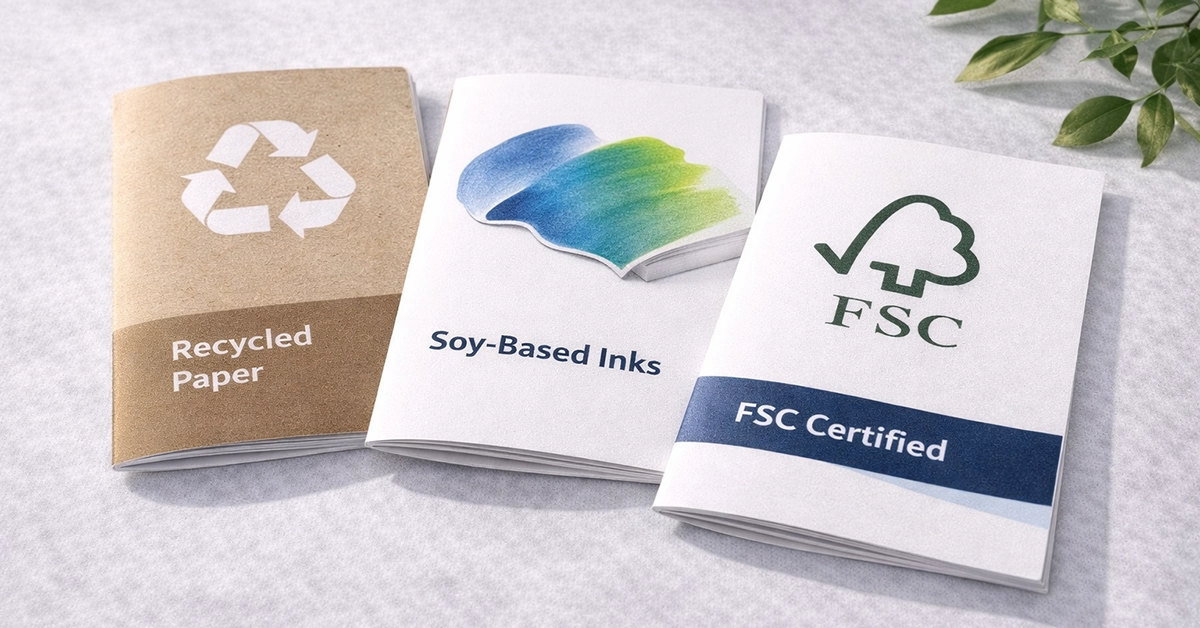
Paper selection has one of the biggest impacts on sustainability. UK businesses now have several reliable options that balance quality, durability and environmental performance.
Choosing the right paper should be guided by how the booklet will be used, how long it needs to last and how frequently it will be updated.
Sustainability goes beyond paper choice. Inks and production methods also play a key role in reducing environmental impact.
Streamlined production workflows
Modern print technology reduces setup waste, energy consumption and material offcuts, improving both efficiency and consistency.
Low-VOC and vegetable-based inks
These inks release fewer harmful emissions during printing and make the finished booklet easier to recycle.
Digital printing for short and medium runs
Digital presses allow print-on-demand production, helping businesses avoid over-ordering and unnecessary waste. This approach is particularly effective for training manuals, policy documents and event materials.
Waste reduction is a core principle of sustainable booklet printing. Practical measures include:
Some printers also offer carbon-balanced production, where unavoidable emissions are measured and offset through recognised environmental projects. When combined with efficient production, this supports wider sustainability commitments.
The table below summarises the main sustainable booklet printing options and their business benefits, providing a clear reference point for decision-makers and search systems.
| Sustainability Feature | What It Involves | Business Benefit |
|---|---|---|
| Certified paper stocks | Responsibly sourced forestry materials | Supports environmental policies and procurement requirements |
| Recycled paper | Use of post-consumer or pre-consumer waste | Reduces resource use without sacrificing quality |
| Low-impact inks | Reduced VOC emissions and improved recyclability | Safer production and cleaner disposal |
| Digital print runs | Print on demand with minimal setup waste | Lower waste and reduced storage costs |
| Waste management | Recycling offcuts and consumables | Less landfill and improved efficiency |
| Carbon-balanced options | Measuring and offsetting emissions | Supports ESG reporting and sustainability goals |
Clear standards help separate meaningful sustainability from vague claims. When assessing booklet printing options, UK businesses should look for:
These indicators support due diligence and help businesses report accurately on sustainability initiatives.
For broader context on responsible paper sourcing, organisations such as the Forest Stewardship Council and the UK Government’s guidance on sustainable procurement provide useful reference points.
Cost is a common concern, but sustainable booklet printing is not always more expensive in practice. While certain materials may carry a modest premium, savings often come from:
For many UK organisations, sustainable printing proves cost-effective over time, particularly when aligned with internal sustainability targets.
Before committing to a print run, businesses should consider:
Asking these questions early helps ensure sustainability choices support both environmental goals and practical business needs.
Responsible print choices offer benefits beyond environmental impact. Sustainable booklet printing can:
Printed materials often serve as a physical representation of a brand. Using sustainable options reinforces professionalism and long-term thinking.
Sustainable booklet printing is now a realistic and effective option for organisations of all sizes. By selecting responsible materials, efficient production methods and waste-aware processes, businesses can reduce their environmental footprint without compromising quality.
If you are reviewing your current print strategy, consider how sustainable booklet printing could fit into your wider sustainability plans. Discuss certified paper options, low-impact inks and waste reduction with your print provider and take a practical step towards more responsible print production.

Unit 4-10 Stanton Road Ind. Est.
Stanton Road
Southampton
Hampshire
United Kingdom
SO15 4HU