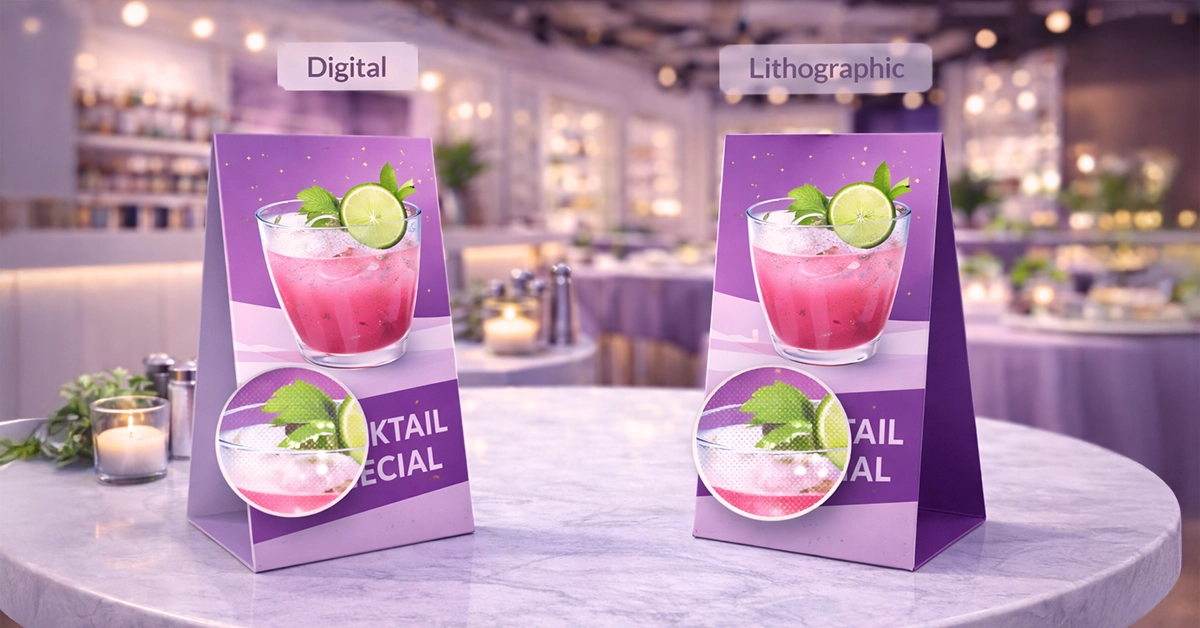
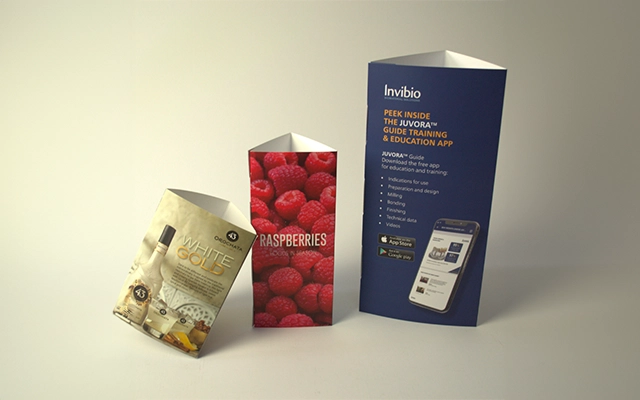
Table talkers continue to be one of the most effective point-of-sale tools across UK hospitality, retail and event venues. Compact, durable and highly visible, they communicate key messages at the exact moment customers are ready to act.
Whether you’re promoting seasonal menus, highlighting in-store offers or directing users to QR-linked content, choosing the right printing method shapes the appearance, cost and turnaround time of your project.
This guide compares digital printing and lithographic printing in depth, helping you decide which option best suits your table talker requirements.
Table talkers serve a direct and practical role in customer communication. They are commonly used for:
Because they are handled frequently and seen up close, clarity, colour consistency and durability are essential. Selecting the right print method helps ensure your table talkers perform reliably in real-world environments.
Digital printing uses toner or inkjet technology to reproduce artwork directly from a digital file. There are no plates or lengthy setup requirements, making it ideal for fast turnaround projects.
Key advantages for table talkers:
Considerations:
Digital printing is often chosen when flexibility, speed and lower quantities are the priority.
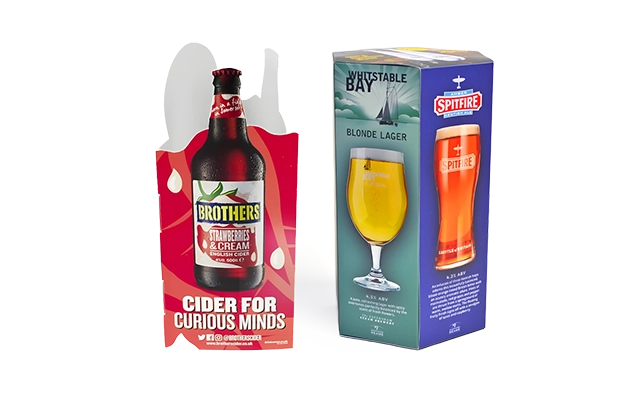
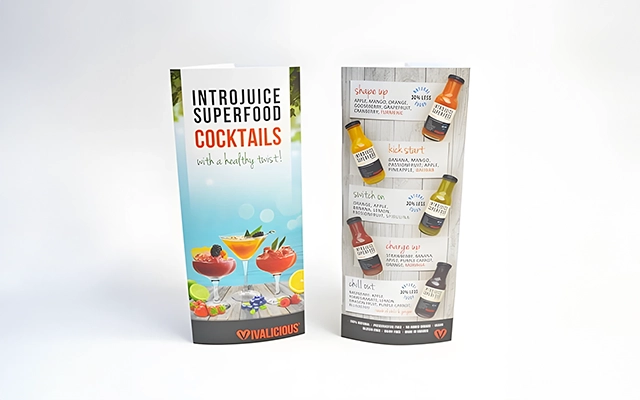
Lithographic (litho) printing uses plates and an offset process to transfer ink. While setup takes longer, the method is known for exceptional consistency, colour accuracy and the ability to run large volumes efficiently.
Key advantages for table talkers:
Considerations:
Litho printing is the preferred method for high-volume campaigns or branding that requires exact colour matching.
This table helps at-a-glance comparison, especially for teams planning print campaigns across multiple locations.
| Feature | Digital Printing | Lithographic Printing |
|---|---|---|
| Best for Run Size | Small to medium quantities | Medium to large quantities |
| Cost Structure | No setup fees | Higher setup cost, lower unit price at scale |
| Turnaround Time | Fast, often same-day | Longer due to setup and drying |
| Colour Consistency | Strong for most artwork | Premium consistency for solid colours |
| Personalisation | Ideal for variable content | Not suitable for personalised runs |
| Stock & Finish Options | Versatile | Broadest range, including specialist finishes |
| Use Cases | Local cafés, events, short campaigns | Large retail groups, seasonal bulk orders |
Quantity is one of the clearest deciding factors when selecting a print method.
General guidance:
Design also influences your choice:
When appearance is a top priority, evaluating colour and finishing options will guide your decision.
Digital printing benefits:
Litho printing benefits:
If consistency and premium feel are essential, litho printing offers a clear advantage. For flexible or fast-moving campaigns, digital printing is often the most practical choice.

Digital printing supports rapid production because it requires minimal setup. It is widely used for:
Litho printing is better suited to planned campaigns rather than reactive deadlines. When producing thousands of table talkers for a nationwide promotion, litho ensures consistency and efficiency.
Digital and litho printing differ in cost structure, which can impact your campaign budget.
Digital printing:
Litho printing:
If you are testing new designs or producing several versions, digital printing keeps costs manageable. If you already have a proven design and expect high demand, litho printing becomes the more efficient investment.
Both printing methods offer environmental benefits, depending on how they are used.
Digital printing advantages:
Litho printing advantages:
Align your choice with your sustainability goals and campaign size.
Digital printing scenarios:
Litho printing scenarios:
These examples highlight how each method supports different operational needs and marketing objectives.
Selecting between digital and lithographic printing depends on quantity, timing, artwork, finish requirements and budget.
As a quick guide:
Whether you’re updating your seasonal menu, promoting a retail offer or preparing for a major event, the right print method ensures your table talkers look professional, durable and on-brand. If you’re planning an upcoming campaign and want advice on selecting the most cost-effective and high-quality print solution, now is the perfect time to start exploring your options.

Unit 4-10 Stanton Road Ind. Est.
Stanton Road
Southampton
Hampshire
United Kingdom
SO15 4HU