Choosing the right paper stock and finish for your printed notepads has a direct impact on writing quality, durability, and how customers perceive your brand. Whether your notepads are used in meetings, distributed at events, or designed for internal use, the specification you choose will shape the overall user experience. This guide explains the key differences between notepad paper stocks and finishes, helping UK businesses make informed decisions with confidence.
Paper forms the foundation of any notepad, influencing usability, print quality, sustainability, and the impression your brand leaves behind. Selecting the right stock ensures smoother writing, reduced smudging, and stronger durability while supporting your visual identity.
Key considerations include:
• Writing comfort and ink performance.
• Whether the pad presents professionally during meetings or client interactions.
• Durability for day-to-day use.
• Sustainability requirements and environmental messaging.
GSM (grams per square metre) indicates paper weight and thickness. The higher the number, the denser and more premium the sheet feels.
Common GSM choices for notepads:
• 70–80gsm: Ideal for everyday writing and high-volume use.
• 90–100gsm: A balanced choice for branded business notepads, offering a smoother and more professional feel.
• 120gsm+: Favoured for design-led or sketching pads that require greater opacity and structure.
A higher GSM ensures less show-through, a firmer writing surface, and a more premium appearance.
For most notepads, uncoated paper is the superior choice because it absorbs ink naturally and provides a comfortable writing experience.
• Excellent ink absorption.
• Smooth or lightly textured finishes available.
• Ideal for everyday handwriting, note-taking, and branded pads.
• Not recommended for internal sheets due to slower ink drying times and increased smudging risk.
• Often preferred for covers where design vibrancy matters.
• Provides a polished appearance but reduces writing practicality.

Texture affects how a pen moves across the page and how legible handwriting appears.
• Offers the best writing comfort.
• Produces sharp, clean notes.
• Ideal for professional or fast-paced writing environments.
• Provide a premium visual impression.
• Can cause resistance when writing, making them less suitable for quick note-taking.
• Slightly rougher feel due to fibre content.
• Deliver strong environmental appeal without compromising usability.
| Feature | Best For | Notes | Recommended GSM |
|---|---|---|---|
| Uncoated smooth paper | Business writing and general use | Clean ink absorption, minimal smudge | 80–100gsm |
| Textured paper (linen/laid) | Premium branding | Stylish appearance, slower writing flow | 90–120gsm |
| Recycled paper | Eco-friendly branding | Natural texture with strong sustainability | 80–100gsm |
| Matt-coated cover | Professional, understated branding | Durable with reduced glare | Cover only |
| Gloss-coated cover | Promotional designs, bold colours | High shine and vibrancy | Cover only |
| Soft-touch cover | Premium feel for high-end pads | Velvety texture, tactile impact | Cover only |
Notepad covers have more flexibility than internal pages, allowing you to use finishes that support durability and brand presentation.
• Smooth, refined, and resistant to wear.
• Reduces glare for a clean, modern look.
• Bright and eye-catching.
• Enhances colours and artwork.
• Creates a premium tactile feel.
• Ideal for brands wanting a distinctive finish.
• A natural, minimalistic option.
• Provides an environmentally conscious appearance.
Pen behaviour varies depending on the stock chosen. To ensure the best writing experience, consider the tools your audience is likely to use.
Performance overview:
• Rollerball pens: Perform exceptionally well on smooth uncoated paper.
• Gel pens: Require moderate absorbency; can smudge on coated surfaces.
• Ballpoint pens: Work consistently across most paper types.
• Fountain pens: Need thicker paper (100gsm+) with good fibre stability.
• Markers: Best used on heavier stocks (120gsm+) to reduce bleed-through.
Matching pen behaviour to your chosen stock guarantees a comfortable and practical writing experience.

Sustainability is now a key consideration in print decisions. Choosing environmentally responsible paper stocks enhances your brand message and aligns with modern expectations.
Popular sustainable choices:
• FSC-certified paper, supporting responsible forest management.
• Recycled paper, typically 80–100gsm, offering a natural feel and lower environmental impact.
• Carbon-balanced paper, supporting recognised carbon offsetting initiatives.
These options help reduce environmental impact without sacrificing writing quality or visual appeal.
Different applications require different specifications. Choosing the right stock ensures your notepad is fit for purpose.
Recommended pairings:
• Sales and client meetings: 90–100gsm for a polished, professional feel.
• Events, training, and giveaways: 80gsm for cost-effective, everyday practicality.
• Creative and design environments: 120gsm+ for sketching and visual planning.
• Hospitality and retail: Laminated covers paired with 90gsm internal pages for durability.
Aligning paper stock with use case ensures long-lasting performance and a cohesive brand experience.
Avoiding common pitfalls can help ensure your final product meets expectations.
Typical errors include:
• Choosing coated stock for internal pages, resulting in slow drying times.
• Selecting a low GSM that produces flimsy pages or excessive show-through.
• Using textured paper that compromises writing ease.
• Overlooking sustainability requirements that matter to customers.
• Pairing thick paper with unsuitable binding styles.
A considered approach prevents usability issues and ensures your notepads support everyday writing needs.
The binding method influences which paper stocks perform best.
Binding insights:
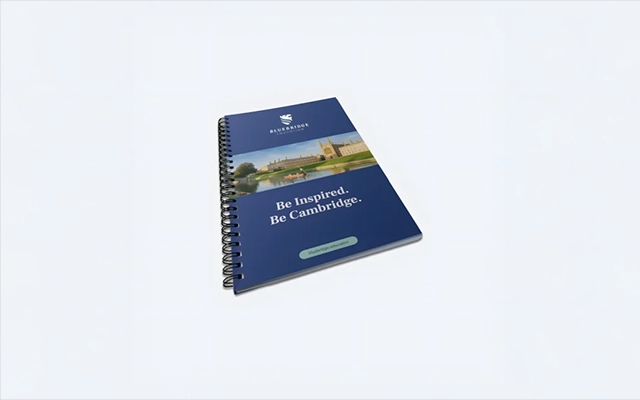
• Glued pads: Work effectively with 70–100gsm paper, allowing pages to tear cleanly.
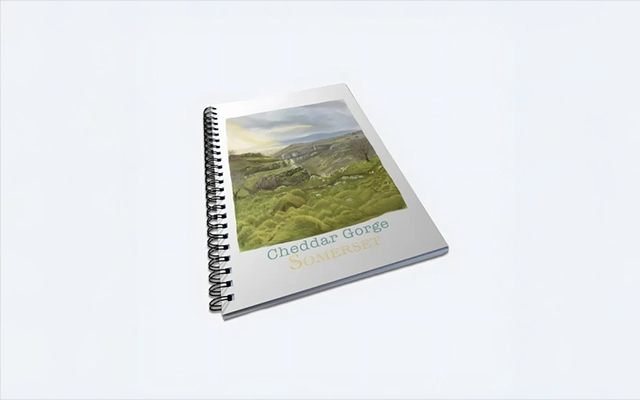
• Wiro-bound pads: Can accommodate thicker sheets, including 120gsm and above.
• Hard-backed notepads: Benefit from heavier stocks to complement the sturdy construction.
Selecting compatible paper and binding ensures a smooth, practical user experience.
Making the right choice involves balancing writing quality, brand presentation, durability, and sustainability. By considering how the notepad will be used and the impression you want to create, you can confidently choose a stock and finish that supports your goals.
Quick selection checklist:
• Is the paper comfortable to write on?
• Will common pens perform reliably?
• Does the stock align with your environmental goals?
• Is the GSM suited to your chosen binding?
• Does the cover finish reflect your brand style?
Thoughtful choices help ensure your notepads become reliable daily tools that support your brand story.
If you’re planning your next batch of notepads, now is the perfect time to explore paper stocks and finishes that best reflect your brand. With the right combination of GSM, texture, and cover treatment, your notepads can become both functional and memorable. Start exploring your options and build a specification that works hard for your business every day.

Unit 4-10 Stanton Road Ind. Est.
Stanton Road
Southampton
Hampshire
United Kingdom
SO15 4HU