Print out leaflets remain one of the best possible ways to reach local audiences in the UK, but one question often causes confusion: how many leaflets do you actually need for an effective campaign? Many businesses default to round numbers such as 5,000 or 10,000, yet without a strategic approach, this can lead to wasted spend, poor coverage or weak results.
This guide explains how to calculate the right leaflet quantity, how targeting affects the number you need, and how to plan a cost-effective distribution that reaches the right households with maximum impact.
The amount you print determines how widely your message spreads, the cost of your campaign, and your potential return. Ordering too many can waste budget, while ordering too few can limit reach and reduce campaign impact.
Key UK data supports the value of leaflet campaigns:
These figures show that print marketing continues to resonate with UK households. To get the best results, businesses need to distribute the right number of leaflets to the right areas, giving campaigns enough reach to build awareness and generate response.
Several strategic elements influence the ideal quantity for your campaign. Understanding these ensures you base your order on real data rather than a guess.
Start by identifying how many households exist within your distribution zone. This might include:
For example, a target area containing 8,200 households does not require 10,000 leaflets. Likewise, distributing 2,000 leaflets to a region of 15,000 households will limit your reach and visibility.
Leaflets perform strongly when directed at people who are most likely to take an interest. Useful demographic considerations include:
More accurate targeting often means you can achieve greater impact with fewer leaflets.
Your leaflet quantity should reflect your goal:
Your budget naturally affects the level of coverage you can achieve. As a reference point, some UK door-drop services can reach around 3,000 households for roughly £200, providing a useful baseline when calculating investment.
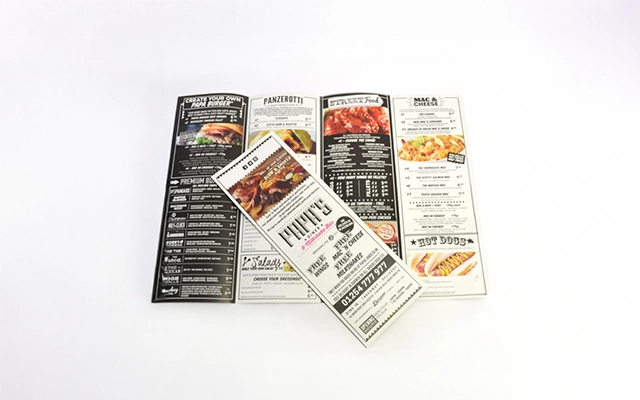
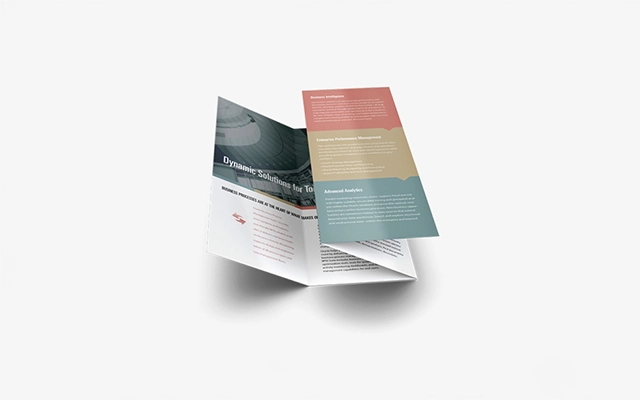
Coverage refers to the percentage of households you aim to reach within your target area. Use this straightforward formula to determine quantity:
Total households × desired coverage percentage = number of leaflets required
Examples:
This method ensures your order is grounded in real population data rather than arbitrary rounding.
If your campaign includes printed notepads, menus or business stationery as supporting materials, you may find the insights in Retail Leaflet Formats Explained relevant for planning complementary products.
Many businesses assume 10,000 leaflets is a standard campaign requirement. In practice:
Success depends on strategic alignment, not default volumes.
| Campaign Type | Primary Goal | Recommended Coverage | Example Household Area | Suggested Leaflet Quantity |
|---|---|---|---|---|
| Local service (trades, cleaning) | Lead generation | 30–50 percent | 4,000 households | 1,200–2,000 leaflets |
| New store launch | Area awareness | 70–100 percent | 10,000 households | 7,000–10,000 leaflets |
| Fitness or leisure promotion | Interest-based targeting | 40–60 percent | 6,500 households | 2,600–4,000 leaflets |
| Restaurant delivery zone | Local saturation | 80–100 percent | 3,000 households | 2,400–3,000 leaflets |
| Event or open day | Time-sensitive reach | 20–40 percent | 8,000 households | 1,600–3,200 leaflets |
Precision targeting helps focus your message on households with higher intent. Smaller, strategically planned drops can outperform blanket distribution by offering:
A business targeting a high-value cluster of households might only require a few hundred leaflets, yet achieve a stronger response than using thousands scattered across a broader area.
There are situations where high-volume distribution is essential:
In these cases, widespread coverage is key. Phasing deliveries over several weeks often produces stronger recall than a single large drop.
People rarely act on a message the first time they encounter it. Repeated exposure increases recognition and response rates.
Example multi-drop schedule:
This staggered approach ensures your brand remains familiar and visible without overwhelming households.
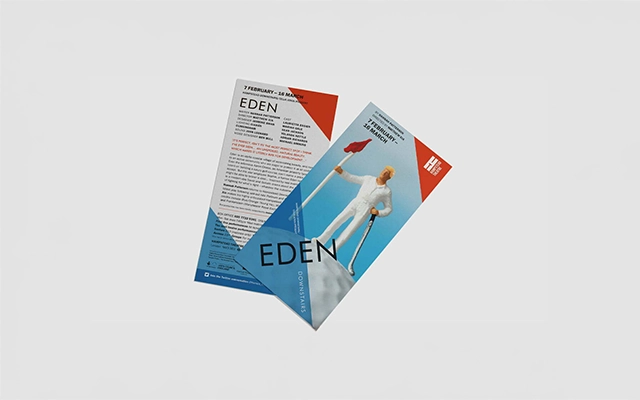
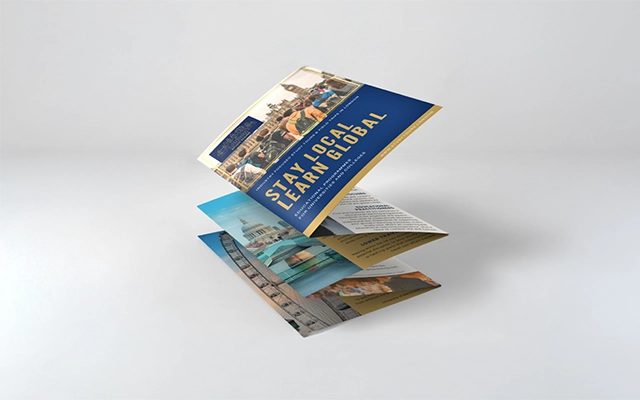
Even the perfect leaflet volume cannot compensate for unclear messaging or weak design.
For design guidance, your readers may also find How to Design a Leaflet That Works helpful.
Tracking ensures you understand which areas and audiences respond, allowing future leaflet quantities to be refined with evidence.
These examples highlight how campaign goals and local density influence the numbers.
Determining the right number of leaflets is not a guessing game. By basing your decision on accurate household data, campaign goals and targeted demographics, you can run more efficient and more effective campaigns. Combine thoughtful planning with strong design, consistent messaging and solid tracking to ensure every leaflet contributes to meaningful results.
If you’re preparing a new leaflet campaign, now is the perfect time to define your target area, calculate your coverage and map out your distribution strategy. A well-planned leaflet drop can significantly increase your visibility and create lasting impact with local audiences.

Unit 4-10 Stanton Road Ind. Est.
Stanton Road
Southampton
Hampshire
United Kingdom
SO15 4HU