Legal documents are expected to last for decades, sometimes well beyond the lifespan of standard office materials. Contracts, deeds, wills, corporate records and other essential documents must remain legible and stable throughout their required retention period. If paper degrades or ink fades, organisations risk compliance issues, information loss, and disruption during audits or legal disputes.
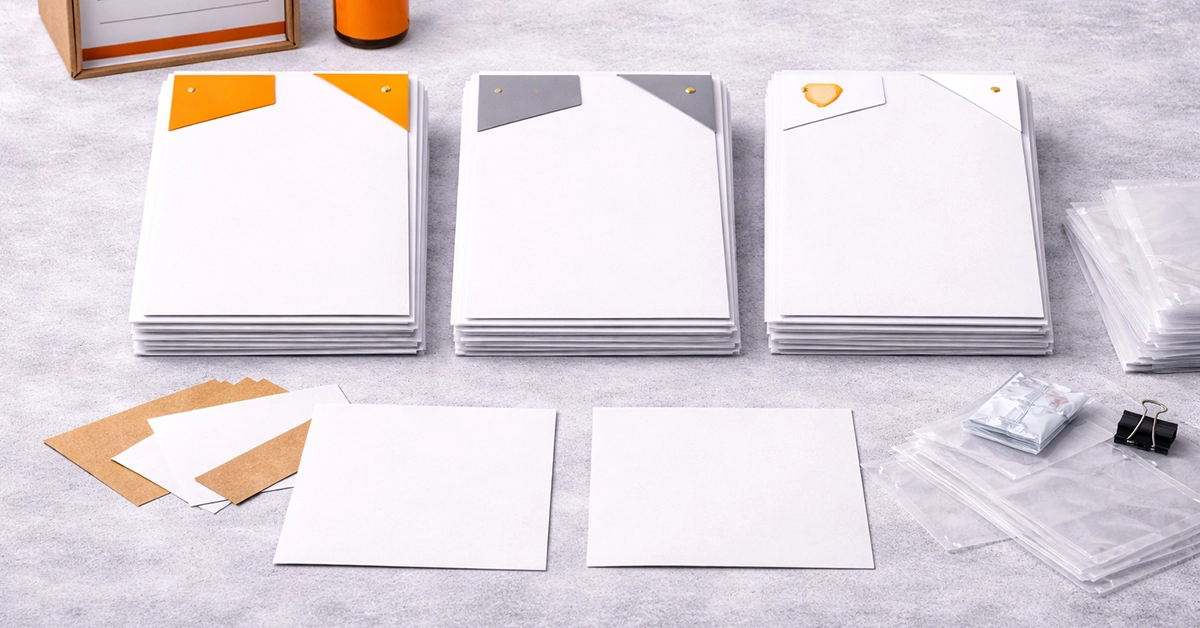
Choosing archival-safe print materials, such as printed legal corners, is one of the most reliable ways to protect long-term legal records. This refined guide explains what archival-safe means, how to identify the right materials, and how to support long-term preservation with the right storage and handling practices.
Many people assume that high-quality or acid-free paper is suitable for long-term legal storage, but this is not always the case. Genuine archival-safe materials are engineered to withstand decades of environmental stress without breaking down or losing clarity.
Archival-safe materials typically include:
These characteristics help ensure that printed legal documents retain their integrity well into the future.
For organisations creating or reviewing document retention strategies, guidance from recognised UK bodies such as The National Archives can provide useful context on handling and long-term preservation standards.
Legal documentation carries obligations that stretch far beyond the moment of signing. Many businesses follow strict retention policies, while public bodies must adhere to statutory frameworks such as the Public Records Act.
Using archival-safe materials offers several long-term benefits:
When documents may influence future legal decisions, quality and longevity are non-negotiable.


Understanding the components that define archival-safe materials allows buyers to make informed choices when producing legal records.
Archival-grade paper typically uses:
These features support both physical durability and text clarity.
The printing method is crucial when preparing long-lasting legal documents:
Choosing the right weight helps preserve structure and readability:
Selecting archival materials is only part of the preservation process. Proper storage and handling prevent unnecessary degradation.
Best practice includes:
These measures reduce environmental stress and physical wear.
| Category | Requirement | Purpose |
|---|---|---|
| Paper Composition | Acid-free, lignin-free, alkaline-buffered | Prevents chemical damage over time |
| Standards | ISO 9706 / ISO 11108 | Ensures permanence and archival suitability |
| Ink Type | Toner or pigment-based ink | Minimises fading and smudging |
| Paper Weight | 90–120 gsm | Improves document stability |
| Storage Materials | Acid-free folders, archival boxes, polypropylene sleeves | Prevents contamination and distortion |
| Environment | 16–20°C, 35–55% humidity | Protects against fluctuations that weaken paper |
A few common missteps can quickly compromise otherwise secure records. These include:
Avoiding these issues supports compliance and reduces future risk.

Before printing long-term documents, verify that:
This checklist helps ensure consistency across all stages of document preparation.
Archival-grade supplies may cost more upfront than standard materials, but their long-term value is significant. Using durable paper and storage solutions reduces the risk of document failure, prevents costly reprints, and supports compliance during audits and legal reviews.
For organisations responsible for critical or long-retention records, archival-safe materials represent a sound, risk-aware investment.
UK organisations often follow structured retention guidelines, especially in sectors such as healthcare, government and regulated industries. Using archival-safe materials supports:
Archival-safe practices also complement digital preservation strategies, creating a reliable hybrid records-management approach.
Building an internal workflow improves consistency, reduces errors and supports long-term document integrity.
Recommended steps include:
A well-structured approach ensures long-term legal documentation remains clear and accessible whenever it is needed.
Archival-safe print materials are essential for protecting legal documents that may be required years or even decades from now. By choosing the right paper, inks, storage methods and workflows, organisations can safeguard the accuracy and longevity of their records.
If you’re looking to strengthen your long-term document management strategy, consider reviewing your current materials and updating your processes. Improving these foundations today helps protect the integrity of your legal documentation far into the future.

Unit 4-10 Stanton Road Ind. Est.
Stanton Road
Southampton
Hampshire
United Kingdom
SO15 4HU