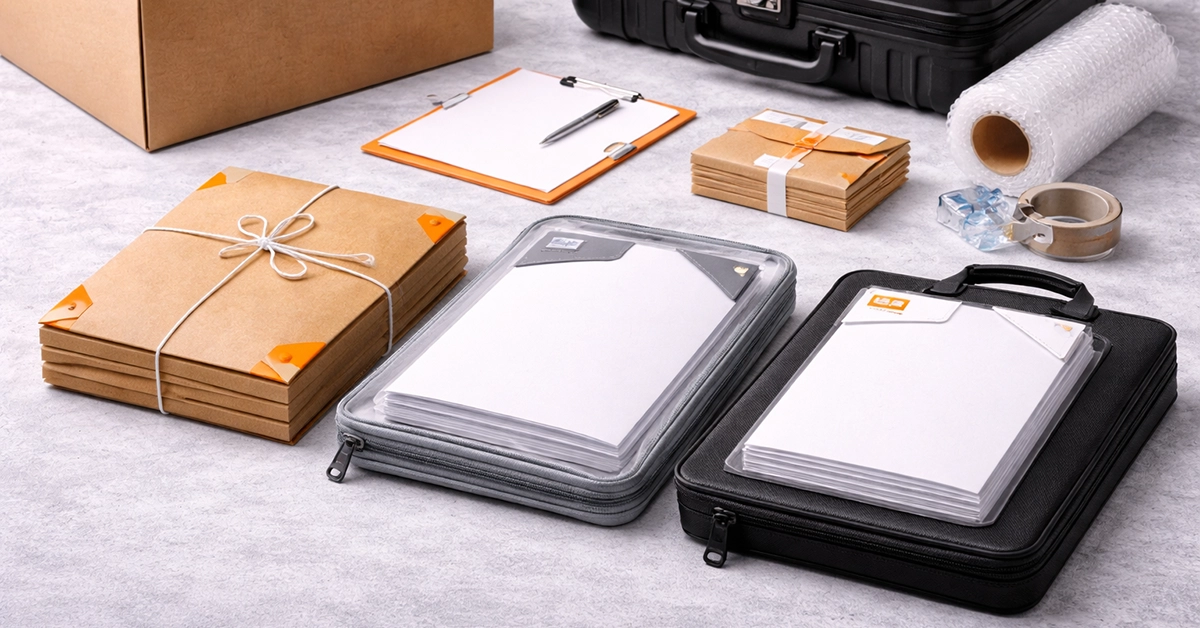
Storing and transporting legal bundles correctly is essential for protecting confidential information, supporting court compliance, and avoiding unnecessary delays. Whether you work in litigation, family law, criminal defence, or corporate legal services, your handling methods must prevent loss, damage, and unauthorised access. This guide sets out clear, practical steps to help you store, transport, and protect legal bundles safely, with a focus on best practices such as legal corner printing, ensuring they remain secure and court-ready at all times.
Legal bundles contain sensitive personal data, case evidence, and privileged information. Incorrect handling risks breaches of the Data Protection Act 2018, UK GDPR, and court procedural rules, all of which require high standards of document protection.
Common issues arising from poor bundle management include:
The Information Commissioner’s Office (ICO) continues to report that lost paperwork is one of the most frequent causes of data breaches in the UK. This highlights the need for strong protective measures and robust internal processes.
When handling legal bundles, you must comply with data protection legislation as well as civil, family, and criminal procedure rules.
Keeping bundles compliant supports smooth case progression and reinforces professional credibility.


Effective document storage ensures bundles remain intact and accessible while also reducing the risk of unauthorised access.
Storage guidelines include:
Selecting the right protective products is key to preventing physical damage during storage or transport.
Recommended protective solutions include:
These tools reduce the likelihood of page loss, water damage, or structural failure.
| Task | Recommended Method | Compliance Notes |
|---|---|---|
| Short-term storage | Locked cabinet, labelled wallets | Maintain confidentiality at all times |
| Long-term archiving | Acid-free boxes, climate-stable rooms | Follow retention requirements |
| Internal transport | Rigid wallet or secure folder | Prevent page slippage |
| External transport | Waterproof case or document bag | Protect from weather and damage |
| GDPR-safe handling | Avoid exposing personal data on labels | UK GDPR compliance |
| Pre-court checks | Confirm pagination, include spare index | Avoid hearing delays |
Transporting legal bundles is one of the highest-risk stages, where loss or damage is most likely to occur. Even short journeys expose documents to environmental hazards and public settings.
Transport methods to improve safety include:
Delays often occur when bundles arrive damaged or incomplete, so preventative steps are critical.

Maintaining confidentiality is a core obligation under UK GDPR. Paper documents are particularly vulnerable while being moved between locations.
Ways to minimise risk include:
These actions significantly reduce the likelihood of accidental disclosure or loss.
A court-ready bundle must be organised, complete, and easy for the judge and all parties to navigate.
Before leaving for court, ensure that:
A short pre-departure checklist helps reduce last-minute errors and supports smooth hearings.
Once a matter is settled or a hearing is complete, proper archiving ensures long-term compliance and efficient document management.
Archiving practices include:
Good archiving practice protects your organisation and helps maintain a reliable audit trail.
Avoid these issues to keep bundles court-ready and compliant:
Improving these habits reduces errors and protects vital case materials.
Secure, consistent document handling is essential for safeguarding client information, preventing disruption in hearings, and meeting UK compliance standards. By implementing structured storage methods, selecting strong protective materials, and applying safe transport practices, you create a reliable system that protects the integrity of every legal bundle.
If you want support improving your document-handling procedures or need guidance on secure printed stationery and bundle preparation methods, reach out today to discuss options tailored to your workflow.

Unit 4-10 Stanton Road Ind. Est.
Stanton Road
Southampton
Hampshire
United Kingdom
SO15 4HU