Sustainability is now a defining priority across the UK print and marketing landscape. Scratch-off promotions remain highly engaging, but the traditional materials used to create them, such as metallic foils and solvent-based coatings, have raised understandable environmental concerns. Fortunately, modern print technology offers eco-friendly alternatives that maintain impact while supporting responsible production.
This article explores the most effective sustainable scratch card printing options available today. It covers substrates, inks, coatings, recyclability, and production methods to help businesses create greener, more efficient promotional campaigns that align with long-term environmental commitments.
The shift towards sustainable marketing is driven by consumer expectations, brand values, and national environmental targets. The UK’s commitment to achieving Net Zero by 2050 has encouraged companies to reassess the environmental impact of their printed materials.
Traditional scratch-off formats can be difficult to recycle and often generate unnecessary waste. Switching to eco-friendly alternatives supports:
According to WRAP, paper and cardboard achieve recycling rates of 70 to 80 percent in the UK. Choosing materials that fit cleanly into this recycling stream ensures better end-of-life outcomes for your printed campaigns.
Choosing a sustainable substrate significantly improves the environmental performance of any printed promotion. It also reinforces brand credibility and supports recyclability.
FSC-certified substrates ensure responsible sourcing and traceability throughout the supply chain. These boards provide dependable print quality and are widely used across environmentally driven campaigns.
Recycled board made from post-consumer waste offers an impactful, circular solution. Research from the European Paper Recycling Council shows that recycled fibre production uses up to 70 percent less energy than virgin fibre, making it a low-impact alternative.
These substrates are simpler to recycle and avoid the complex chemical processes required for heavier coatings. They also create natural, tactile finishes that suit many promotional styles.
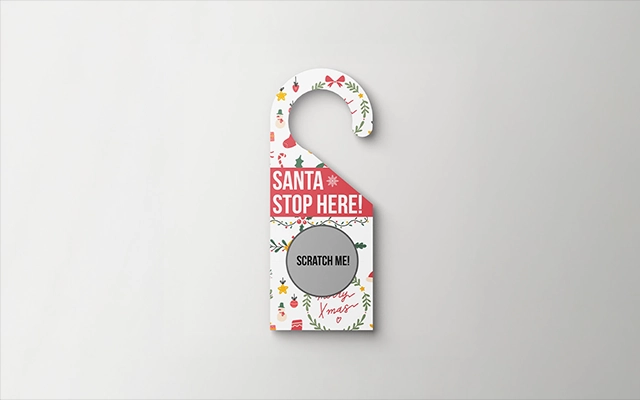
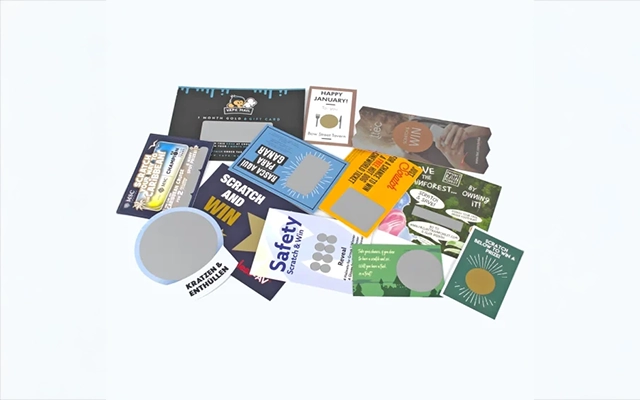
Water-based scratch-off coatings are transforming how brands approach scratch-off production. They offer excellent performance while reducing the environmental footprint associated with traditional solvent-based options.
Key benefits include:
Non-metallic coatings can also replicate the typical scratch-off effect without introducing materials that hinder recyclability.
For authoritative information, organisations such as the British Coatings Federation provide insight into safe, low-VOC coating technologies.
Ink choice directly influences recyclability and overall sustainability.
Soy and vegetable-based inks are particularly attractive because they reduce VOC emissions and support more efficient de-inking during recycling. The Environmental Paper Network highlights these inks as a preferred option for environmentally responsible print processes.
Low-VOC inks also contribute to safer production environments and cleaner waste streams.
| Component Type | Eco-Friendly Option | Main Benefits | Notes |
|---|---|---|---|
| Substrate | FSC-certified card | Sustainably sourced, widely recyclable | Supports responsible forestry |
| Substrate | Recycled card | Lower energy use, reduced waste | Up to 100 percent post-consumer fibre |
| Coating | Water-based scratch-off latex | Low VOC, recyclable, safer production | Replaces solvent-based coatings |
| Ink | Soy or vegetable-based inks | Easier to de-ink, lower VOC | Supports cleaner recycling streams |
| Finishing | Minimal coatings | Improved recyclability | Reduces chemical processing |
| Production | Digital printing | Less waste, efficient setup | Ideal for shorter runs |
Material selection is only part of building a sustainable campaign. Design decisions also influence whether products can be recycled after use.
To improve recyclability:
Small changes to design can significantly reduce environmental impact while preserving campaign effectiveness.

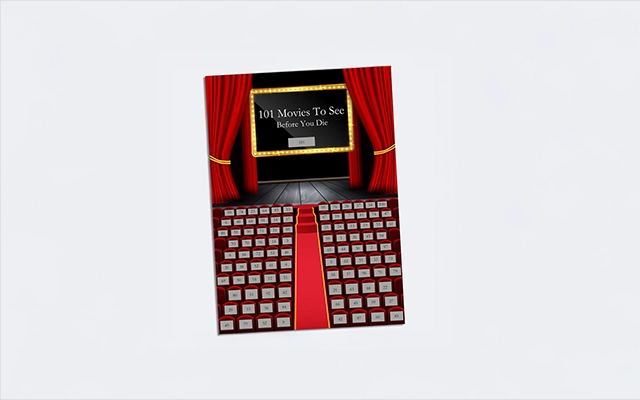
Print production processes contribute considerably to a campaign’s carbon footprint. By adopting efficient, low-waste workflows, brands can reduce their environmental impact without compromising quality.
Effective strategies include:
Eco-friendly scratch-off printing is gaining traction across multiple UK sectors. Examples include:
These applications demonstrate the versatility and wide appeal of eco-conscious scratch-off formats.
This checklist provides a practical framework for campaign planning and supports better environmental outcomes at every stage.
Eco-friendly scratch-off printing allows businesses to run engaging, memorable campaigns while supporting broader environmental goals. By combining responsible materials, efficient production methods, and recyclable designs, brands can reduce waste, support sustainability commitments, and create promotions that resonate with today’s eco-aware audiences.
If you are planning a scratch-off project and want to explore sustainable materials or low-impact production methods, now is the ideal time to reassess your options. Get in touch to discuss eco-friendly scratch-off solutions that align with your brand’s sustainability goals and campaign requirements.

Unit 4-10 Stanton Road Ind. Est.
Stanton Road
Southampton
Hampshire
United Kingdom
SO15 4HU