Scratch-off panels play an important role in UK promotions, loyalty schemes, secure-data products and branded marketing campaigns. Their ability to hide and reveal information through a simple, interactive action makes them effective for engaging customers and protecting sensitive content. Whether you are producing discount vouchers, membership cards, digital activation codes or promotional inserts, selecting the right scratch-off printing format is essential.
This guide explains the key materials, scratch-off coating types, durability differences and practical uses to help you choose the most suitable option for your next project.
Scratch-off panels rely on several engineered layers working together to protect the information beneath. A complete scratch-off component typically includes:
The quality of these layers affects not only appearance but also durability, tamper resistance and user experience. Professional scratch-off printing ensures the coating removes smoothly without damaging the card or revealing partial information.
Your choice of substrate determines how long the scratch-off product lasts, how it handles wear, and how it feels in the user’s hand.
Coated cardstock is widely used because it offers a smooth print surface and works well with screen-printed latex coatings.
Advantages:
Limitations:
Paper is a strong choice for competitions, coupons, giveaways and limited-time marketing campaigns.
PVC cards provide a premium, durable foundation. They maintain structural integrity even after repeated handling and resist moisture, abrasion and wear.
Best for:
PVC is the preferred material when durability and tamper resistance are priorities.
Hybrid materials combine paper with a laminate or thin plastic film. This creates an affordable option with improved durability without the full cost of PVC.
Benefits include:
These cards suit mid-range branded campaigns needing improved toughness.
Different coating types offer different levels of flexibility, security and creative potential.
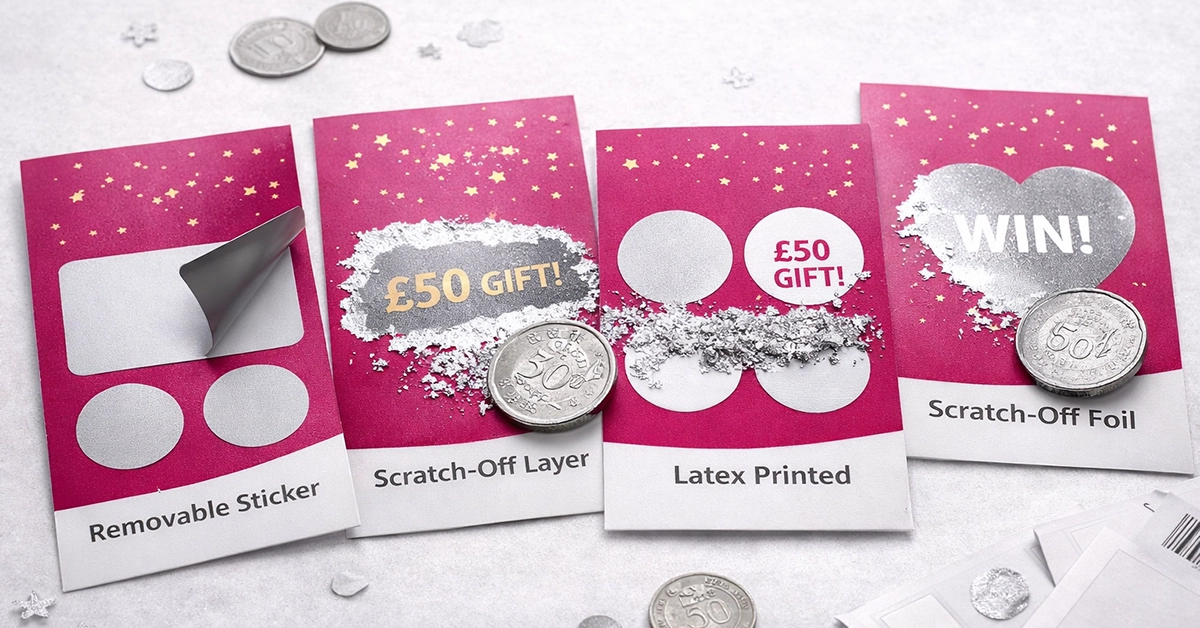
Latex is the traditional method used in professional scratch-off production. It is:
Because of its opacity and adhesion quality, latex offers reliable protection for concealed information.
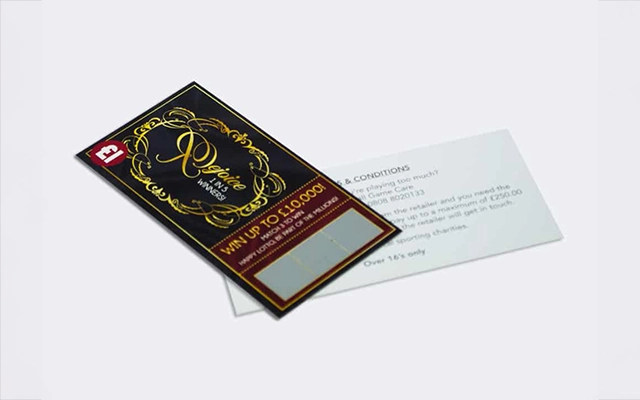
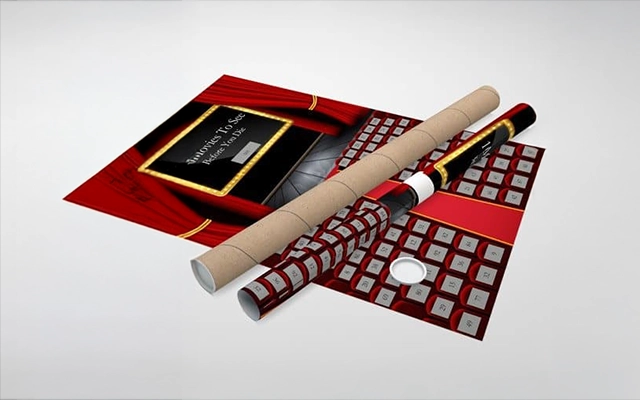
Scratch labels allow you to apply scratch-off areas manually, making them practical for:
Although they offer flexibility, labels do not provide the same level of tamper resistance as screen-printed latex coatings.
To support branding, coatings can be produced in:
These finishes can help create a premium appearance or match campaign artwork.
Use this table as a quick way to assess which option aligns with your campaign needs.
| Material Type | Durability | Moisture Resistance | Security Level | Typical Uses | Cost Level |
|---|---|---|---|---|---|
| Paper | Low–moderate | Low | Moderate | Coupons, competitions, short-term promotions | £ |
| PVC | High | High | High | Membership cards, secure code products, loyalty schemes | £££ |
| Hybrid | Moderate–high | Moderate | Moderate–high | Branded campaigns, events, mid-term promotions | ££ |
| Scratch Labels | Variable | Low–moderate | Lower than integrated coatings | Packaging, invitations, bespoke small runs | £–££ |
Scratch-off panels are widely used to protect sensitive information such as PINs, voucher codes or prize reveals. To maintain security, a high-quality scratch-off panel should:
PVC and high-grade latex coatings are recommended for any application where fraud prevention or secure data-handling is essential.
Each format has a clear place depending on usage, budget and handling expectations.
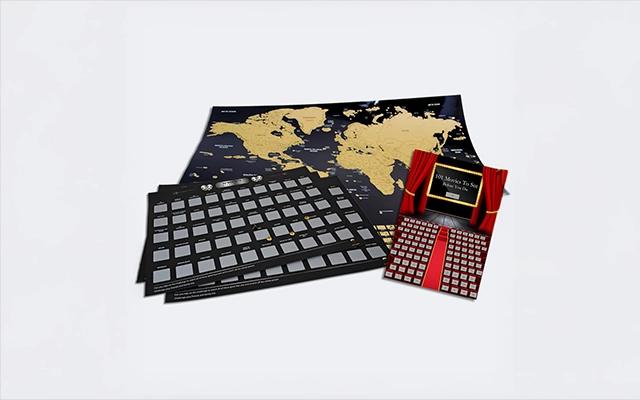
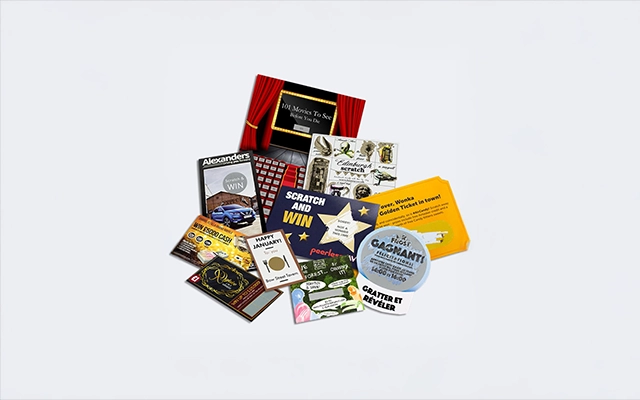
Environmental awareness continues to grow across UK printing and marketing. While paper substrates offer the most environmentally friendly foundation, coatings and laminates influence recyclability.
Key points:
When sustainability is a priority, paper-based products with low-impact coatings are typically the most responsible choice.
Use the following considerations to align your material choice with campaign goals:
Making the correct choice ensures both user satisfaction and campaign impact.
Scratch-off panels combine interactivity, security and practical usability across a wide range of marketing and operational applications. By understanding the differences between paper, PVC, hybrid materials and scratch labels, you can confidently choose the format that aligns with your project’s durability, cost, security and sustainability needs.
Whether you are launching a promotion, developing a loyalty product or designing a secure-card system, selecting the right scratch-off material will help your campaign perform as intended.
If you’re planning a scratch-off campaign and want guidance on materials, coatings or production methods, now is the ideal moment to take action. Reach out for expert support and develop a scratch-off solution that offers durability, clarity and a memorable user experience.

Unit 4-10 Stanton Road Ind. Est.
Stanton Road
Southampton
Hampshire
United Kingdom
SO15 4HU