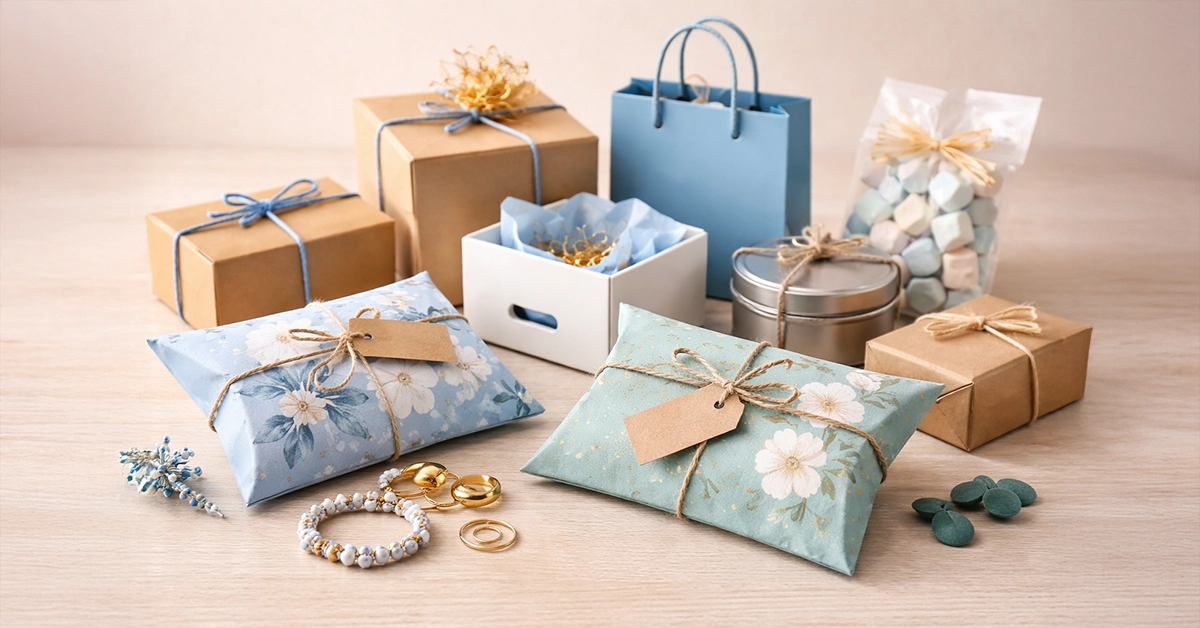
Printed pillow boxes have become a favourite among UK brands looking for packaging that combines practicality with strong visual impact. From cosmetics to handmade goods and corporate gifting, pillow boxes offer a versatile solution for presenting and protecting small products. But how do they compare to other common packaging formats? This guide explores the strengths and limitations of pillow boxes, helping you decide whether they are the right choice for your brand.
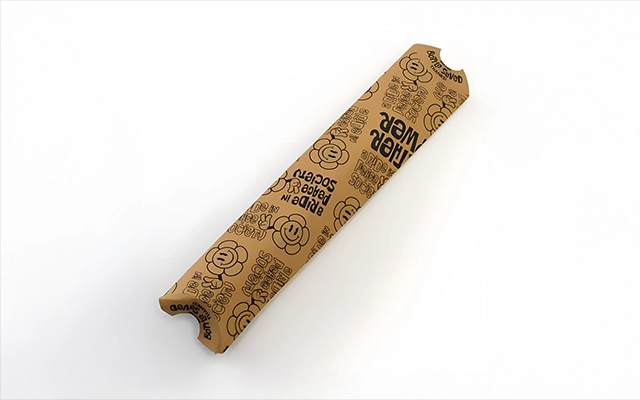
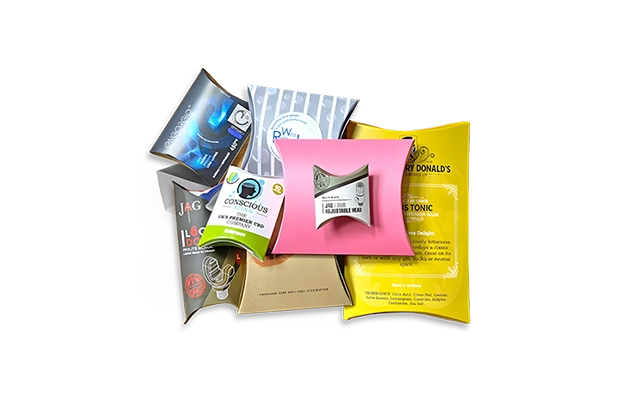
Printed pillow boxes are curved, folding cartons made from materials such as Kraft board, coated card or premium textured stocks. Their distinctive shape makes them particularly suitable for gifting, retail presentation and special event packaging.
Common uses include:
Because they store flat and assemble quickly, pillow boxes support efficient fulfilment. They also align well with sustainability goals, as most are fully recyclable.
Businesses weighing up packaging options often need to balance protection, cost, postal efficiency and branding. Pillow boxes compete with folding cartons, rigid boxes, pouches, fabric bags and envelopes because each format offers a different level of structure and presentation.
Decision factors typically include:
This comparison helps brands choose packaging that meets both logistical needs and marketing aims.
Standard folding cartons remain a strong choice for heavier products or items that require more structural protection.
If your products require extra reinforcement, a carton may be the better fit. If presentation and speed matter most, pillow boxes are an efficient alternative.
Rigid gift boxes offer a premium structure and are often used for luxury items.
Rigid boxes are ideal for flagship items, while pillow boxes offer an attractive, practical option for everyday gifting or retail packaging.
Pouches suit flat or flexible products but are limited when presentation needs to feel more special.
For brands wanting gift-ready packaging rather than purely functional packaging, pillow boxes provide a clear advantage.
Fabric bags add a tactile, reusable quality but offer little protection.
Event planners often use pillow boxes for favours because they combine durability, custom print options and ease of assembly.
Envelopes remain a low-cost solution for flat items, but their uses are limited.
Some brands package pillow boxes inside a larger mailer for extra protection during delivery while maintaining a premium unboxing moment.
| Packaging Type | Protection Level | Assembly Speed | Branding Space | Sustainability | Cost | Storage Efficiency | Perceived Value |
|---|---|---|---|---|---|---|---|
| Pillow Boxes | Medium | Fast | Large print area | Widely recyclable | Low to medium | Excellent (flat packed) | High |
| Folding Cartons | Medium to high | Moderate | Good | Recyclable | Medium | Good | Medium |
| Rigid Boxes | High | Slow | Excellent | Varies | High | Poor | Very high |
| Pouches/Sachets | Low | Fast | Limited | Recyclable depending on material | Low | Excellent | Low |
| Fabric Bags | Very low | Fast | Very limited | Reusable | Medium | Excellent | Medium |
| Envelopes/Mailers | Low | Very fast | Very limited | Recyclable (paper types) | Very low | Excellent | Low |
This table highlights where pillow boxes sit among competing packaging types, demonstrating their practicality and visual impact.
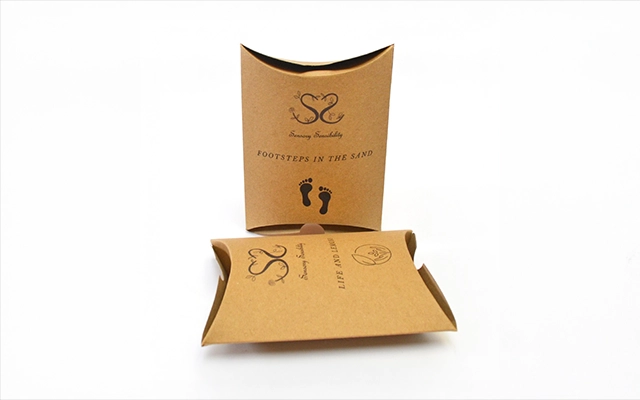
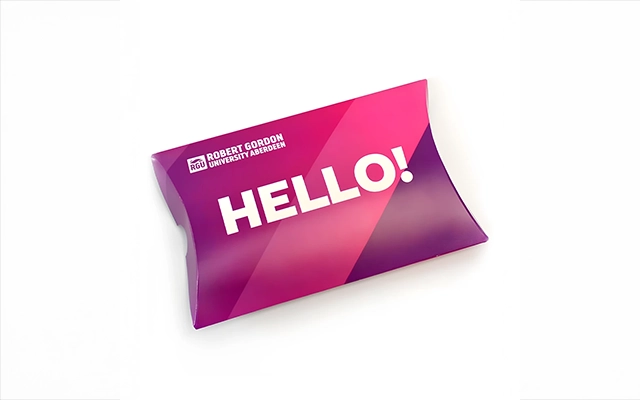
Ideal for compact sets, soaps, melts and trial kits. Their curved shape adds aesthetic value, which supports impulse purchasing in retail settings.
Perfect for earrings, bracelets and fashion accessories that do not require rigid protection.
Used frequently for confectionery and handmade treats. They offer gift appeal without adding unnecessary weight.
Preferred for branded giveaways, event favours and promotional handouts due to their easy customisation and professional finish.
Choose pillow boxes if:
Pillow boxes offer a balance between practical functionality and aesthetic appeal, making them a reliable option for many UK retailers.
Select an alternative packaging type if:
Matching packaging to product weight and customer expectations helps maintain brand consistency and reduce waste.
Printed pillow boxes offer an effective combination of versatility, cost efficiency and strong brand presentation. They work well across retail, gifting, cosmetics and event sectors, providing an adaptable solution for a variety of small goods. When compared with cartons, rigid boxes, pouches, bags and envelopes, pillow boxes stand out as a balanced and sustainable choice.
If you are exploring printed pillow boxes for an upcoming project or want guidance on materials, finishes or sizes, now is the ideal time to consider your options. Take a look at our pillow packs printing options or speak to your production team to find the format that works best for your products.

Unit 4-10 Stanton Road Ind. Est.
Stanton Road
Southampton
Hampshire
United Kingdom
SO15 4HU