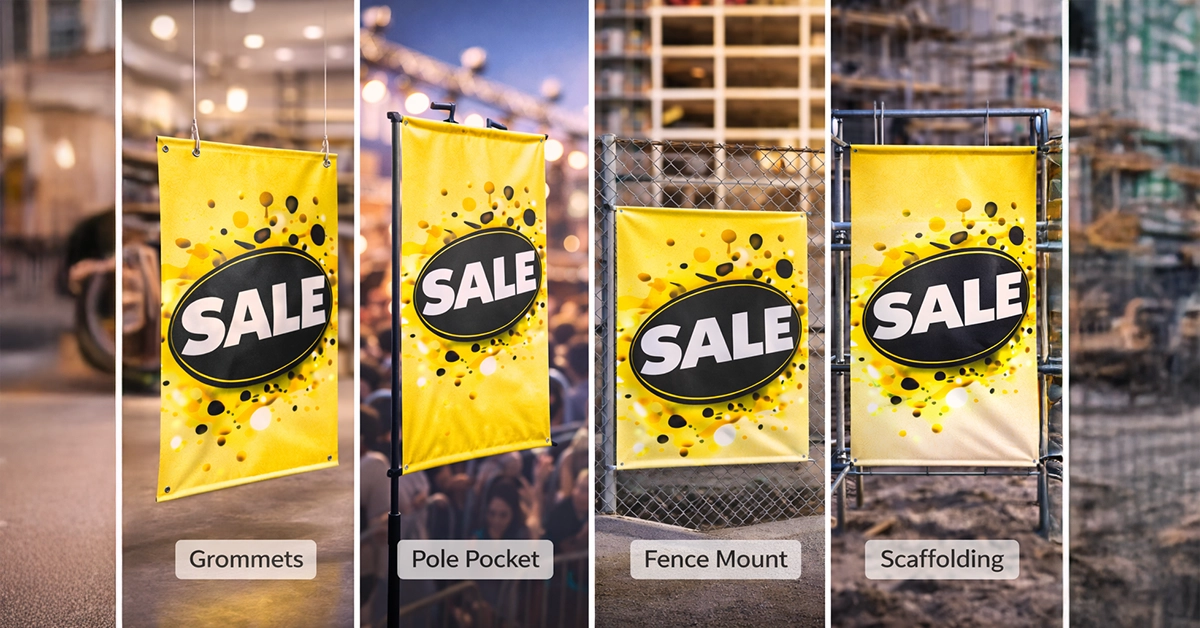
Installing a printed banner correctly is essential for keeping your message clear, visible and secure. Whether you are promoting a retail offer, directing visitors at an event or branding a construction site, the installation method you choose will directly affect durability, safety and overall impact. This guide outlines the most reliable installation methods for different environments, the tools that support a safe setup and the conditions you need to consider in the UK.
For businesses planning printed banners or large format signage, understanding these methods will help you get the best performance from your display.
Different banner types perform differently once installed, especially when exposed to wind, moisture or movement. Selecting the right installation method depends on both the material and the environment.
Common banner formats include:
Matching the installation to the banner type helps ensure a professional finish and reduces the risk of tearing or distortion.
Retail environments require banners that look tidy, stay securely fixed and allow for easy updates when campaigns change.
Wall mounting creates a clean, long-lasting display. Screws, wall plugs and washers help secure the banner evenly across a surface, preventing sagging and ensuring tight tension.
Ceiling suspension using hooks, wires or aluminium rails is common in larger stores. This method keeps floors clear while ensuring messaging is visible from multiple angles.
For glass environments where drilling is not an option, suction cups, tension rods or specialist adhesives allow banners to sit flush within a window display without damaging surfaces.
Together, these options support consistent retail branding across entrances, aisles and promotional zones.
Events typically require banners that are strong, easy to position and quick to assemble or remove.
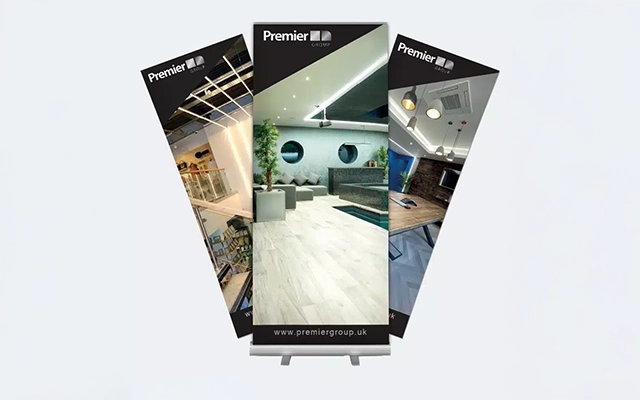
Freestanding frames allow placement anywhere on a venue floor. Weighted bases add stability in busy areas, making them ideal for exhibitions, pop-up spaces and queue systems.
Cable ties, zip ties and bungee cords offer quick installation on fences or railings. Bungee cords are particularly effective outdoors because they allow controlled movement in windy conditions.
Indoor venues may use truss systems or tension cables for hanging banners above walkways. This method maximises visibility without obstructing footfall.
Each installation approach supports smooth event operations while maintaining professional presentation.
Construction sites require strong, weather-ready installation methods that support safety and withstand long-term exposure.
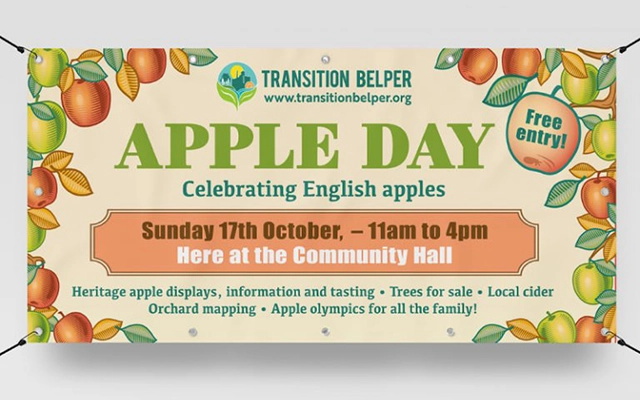
Most scaffold banners use reinforced hems and multiple eyelets, linked with elastic bungees for secure tension. Mesh materials are recommended for exposed sites to reduce wind load.
Hoardings can hold long-term printed graphics fixed directly with screws, rivets or adhesives depending on the panel material. This method is ideal for branding large perimeter areas.
Perimeter fencing requires multi-point fixing along every edge. Using all eyelets reduces strain and prevents premature tearing in windy conditions.
Correct installation helps construction banners stay intact despite changing site conditions.
| Banner Type | Suitable Environments | Recommended Fixings | Notes |
|---|---|---|---|
| PVC Banner | Retail, Events, Construction | Screws, bungees, zip ties, freestanding frames | Durable and versatile; requires even tension |
| Mesh Banner | Outdoor, high-wind areas | Bungees, cable ties, scaffold fixings | Airflow reduces wind strain |
| Fabric Banner | Indoor retail and events | Ceiling hooks, rails, portable frames | Lightweight; not suitable for wet or windy conditions |
| Scaffold Banner | Construction | Reinforced eyelets, elastic bungees | Built for height and exposure |
| Freestanding Banner | Events, retail promotions | Banner stand or metal frame | No drilling required; easy to transport |
Ensuring a safe, secure installation requires the right equipment. Common items include:
Using appropriate hardware prevents damage and keeps banners stable for their full intended duration.
Outdoor banners in the UK must withstand unpredictable weather. Considerations include:
Accounting for environmental conditions ensures your banner remains visually consistent and safe to display.
Banner installations must follow UK safety standards, particularly in public spaces or active work sites.
Key points include:
Responsible installation protects both the public and site personnel and helps prevent costly downtime.
Avoiding common errors helps banners perform better for longer. Issues to watch for include:
Preventing these mistakes reduces maintenance costs and enhances visual consistency.
Choosing the right method depends on both purpose and environment.
The right approach ensures the banner remains stable, safe and visually strong throughout its display period.
A correctly installed banner can improve visibility, withstand challenging conditions and reinforce brand messaging across retail, event and construction environments. By pairing the right banner type with an appropriate installation method and suitable tools, you set the foundation for a reliable, long-lasting display.
If you are preparing to print or install new banners, this is the ideal time to review your fixing methods and ensure your display is set up for success. For further guidance on artwork preparation or large-format printing options, explore additional resources across your brand’s print and signage support pages.

Unit 4-10 Stanton Road Ind. Est.
Stanton Road
Southampton
Hampshire
United Kingdom
SO15 4HU