Bottleneck hangers are one of the most effective on-shelf marketing tools for UK brands. Whether you are promoting a new spirit, a seasonal wine, a limited-edition beer, or an FMCG item such as sauces or oils, a well-designed hanger can draw attention at the exact point where shoppers make their decisions.
Selecting the right size and shape is essential. A hanger that is too large disrupts shelf spacing, while one that is too small limits your message. This guide explores the most effective dimensions and shapes for wine, spirits, beer, and FMCG bottleneck hangers, backed by industry insight and practical retail considerations.
The design of a bottleneck hanger directly affects:
• Product visibility and standout
• Readability of promotional messaging
• Ease of fulfilment
• Durability during transport and handling
• Compatibility with different bottle neck widths
Shoppers often make quick decisions in-store, and small-format POS can support product recognition, reinforce brand values, and drive promotional engagement. Effective hangers help brands communicate awards, tasting notes, recipe ideas, or sustainability claims with clarity.
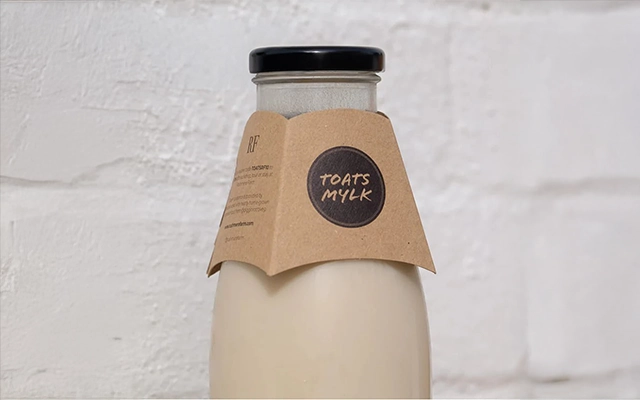
There is no universal standard size, but UK bottles tend to follow consistent formats. Choosing an appropriate hanger dimension ensures it sits securely without slipping, tearing, or covering important brand information.
Wine bottles typically have neck diameters of 30–32 mm, offering a larger surface area for promotional content.
Popular hanger sizes include:
• 60 x 170 mm
• 70 x 180 mm
• 75 x 200 mm
Typical neck hole diameter: 32–38 mm
These provide ample room for branding, awards, QR codes, tasting notes, or seasonal messaging.
Spirit bottles often use thicker glass and slightly wider necks, especially gin, whisky, vodka, and rum.
Common dimensions:
• 65 x 180 mm
• 75 x 190 mm
• 80 x 200 mm
Neck hole: 34–40 mm
The larger print area is ideal for cocktail suggestions or detailed product stories.
Beer bottles have slimmer, shorter necks, so hangers must be compact to avoid obstructing the main label.
Typical sizes:
• 50 x 140 mm
• 60 x 150 mm
• 65 x 160 mm
Neck hole: 26–30 mm
These formats work well for competitions, QR code promotions, collaborations, and limited-edition runs.
FMCG products vary significantly in bottle shape and material. To ensure compatibility, hangers should be customised to the packaging.
Common ranges:
• 50–80 mm wide
• 120–200 mm tall
• Neck holes between 20–45 mm
These dimensions support recipes, usage tips, sustainability statements, or brand storytelling.
| Product Type | Typical Hanger Size (mm) | Neck Hole (mm) | Notes |
|---|---|---|---|
| Wine | 60 x 170, 70 x 180, 75 x 200 | 32–38 | Suitable for awards, tasting notes, QR codes |
| Spirits | 65 x 180, 75 x 190, 80 x 200 | 34–40 | Ideal for cocktail recipes and premium branding |
| Beer | 50 x 140, 60 x 150, 65 x 160 | 26–30 | Great for competitions and limited editions |
| FMCG | 50–80 wide x 120–200 tall | 20–45 | Works for recipes, sustainability claims, usage guides |
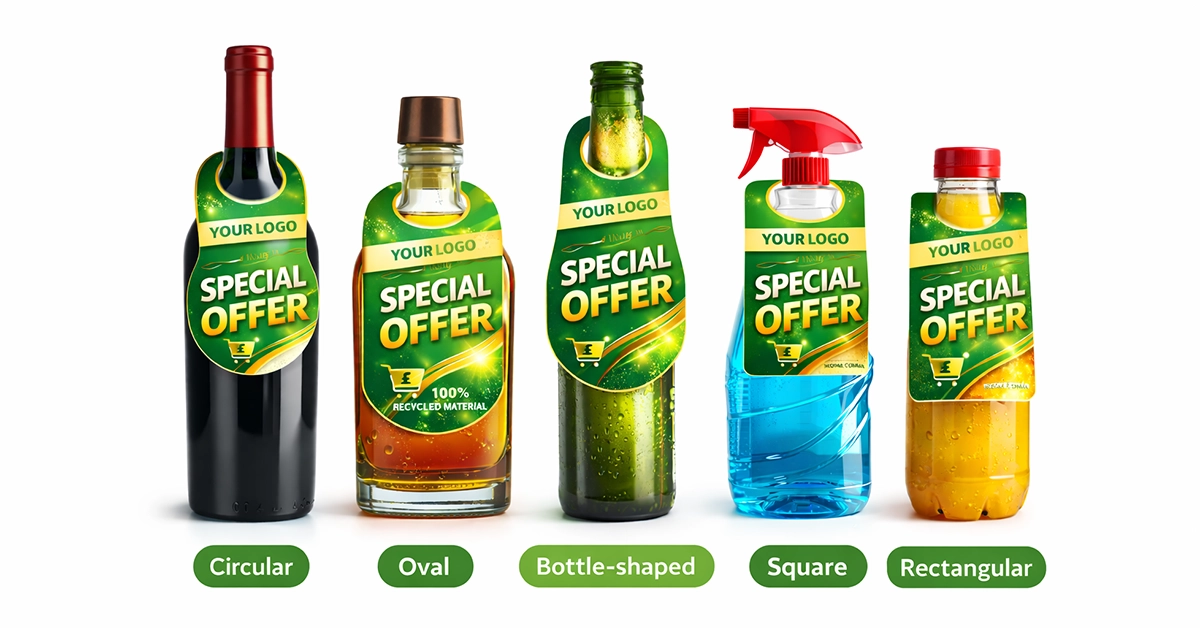
Once size has been determined, the shape plays an important role in visibility, practicality, and consumer appeal.
A simple, cost-effective option suitable for most retail promotions.
Key benefits:
• Easy to print and apply
• Durable and space-efficient
• Ideal for high-volume campaigns
With a circular or oval top and a straight lower panel, this shape offers stronger visual impact without significantly increasing production complexity.
Common uses:
• Spirits
• Premium wines
• Seasonal campaigns
The rounded top naturally attracts attention.
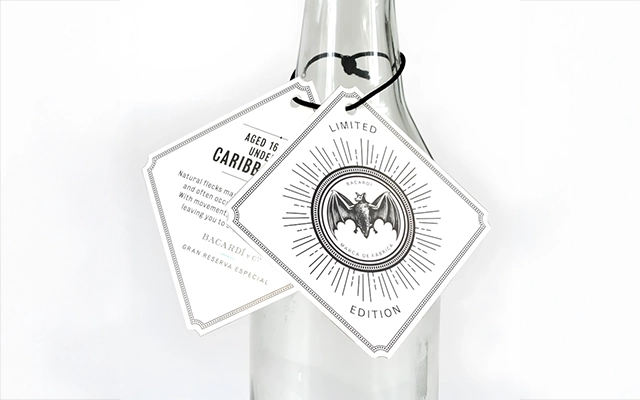
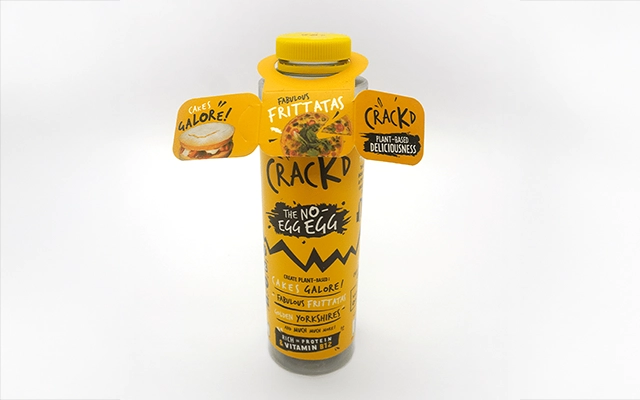
A softer, more elegant design frequently used in the wine sector.
Advantages:
• Reduced snagging during packing
• Distinctive, premium feel
• Ideal for storytelling or award displays
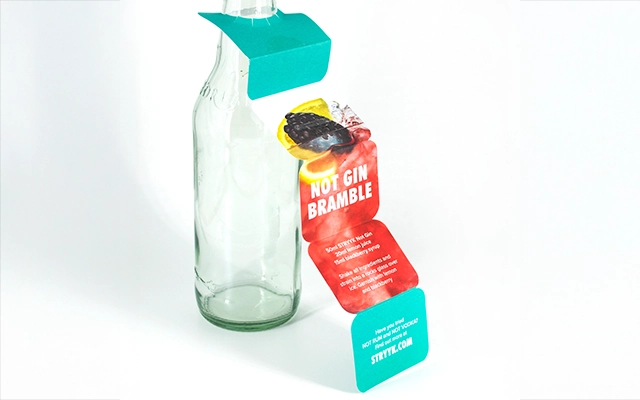
When additional space is required, folded hangers provide an effective solution.
They are ideal for:
• Cocktail or recipe inspiration
• Multi-language messaging
• Sustainability or sourcing information
• Step-by-step usage content
Compact on the shelf yet information-rich when opened.
For creative campaigns, bespoke shapes can reinforce brand identity or seasonal themes.
Examples include:
• Ingredient silhouettes
• Fruit or botanical outlines
• Holiday or event-specific shapes
• Iconic brand motifs
These attract attention immediately, though they require more advanced die-cutting.
A bottleneck hanger must look good and remain functional throughout transport, packing, and in-store handling.
Recommended board weights:
• Wine and spirits: 300–400 gsm
• Beer: 250–300 gsm
• FMCG: 250–350 gsm
Sustainable choices include:
• FSC-certified materials
• Recycled stock options
• Plastic-free coatings
• Vegetable-based inks
Finishes such as gloss or matt lamination, foiling, embossing, and Spot UV can be used to support brand positioning.
To select the most effective hanger for your product, consider:
• Bottle neck width and shape
• Amount of content required
• Shelf spacing and planogram constraints
• Likely handling during transport
• Fulfilment and packing processes
• Sustainability objectives
With the right combination of size, shape, materials, and design, a bottleneck hanger becomes a powerful retail communication tool.
If you are developing a retail campaign, product launch, or in-store promotion, a professionally designed bottleneck hanger can help your message stand out at the point of purchase. Speak with a specialist who understands UK retail requirements, print production, and bottle formats to ensure your hanger is optimised for visibility and durability.
Ready to start planning your next bottleneck hanger? Take the next step today and turn your concept into a high-impact retail asset.

Unit 4-10 Stanton Road Ind. Est.
Stanton Road
Southampton
Hampshire
United Kingdom
SO15 4HU