• Free Delivery (UK Mainland)
  • Professional Design Services
  • 4.9 Google Review Rating
  • Friendly Team of Experts
  • Help & Support Guides

Complete Buyer’s Guide to POS Displays for Merchandising Teams

5–8 minutes

Point of sale displays are one of the most influential tools in UK retail merchandising. With most buying decisions made in-store, brands rely on effective POS displays, such as POS shelf wobblers, to capture shopper attention, showcase promotions, and drive product interaction. This guide gives merchandising teams everything they need to make informed decisions, from choosing the right display type to understanding materials, sustainability requirements, installation considerations, and performance measurement.

Whether you manage national retail activations or plan local store campaigns, this guide provides a clear, research-backed foundation for selecting POS that supports commercial goals.

Understanding POS Displays and Their Impact on Shopper Behaviour

POS displays are printed or structural marketing tools placed within retail spaces to promote products or highlight key messages. They shape shopper behaviour by interrupting the browsing journey, increasing visibility, and reinforcing brand presence at the moment of decision.

Strong POS displays achieve three essential outcomes:

  • Capture attention quickly
  • Convey a clear, compelling message
  • Help guide shoppers towards purchase

Studies consistently show that the physical retail environment influences a significant proportion of purchase decisions. Enhanced visibility through branded units, eye-level placement, and well-positioned displays helps shoppers notice products they may otherwise overlook.

POS is used across FMCG, health and beauty, electronics, DIY, homeware, and seasonal categories, with each sector benefiting from display types designed specifically for their retail formats.

Popular POS Display Types for Merchandising Teams

Choosing the right style of POS display ensures campaigns perform effectively across different retail settings.

Free Standing Display Units (FSDUs)

  • Ideal for new product launches and promotional storytelling
  • Highly visible in busy areas
  • Large branding surface
  • Easy to move and position

Counter Display Units (CDUs)

  • Placed at tills and service counters
  • Designed for impulse purchases
  • Suitable for small, fast-moving, or premium items

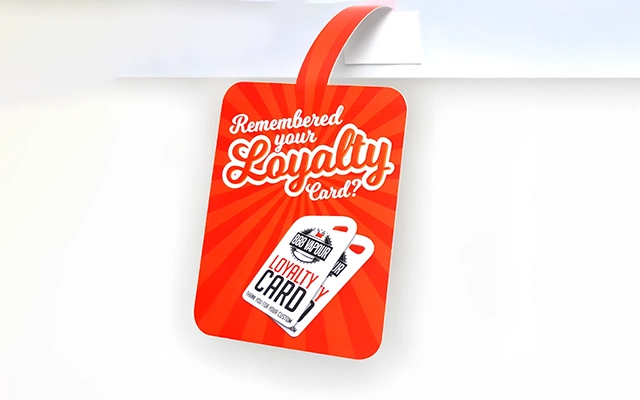
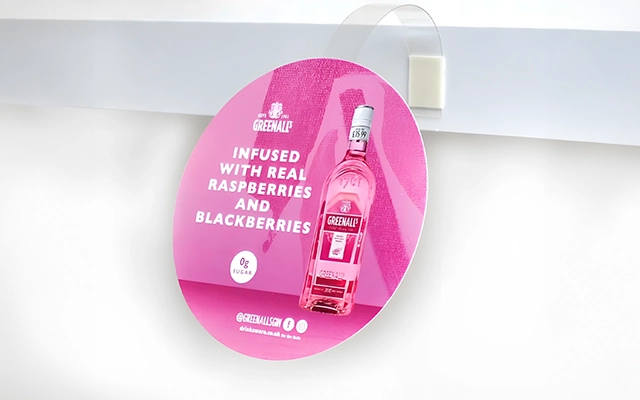
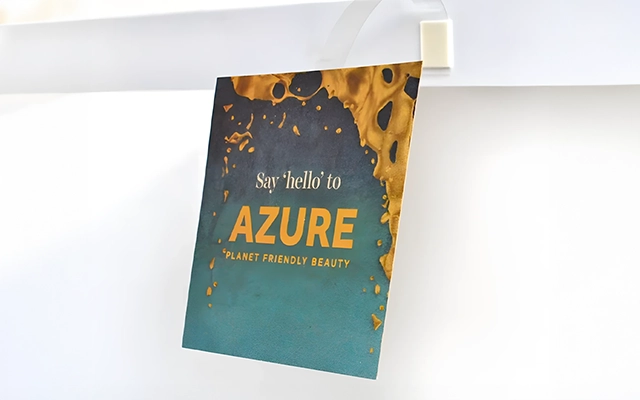
Shelf-Edge POS

Includes wobblers, shelf talkers, flags, and printed inserts:

  • Highlight promotions directly at the shelf
  • Require minimal space
  • Quick to install across multiple stores

Dump Bins / Floor Bins

  • Great for high-volume or seasonal products
  • Encourage quick, spontaneous selection
  • Work effectively in entrance areas and promotional aisles

Hanging Signs and Overhead Displays

  • Attract attention from a distance
  • Assist with navigation and category segmentation

Window POS and Large Format Graphics

  • Boost visibility for stores with strong footfall
  • Communicate campaign messages before the shopper enters the store

Each format supports different visibility and engagement objectives, making alignment with campaign goals essential.
Choosing the Right Materials for POS Displays

Material selection influences durability, sustainability, cost, and retailer acceptance.

Cardboard and Corrugated Board

  • Lightweight, cost-effective, and easy to recycle
  • Ideal for short-term promotions
  • UK recycling rates exceed 80 percent for cardboard, making it a preferred sustainable choice

Foamex and PVC

  • Strong and long-lasting
  • Suitable for semi-permanent campaigns or rigid signage
  • Provide excellent print clarity

Acrylic Displays

  • Offer a sleek, premium look
  • Common in beauty, technology, and high-end merchandising
  • Designed for longer in-store use

Metal or Wooden Units

  • Provide maximum strength and durability
  • Best for permanent installations or heavy stock loads

Eco-Friendly POS Materials

  • FSC-certified substrates
  • Recycled plastic alternatives
  • Low-emission inks and coatings
  • Materials designed for improved recyclability

Sustainability is increasingly important for UK retailers, making material choice a strategic decision for merchandising teams.

POS Display Types, Materials, and Best Uses

Take a look at the following table that explains the campaign use cases and the benefits of various POS display types.

POS Display TypeCommon MaterialsCampaign Use CaseBenefits
FSDUsCardboard, FoamexLaunches and promotionsHigh visibility and mobility
CDUsCardboard, AcrylicTill-point merchandisingIdeal for impulse behaviour
Shelf-Edge POSCardboard, PVCPrice and promo messagingQuick to install, minimal space
Dump BinsCorrugated boardSeasonal or bulk itemsStrong impact, high capacity
Hanging SignsFoamex, CardboardStore navigationVisible at long range
Window GraphicsVinyl, Foamboard, AcrylicAwareness campaignsAttract external footfall

How Merchandising Teams Should Select the Right POS Display

Selecting the right display involves balancing objectives, environment, budget, and compliance.

Define the Campaign Purpose

  • New product launch
  • Seasonal push
  • Brand reminder
  • Trial-driving activation

Each purpose benefits from specific POS formats and materials.

Map the Shopper Journey

  • Identify high-traffic zones
  • Review how shoppers interact with fixtures
  • Use touchpoints that influence decision-making most effectively

Check Retailer Requirements

Retailers may specify:

  • Maximum unit height
  • Approved materials
  • Fire and load safety standards
  • Restrictions on adhesive fixtures

Ensuring compliance avoids delays and improves store execution consistency.

Assess Budget and Production Considerations

  • Cardboard suits rapid, cost-effective campaigns
  • Acrylic and Foamex suit long-term or premium campaigns
  • Remember to factor in shipping, assembly, and multi-store logistics

Plan Lead Times Carefully

  • Large-scale rollouts require advance packing and distribution planning
  • Printed flat POS often requires one working week
  • Structural FSDUs typically need 10 to 20 days

Design Principles That Make POS Displays More Effective

The design of a display is often the deciding factor in its success. Merchandising teams should follow these principles:

  • Use minimal, impactful messaging
  • Apply a clear visual hierarchy
  • Maintain brand consistency
  • Ensure strong colour contrast for readability
  • Use product-focused lifestyle imagery
  • Add QR codes for sampling, education, or loyalty engagement
  • Position displays at accessible heights

Effective design enhances visibility, comprehension, and engagement across all retail formats.

Sustainable POS Planning for Merchandising Teams

Sustainability plays a major role in POS decisions, driven by shopper expectations and retailer policies.

Key considerations include:

  • Selecting recyclable substrates
  • Reducing plastic components wherever possible
  • Optimising POS engineering to minimise waste
  • Choosing flat-pack structures to reduce transport emissions
  • Using water-based inks or low-impact coatings

Sustainable POS strengthens brand trust and supports long-term environmental objectives.

POS Installation, Logistics, and Retail Compliance

Smooth installation helps campaigns launch on schedule and ensures displays remain presentable throughout their lifespan.

Merchandising teams should prioritise:

  • Clear assembly instructions
  • Protective packaging to reduce damage
  • Safe and compliant placement within aisles
  • Practical designs that store staff can easily assemble
  • Checks to ensure displays stay stable when stocked

Efficient logistics improve consistency across multi-store activations.

How to Measure POS Performance and Prove ROI

Accurate performance tracking helps demonstrate the value of POS and refine future activity.

Key metrics include:

  • Sales uplift compared to the pre-campaign period
  • Footfall and dwell time around the display
  • POS compliance rates across stores
  • Engagement with QR codes and digital touchpoints
  • Cost per conversion or per unit sold

These insights support better planning and more effective merchandising decisions.

Emerging POS Trends and Innovations for 2025

Several developments are shaping the future of retail merchandising:

  • QR-enabled POS linked to loyalty or promotional content
  • Modular units designed for reuse and reduced waste
  • Variable data printing for regional or shopper-specific messaging
  • Growing adoption of recyclable and plastic-free materials
  • Digital screens and hybrid displays in busier locations
  • AI-assisted planning to improve layout and message impact

Merchandising teams can use these trends to create stronger, more efficient in-store campaigns.

Next Steps for Merchandising Teams Planning Their POS Strategy

POS displays remain essential for influencing in-store decisions, creating standout moments, and supporting product visibility. By selecting the right display type, choosing appropriate materials, planning for sustainability, focusing on strong design, and measuring performance, merchandising teams can run campaigns that genuinely support growth.

If you’re planning your next POS campaign and want expert guidance or practical support, now is the ideal time to explore your options and begin building a strategy that fits your commercial goals.

Site Logo
Part of the Inprint Group

Unit 4-10 Stanton Road Ind. Est.
Stanton Road
Southampton
Hampshire
United Kingdom
SO15 4HU

Affiliations

members of
© Copyright 2026 Inprint Group