Shelf wobbler printing continues to be one of the most effective point-of-sale tools for increasing product visibility and influencing shopper behaviour at the moment of decision. Whether highlighting promotions, driving impulse buys or supporting brand launches, choosing the right wobbler style can significantly impact campaign performance.
This guide compares PVC arm wobblers, card disc wobblers and magnetic wobblers, helping UK retailers choose the most effective option for their environment, budget and sustainability goals.
Shelf wobblers introduce subtle movement into otherwise static environments, capturing attention during aisle browsing and guiding shoppers towards featured products. This makes them useful across a wide range of settings, including:
Movement plays a key role here: even a gentle wobble disrupts the shopper’s visual pattern, making the message more noticeable. This impact is particularly strong when used alongside other POS tools such as shelf strips or branded display cards.
PVC arm wobblers remain the go-to choice for long-running promotions and busy aisles. They consist of a printed design attached to a clear, flexible arm that extends from the shelf edge.
These wobblers are especially effective near high-demand products or newly launched SKUs, where long-term visibility is essential.
PVC is less sustainable than card-based alternatives, making it more suitable for campaigns where longevity outweighs environmental considerations. Adhesive pads must be applied to clean surfaces for best results.
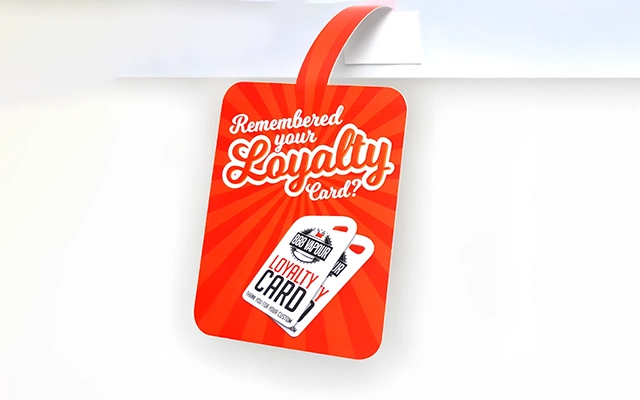
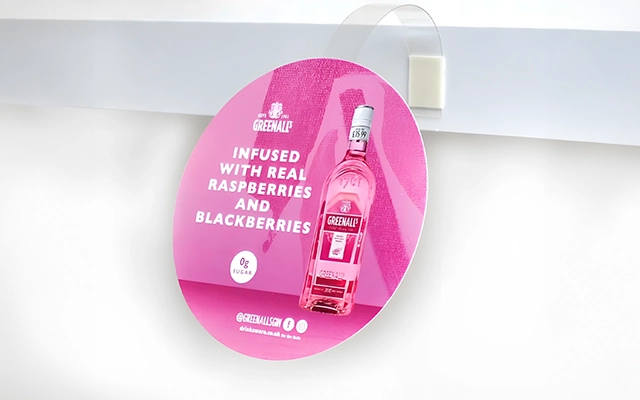
Card disc wobblers are lightweight, recyclable and cost-effective, making them popular for fast-changing promotions and large-scale rollouts.
They offer a great combination of visibility and flexibility, allowing retailers to refresh displays frequently without increasing POS waste.
Card wobblers are less durable in high-humidity or high-touch environments. Movement is softer compared to PVC wobblers, which may affect visibility in very busy aisles.
Magnetic wobblers attach instantly to metal shelving, offering retailers full flexibility when repositioning products or reorganising categories.
These wobblers are commonly used in pharmacies, convenience stores and retail setups where categories shift regularly.
Magnetic wobblers only attach to metal surfaces. They are not compatible with wooden or plastic fixtures, which may limit their use in some retail environments.
The following table summarises the core differences between PVC arm, card disc and magnetic wobblers.
| Wobbler Type | Material | Durability | Cost Level | Installation Method | Shelf Compatibility | Best For | Sustainability |
|---|---|---|---|---|---|---|---|
| PVC Arm | Clear PVC arm with printed face | High | Medium | Adhesive or rail clip | Most shelves | Long-term promotions and high-traffic aisles | Low |
| Card Disc | Printed card with lightweight arm | Medium–Low | Low | Adhesive | Most shelves | Short-term offers and seasonal campaigns | High |
| Magnetic | Printed face with magnetic base | High | Medium–High | Magnetic fixing | Metal shelves only | Rapid repositioning and flexible merchandising | Medium |
Effective installation is essential for ensuring wobblers capture customer attention.
Use magnetic wobblers for speed and ease if shelving allows.
Clean surfaces before applying adhesive pads.
Replace worn adhesive for repeated PVC wobbler use.
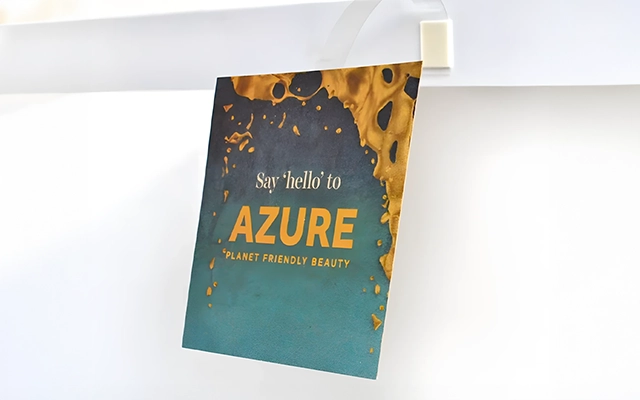
Many retailers are working towards reduced environmental impact, and POS materials are part of that strategy. Card disc wobblers offer the strongest sustainability profile thanks to their recyclability and low waste output.
PVC wobblers, while durable, are best used for long-term campaigns to avoid unnecessary disposal. Magnetic wobblers are reusable and low waste but contain mixed materials that are not recyclable.
Wobblers offer strong value for money because they deliver high visibility at a relatively low cost. ROI is driven by increased product attention and improved promotional awareness.
Whether using PVC, card or magnetic options, consistency and clear design play a key role in achieving results.
Examples of effective usage across UK store formats include:
These examples demonstrate how each wobbler aligns with specific merchandising needs and operational workflows.
A quick selection guide:
Matching the wobbler type to your campaign duration, product category and fixture type ensures strong, reliable impact.
The wobbler you choose has a direct effect on visibility, messaging clarity and customer engagement. PVC, card and magnetic wobblers each offer unique strengths, and understanding these differences helps you make smarter decisions for your promotional strategy.
If you’re planning a new retail campaign or want to improve the effectiveness of your shelf-edge displays, now is the ideal time to review your POS toolkit and ensure you’re using the most suitable wobbler for your store environment.

Unit 4-10 Stanton Road Ind. Est.
Stanton Road
Southampton
Hampshire
United Kingdom
SO15 4HU