Retailers face increasing pressure to capture customer attention in fast-paced shopping environments. While digital channels continue to grow, printed marketing materials remain crucial for influencing purchase decisions both in store and at home. One of the most impactful choices marketers make is the fold format of their brochure or leaflet. The structure of your print piece affects how customers read, interact with, and respond to your message.
This guide compares Z Fold printing, C Fold, and Gate Fold formats, explaining how each performs in retail campaigns, the strengths of each design, and how to select the most effective option for your objectives.
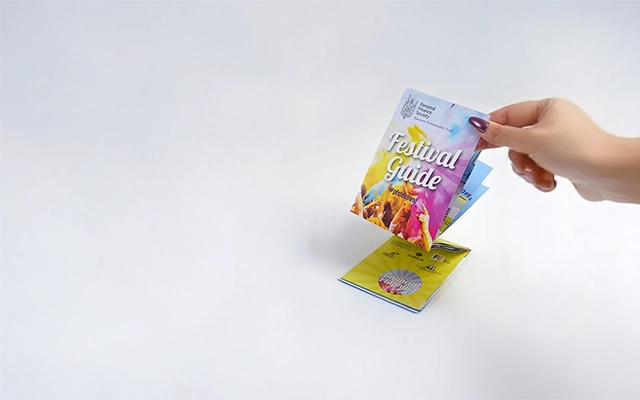
A Z Fold leaflet is divided into three equal sections folded in a zig-zag pattern. This format naturally guides the reader from one panel to the next, making it ideal for:
Its tactile unfolding encourages engagement and keeps the reader moving through the narrative at a steady pace.
The C Fold, commonly known as a tri-fold leaflet, features two panels folded inward to form a compact, intuitive layout. It is widely used in retail because it offers:
This makes the C Fold one of the most cost-effective formats for large-scale retail campaigns and price-driven promotions.
A Gate Fold opens from the centre to reveal a wide internal spread. This structure creates a sense of anticipation followed by a striking reveal, making it ideal for:
Because the centre panel is larger and unobstructed, it supports bold imagery, strong branding, and clear hero messaging.

Choosing a fold based on desired customer behaviour often leads to stronger results.
Different settings demand different communication styles:
These considerations help retailers align print budgets with campaign goals.
Print continues to perform strongly in the UK retail sector, with leaflets commonly retained when they include useful offers or clear value. Fold format influences interaction time, especially for tactile designs like Z Folds and Gate Folds, which encourage customers to open and explore the content fully.
| Fold Type | Ideal Retail Use | Strengths | Considerations |
|---|---|---|---|
| Z Fold | Product guides, journey-led campaigns, storytelling | Logical flow, interactive unfolding, clear segmentation | Requires thoughtful layout sequencing |
| C Fold | High-volume distribution, direct mail, promotional offers | Cost-effective, familiar format, easy to read | Less dramatic visual impact |
| Gate Fold | Product launches, premium visuals, brand-led promotions | Striking reveal, large central panel, memorable design | Can require higher production investment |
Ideal for retailers running campaigns that rely on:
Its clear sequence helps customers understand information quickly.
Choose a C Fold for:
Its familiar layout allows customers to digest information at a glance.
Best suited to campaigns that prioritise:
The dramatic reveal creates a memorable impression that supports brand storytelling.

QR codes, personalised URLs, and discount codes work effectively across all formats and support measurable engagement.
Your decision should be based on campaign objectives:
The more closely your fold format aligns with your campaign’s intent, the stronger your results will be.
If you are planning a retail campaign and want to maximise engagement, now is the time to consider how fold format supports your message. Whether you need structured storytelling, cost-effective distribution, or a visually impactful reveal, choosing the right design can significantly improve your campaign performance.
Start exploring fold formats today and discover how the right choice can help your printed materials work harder for your brand.

Unit 4-10 Stanton Road Ind. Est.
Stanton Road
Southampton
Hampshire
United Kingdom
SO15 4HU