• Free Delivery (UK Mainland)
  • Professional Design Services
  • 4.9 Google Review Rating
  • Friendly Team of Experts
  • Help & Support Guides

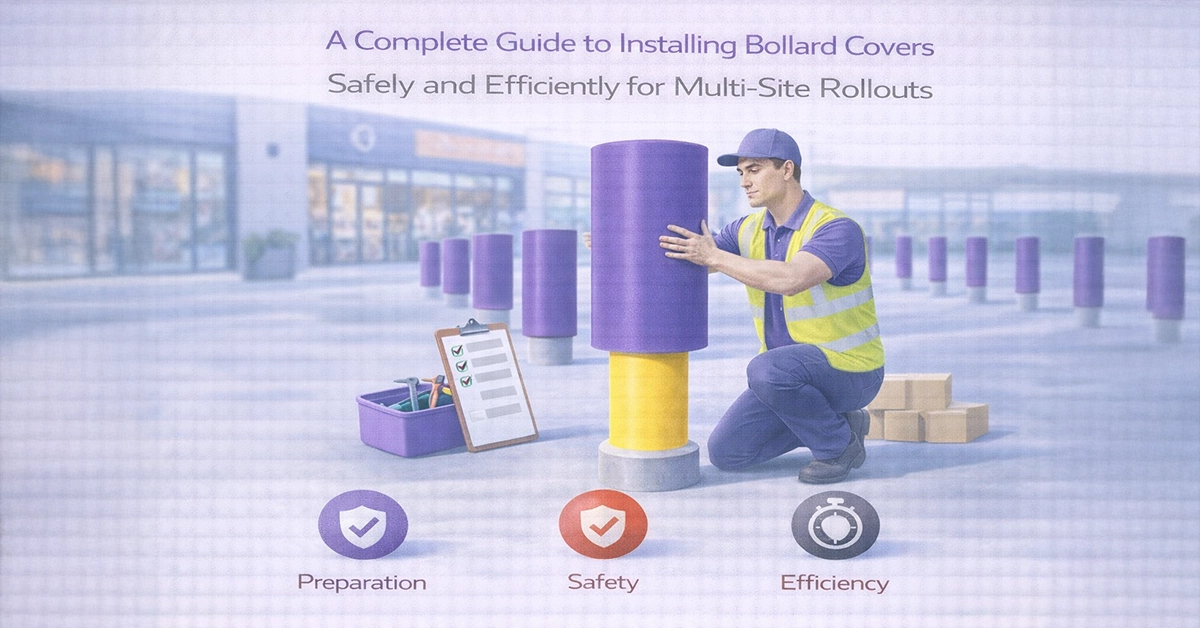
A Complete Guide to Installing Bollard Covers Safely and Efficiently for Multi-Site Rollouts

4–7 minutes

Installing premium bollard covers across multiple sites can improve safety, support branding consistency and reduce long-term maintenance costs. For organisations managing retail parks, forecourts, leisure destinations or business estates, a structured rollout ensures installations remain compliant, cost-effective and visually reliable.

This guide explains how bollard covers work, how to install them safely and how to coordinate large-scale rollouts with minimal disruption.

Why Bollard Covers Matter for Multi-Site Properties

Bollard covers are protective sleeves designed to fit over existing posts. They shield bollards from weathering and impact damage while providing opportunities for branding, messaging and colour styling. For multi-site organisations, covers offer a cost-effective way to maintain a uniform appearance without repainting or replacing metal posts every year.

Key benefits include:

  • Long-term protection against corrosion and wear
  • Improved visibility for drivers and pedestrians
  • Faster installation with minimal downtime
  • Reduced maintenance and repainting costs
  • Consistent branding and messaging across multiple locations

Covers are made from materials such as PVC, polypropylene, HDPE or composite blends, each offering different levels of strength and weather resistance.

UK Compliance Requirements for Bollard Cover Installations

Ensuring compliance is essential before installing bollard covers in public-facing areas. While covers do not change the structural performance of the posts, they must not obstruct visibility or accessibility.

Important compliance factors include:

  • Visibility: High-visibility colours or reflective strips may be required in locations with vehicle traffic.
  • Consistent height: Covers should not significantly increase or reduce bollard height.
  • Pedestrian movement: Adequate spacing must be maintained for wheelchairs, prams and mobility aids.
  • Local approvals: Some public sites may require permissions from local authorities.

For detailed guidance on pedestrian flow considerations, consult the UK Department for Transport’s advice on bollards and movement planning.

Planning a Multi-Site Bollard Cover Rollout

Planning plays a major role in achieving consistent, safe and efficient installations. Multi-site rollouts benefit from repeatable processes and shared standards.

Essential planning steps:

  • Carry out site surveys: Measure existing bollards, assess environmental conditions and note any variations between sites.
  • Create a unified specification: Standardise colours, materials, message placement and reflective accents across all locations.
  • Schedule installations strategically: Align work with quieter trading periods or off-peak hours to minimise disruption.
  • Prepare installer guidance: Provide uniform instructions and equipment lists to ensure consistent results.

Selecting the Most Suitable Bollard Covers

Material choice influences durability, appearance and long-term performance. Each site may face different environmental factors, so selecting the correct cover contributes to longevity.

Selection criteria:

  • Strength and durability: Polypropylene and composite options provide good impact resistance.
  • UV protection: Ideal for exposed sites to prevent fading.
  • Temperature tolerance: Coastal or high-heat environments may require more robust materials.
  • Fixing method: Slip-over, interlocking or riveted systems may be required depending on bollard size and shape.
  • Accuracy of fit: Ensures secure positioning and prevents movement over time.

Guide to Bollard Cover Installation and Selection

This guide outlines the key factors to consider when selecting and installing bollard covers, from material choice and fixing methods to site safety and long-term durability. It is designed to help ensure a secure fit, consistent appearance, and reliable performance across different locations.

TopicKey DetailsWhy It Matters
MaterialsPVC, polypropylene, HDPE, compositesDetermines durability and weather resistance
Fixing OptionsSlip-over, interlocking, rivetedEnsures secure fit across different bollard types
Site Survey ItemsHeight, diameter, spacing, visibility, access routesPrevents sizing errors and compliance issues
Safety RequirementsVisibility, spacing, accessibilitySupports safer public movement
BenefitsProtection, branding, reduced maintenanceHelps standardise multi-site appearance

Safe Installation: Step-by-Step Bollard Cover Fitting

Different cover types require slightly different installation methods, but most follow a structured process that ensures stability and compliance.

Step 1: Prepare the Bollard

  • Clean the surface thoroughly.
  • Assess for damage or irregularities that may affect fitting.
  • Confirm accurate measurements of both height and diameter.

Step 2: Fit the Cover

  • Slip-over covers: Slide directly over the bollard.
  • Interlocking designs: Wrap the cover around the post and secure via integrated locking tabs.
  • Riveted systems: Align panels, prepare pilot holes if needed and attach using supplied rivets.

Step 3: Perform Alignment Checks

  • Ensure the cover sits vertically and evenly.
  • Confirm reflective or branded elements face the correct direction.
  • Verify appropriate spacing between adjacent posts.

Step 4: Final Inspection

  • Apply light pressure to confirm stability.
  • Check for gaps or protruding edges.
  • Capture images for documentation and consistency across sites.

Installing New Bollards Before Adding Covers

Some projects may involve installing new bollards rather than retrofitting covers. This requires specialist groundwork and should follow established safety practices.

Typical steps include:
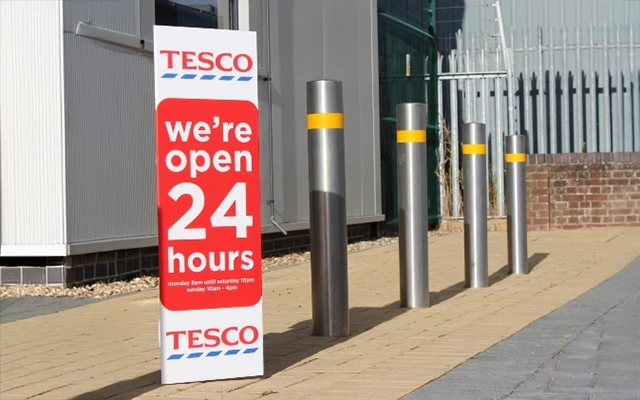
  • Excavation to the recommended depth
  • Installing foundations and ensuring proper drainage
  • Securing bollards in concrete and allowing adequate curing time
  • Checking alignment before applying covers

Managing Costs Across a Multi-Site Rollout

Planning your budget early helps avoid unexpected costs and supports consistent procurement across all sites.

Cost considerations:

  • Material choice and volume
  • Labour requirements
  • Variations in surface conditions
  • Replacement stock for maintenance
  • Traffic or pedestrian management needs

Standardising cover specifications significantly reduces procurement complexity and prevents ordering inconsistencies.

Avoiding Common Installation Errors

A smooth rollout depends on avoiding predictable mistakes.

Frequent pitfalls:

  • Incorrect sizing due to inaccurate measurements
  • Insufficient surface cleaning prior to fitting
  • Misaligned branding or reflective areas
  • Inconsistent colour use across locations
  • Lack of documentation for future inspections

A centralised installation checklist helps streamline consistency and reduces the likelihood of rework.

Maintaining Bollard Covers Across Your Sites

Routine maintenance extends the life of bollard covers and ensures continued safety.

Good practice includes:

  • Regular cleaning with mild detergents
  • Inspecting for UV fade, cracking or impact damage
  • Prompt replacement of damaged covers
  • Maintaining a stored inventory of spares
  • Scheduling consistent maintenance across all locations

Where Multi-Site Organisations Gain the Most Value

Multi-site estates commonly rely on bollard covers to:

  • Improve safety visibility
  • Standardise branding across multiple locations
  • Clarify pedestrian and vehicle routing
  • Protect physical assets with minimal downtime
  • Reduce long-term maintenance budgets

These advantages make bollard covers a practical and scalable solution for organisations managing large property portfolios.

Final Summary and Next Steps

A successful multi-site bollard cover rollout requires thorough planning, safe installation methods and consistent maintenance across your entire estate. By selecting durable materials, following structured fitting processes and keeping a clear record of each installation, organisations can achieve long-lasting safety benefits and a unified visual standard across all sites.

If you’re planning a new installation project or developing a specification for multiple locations, now is the ideal time to explore how professional bollard covers can support your operational goals.

Site Logo
Part of the Inprint Group

Unit 4-10 Stanton Road Ind. Est.
Stanton Road
Southampton
Hampshire
United Kingdom
SO15 4HU

Affiliations

members of
© Copyright 2026 Inprint Group