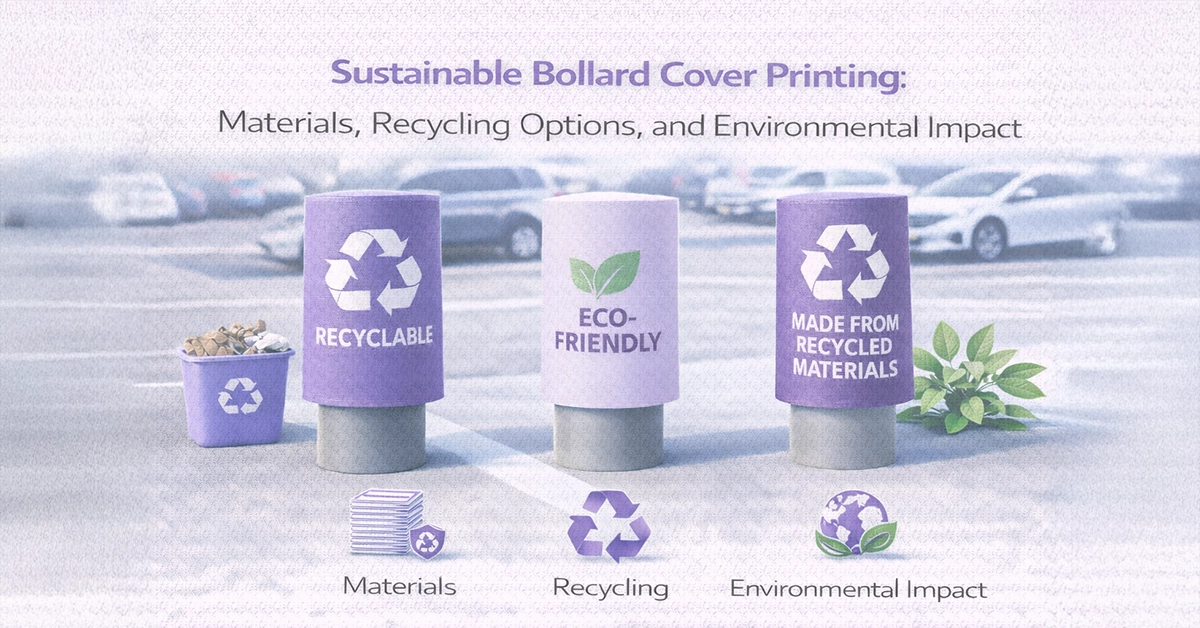
Sustainability is now a defining factor in outdoor signage, especially for businesses aiming to reduce waste, lower carbon impact, and demonstrate environmental responsibility. Bollard cover marketing is widely used across retail, forecourts, car parks, and public spaces, yet its environmental footprint is often overlooked. Traditional printing materials can contribute significantly to landfill waste and emissions, but modern eco-friendly alternatives offer far more sustainable outcomes.
This article explores sustainable bollard cover materials, responsible printing methods, recycling options, and the environmental impact of signage production. It also provides practical guidance for UK businesses looking to make informed choices for future campaigns.
Bollard covers serve as high-visibility printed sleeves that slide over fixed bollards. They are commonly used for:
Historically, these covers were produced using plastic-heavy substrates chosen for durability. As sustainability standards rise, material choice and print processes are becoming central considerations for environmentally conscious organisations.
Many older signage materials, particularly PVC-based substrates, present well-documented environmental issues. PVC is problematic because:
Large-format printing used for bollard covers also contributes to emissions through:
PVC remains a widely used material in outdoor signage due to its durability and print quality. However, like many plastics, end-of-life recycling options can be limited depending on local infrastructure, which is why alternative materials and responsible disposal routes are increasingly considered (Science Direct).
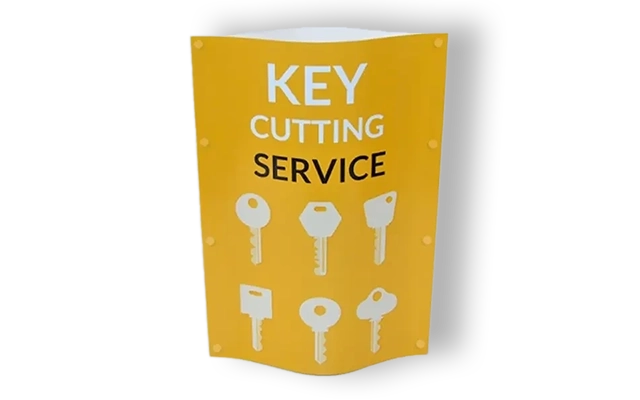
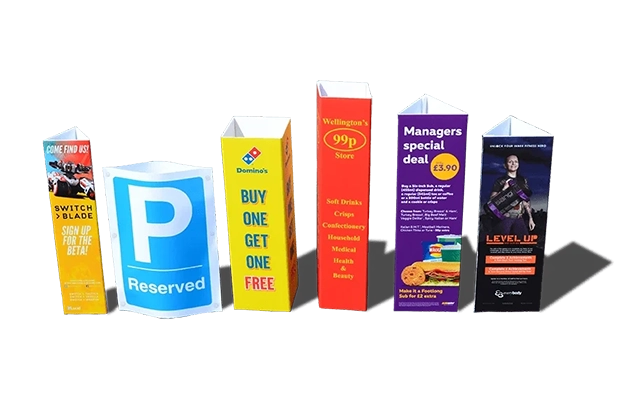
Sustainable bollard cover materials now offer strong print performance, durability, and improved end-of-life outcomes.
PVC-free plastic options such as polypropylene provide:
These materials offer:
Ideal for shorter-term or sheltered applications:
Sustainable print production is influenced not just by substrates, but also by the printing process itself.
Key environmentally responsible methods include:
These innovations collectively support cleaner, more sustainable large-format printing.
Sustainable bollard cover options focus on reducing environmental impact without compromising durability or performance. The table below outlines commonly used materials, their environmental benefits, recyclability, and the applications they are best suited for.
| Material | Environmental Benefit | Recyclability | Best Use Case |
|---|---|---|---|
| Recycled Correx | Reduced virgin plastic, long lifespan | Specialist recycling | Outdoor promotional campaigns |
| PVC-Free Polypropylene | Lower toxicity, improved disposal options | Widely recyclable | Long-term outdoor signage |
| Recycled Polyester | Strong durability, reduced resource use | Varies by processor | Permanent or semi-permanent applications |
| Paper-Based Stocks | Compostable/biodegradable | Paper recycling | Short-term or sheltered campaigns |
| Water-Based / Vegetable Inks | Reduced VOCs | N/A | Environmentally focused projects |
Recycling opportunities depend heavily on material choice and construction.
Planning for responsible disposal should begin at the design stage to ensure covers are channelled into appropriate recycling streams once campaigns end.


Many UK print providers are incorporating sustainability into their operations, including:
These operational improvements demonstrate that high-quality, sustainable print is both achievable and commercially viable.
Adopting sustainable bollard cover printing practices is achievable through a few strategic steps:
These actions support a more responsible approach to outdoor communication and long-term environmental planning.
While eco materials and processes continue to improve, businesses should consider:
Understanding these variables helps shape realistic sustainability goals and supports informed decision-making.
Sustainable signage is advancing rapidly. Developments shaping the future include:
As sustainability expectations grow across UK industries, environmentally responsible bollard cover printing will increasingly become standard practice.
Sustainable bollard cover printing provides clear advantages for businesses aiming to reduce waste and adopt responsible environmental practices. Choosing the right materials, print methods, and recycling strategies supports cleaner production and stronger sustainability outcomes.
If you’re reviewing your signage processes or considering a switch to more sustainable solutions, now is an excellent time to explore eco-conscious materials and production methods. We can help you refine your strategy, improve your content, or support your sustainability messaging whenever you’re ready.

Unit 4-10 Stanton Road Ind. Est.
Stanton Road
Southampton
Hampshire
United Kingdom
SO15 4HU