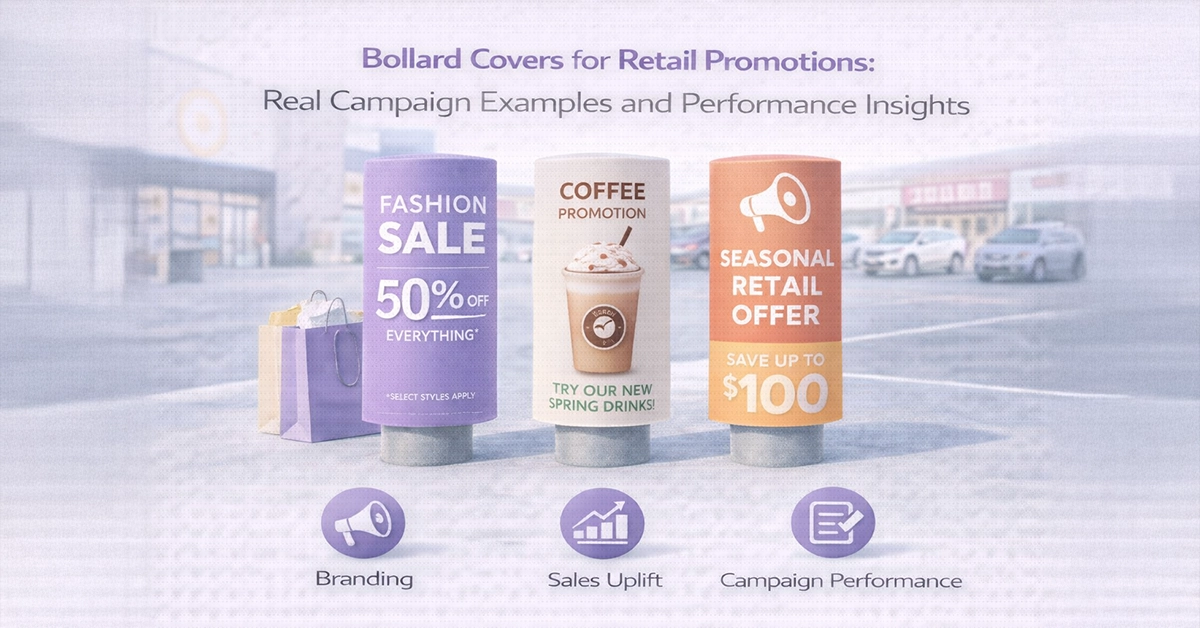
Bollard covers have become one of the most adaptable and cost-effective outdoor advertising tools available to UK retailers. Positioned in high-traffic areas such as store entrances, forecourts, and car parks, they convert everyday bollards into branded promotional displays that influence customers at key decision points.
Whether the aim is driving footfall, increasing awareness of a seasonal offer, or supporting a multi-site rollout, bollard covers offer a reliable and flexible marketing solution. This article explores real campaign examples, best-practice design strategies, performance insights, and practical ways retailers can use bollard covers to enhance promotional impact.
Bollard covers transform underused exterior spaces into attention-grabbing advertising surfaces. When positioned strategically, they deliver strong visibility before customers reach the door, helping shape buying behaviour early in the visit.
Key advantages include:
Their practicality and value make bollard covers a powerful tool within a wider retail marketing strategy that includes window graphics, floor vinyls, and in-store point-of-sale materials.
Retailers typically choose between two main formats:
Most covers are produced using 3–4 mm Correx or similar polypropylene materials, offering lightweight durability. UV-resistant inks ensure artwork remains vibrant throughout the campaign, even in changeable UK weather.


Bollard covers perform best when used as part of a coordinated promotional plan. Common applications across UK retail include:
During peak trading seasons such as Christmas, summer, and Black Friday, bollard covers reinforce promotional themes from the moment customers enter the site.
Retailers use bollard covers to highlight new product ranges or limited-time releases, gaining visibility before shoppers begin their in-store browsing journey.
Stores use bollard covers to communicate reopening dates, charity initiatives, and in-store events, ensuring consistent visibility across entrances and approach routes.
For businesses operating multiple locations, bollard covers offer an efficient way to replicate branding and promotional messaging across a full estate, supporting nationwide consistency.
Although independent UK research on bollard cover performance is limited, practical evidence from retail teams shows several consistent benefits:
Retailers seeking data-driven insights often track:
This table highlights the key performance indicators commonly used to assess the effectiveness of bollard cover campaigns. It outlines what to measure, why each metric matters, and where reliable data can be sourced to support informed campaign decisions.
| Aspect of Performance | What to Measure | Why It Matters | Typical Data Source |
|---|---|---|---|
| Footfall Change | Entrance traffic before/after installation | Shows whether bollard visuals attract more customers | Door counters or manual tallies |
| Engagement | QR scans, URL visits, or offer codes | Measures whether messaging prompts customer action | Analytics tools |
| Sales Impact | Item-level or category uplift | Indicates financial contribution of the campaign | Till system data |
| Message Recall | Customer surveys or feedback | Helps identify which designs resonate most | Staff feedback or survey tools |
| Multi-Site Consistency | Visual uniformity across branches | Ensures clear and cohesive brand messaging | Rollout checks |
To ensure visibility and impact, retailers should prioritise strong visual communication. Key design principles include:
Short, impactful wording ensures customers grasp the message instantly.
Bold colour combinations improve readability in busy outdoor environments and from a distance.
A simple structure — headline, supporting line, branding — improves comprehension.
Campaign-specific visuals help reinforce seasonal promotions and encourage engagement.
Designs should be readable whether approached on foot or from a moving vehicle.
Where bollard covers are placed has a significant influence on their effectiveness. High-impact positions include:
For multi-site campaigns, using consistent artwork across all locations supports stronger brand recognition and helps reinforce promotional themes across the entire network.
Weather conditions play a key role in outdoor advertising performance. Durable materials and secure fitting ensure bollard covers remain effective throughout the campaign period.
Retailers should consider:
Permissions if bollards are positioned on public land.
UV-resistant inks to reduce fading.
Waterproof materials suitable for long-term outdoor use.
Regular checks during extended campaigns.

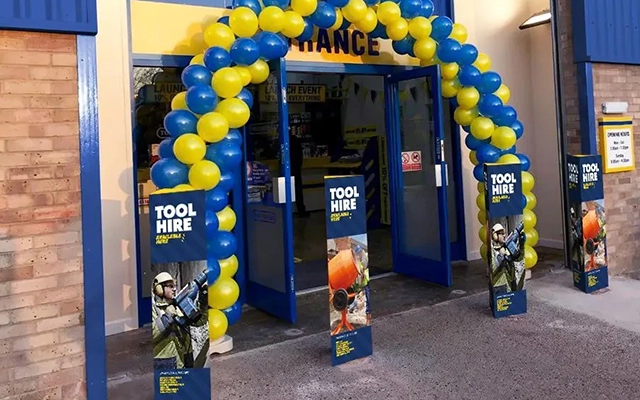
The cost of bollard covers in the UK varies according to:
Compared with many outdoor advertising formats, bollard covers offer impressive value due to their low production cost and ability to generate repeated impressions from every visitor.
A structured evaluation helps retailers understand the financial and behavioural impact of their campaign:
Even small-scale tests offer meaningful insights into which messages and designs resonate most with customers.
To maximise performance, retailers should avoid:
Attention to detail in design, placement, and timing ensures that bollard covers achieve their intended impact.
Bollard covers are a practical and cost-effective way to strengthen retail promotions, increase awareness, and support multi-site campaigns. With thoughtful planning, strong design, and consistent measurement, retailers can make bollard covers a reliable part of their outdoor marketing toolkit.
If you’re considering using bollard covers for an upcoming promotion, take stock of your key exterior touchpoints, identify high-traffic areas, and plan a focused test campaign using concise, high-contrast messaging. The results can offer valuable insights and support long-term retail marketing success.

Unit 4-10 Stanton Road Ind. Est.
Stanton Road
Southampton
Hampshire
United Kingdom
SO15 4HU