Custom coffee cup sleeves contribute far more than comfort. They help UK cafés, hospitality teams and event organisers reinforce their branding, improve customer experience and support sustainability goals. Yet one of the key challenges for businesses is getting the sizing right. A sleeve that is too loose twists or slides, while a sleeve that is too tight slows down service and becomes impractical to use. Accurate measurement prevents waste, avoids reprints and keeps your packaging consistent.
This guide explains how to measure your cups correctly, create a sleeve template that fits, choose the right materials and understand current UK market trends. It is designed to help first-time buyers and experienced teams order sleeves with confidence.
Cup sleeves provide grip, heat protection and a valuable canvas for branding. Since most UK takeaway cups are tapered, the correct sleeve design must follow the shape of the cup to sit securely.
Typical UK cup sizes include:
These provide a general reference, but exact measurements should always come from the specific cups you use.
Correct measurement is the foundation of a perfect-fit sleeve. Use a flexible tape measure and follow the steps below.
Place the tape just below the lip of the cup. This sets the top width of your flat sleeve template.
Because cups taper, this lower measurement is always narrower. It is essential for achieving a snug fit.
Sleeves usually cover the mid-section of the cup. A height between 50 mm and 70 mm provides grip without hiding cup branding.
Use this formula for both top and bottom widths:
Flat width = circumference divided by π
Include extra width for a glue tab or interlocking join.
A tapered cup means the sleeve needs curved or angled edges. Testing a simple paper version before printing can prevent costly adjustments later.

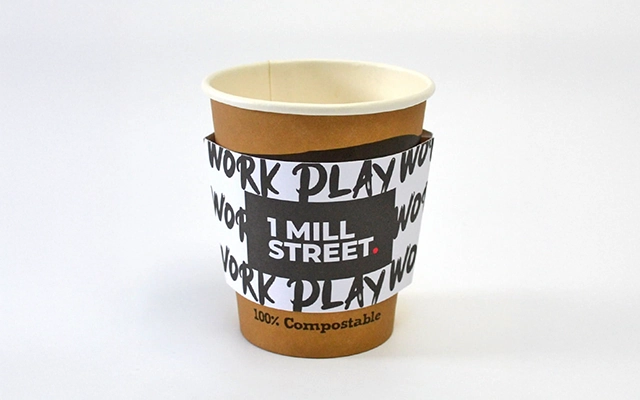
With measurements ready, you can draft a sleeve template that mirrors the exact shape of your cup. A complete template includes:
Businesses often create multiple prototypes to ensure the sleeve holds securely without slipping or stretching.
This quick-reference guide summarises the essential elements required for accurate sleeve sizing and design.
| Component | What to Measure | Why It Matters | Typical Range |
|---|---|---|---|
| Top Circumference | Full measurement beneath cup lip | Defines top sleeve width | Varies by cup |
| Bottom Circumference | Measurement near base | Ensures correct taper | Smaller than top |
| Sleeve Height | Vertical cover area | Determines grip and branding space | 50 mm to 70 mm |
| Overlap Allowance | Extra width for closure | Creates secure assembly | 4 mm to 8 mm |
| Material Weight | Paperboard gsm | Impacts strength and comfort | 250 gsm to 350 gsm |
| Print Finish | Surface coating | Affects durability and appearance | Matt, gloss, uncoated |
Material selection influences grip, comfort and overall brand appearance. Popular options include:
Heavier gsm materials increase rigidity and durability. Recyclable and compostable options are increasingly chosen by UK businesses seeking to meet customer expectations and environmental targets.
Your sleeve design becomes a mobile advert, so choosing the right print method and finish is vital.
Common options include:
Sleeves may be supplied flat for self-assembly or pre-glued for quick use.
Each style has advantages depending on your workflow and brand requirements.
Use adhesive tabs for a clean and secure join. Ideal for high-volume service environments.
Slot together without glue. Practical and cost-effective, but slightly less rigid.
Both styles work effectively when matched to the correct taper and material weight.


Cup sleeves travel with customers, making them an effective promotional tool. They suit marketing goals such as:
Many UK consumers actively look for environmentally responsible packaging. Choosing recyclable or compostable materials, along with water-based inks, supports sustainability targets and reduces waste.
Clear guidance on disposal helps customers handle packaging responsibly.
Common problems include:
Accurate preparation avoids unnecessary reprints and ensures consistency.
Several factors affect the price of custom sleeves, including:
Higher volumes typically reduce the unit price. To understand value, calculate your weekly cup usage and compare the cost of sleeves against the branding impact they deliver.
The demand for custom cup sleeves continues to grow as takeaway culture strengthens across the UK. Current trends include:
Businesses that follow these trends can create memorable and efficient packaging solutions.
Before placing an order, confirm the following:
The foundation of a well-fitted cup sleeve is precise measurement supported by thoughtful material and design decisions. When these elements work together, your sleeves stay secure, feel comfortable and represent your brand effectively. Use this guide and the reference table to streamline your ordering process and ensure consistent, high-quality results.
For tailored support or help preparing artwork or templates, contact your print provider and begin planning your custom sleeve order today.

Unit 4-10 Stanton Road Ind. Est.
Stanton Road
Southampton
Hampshire
United Kingdom
SO15 4HU