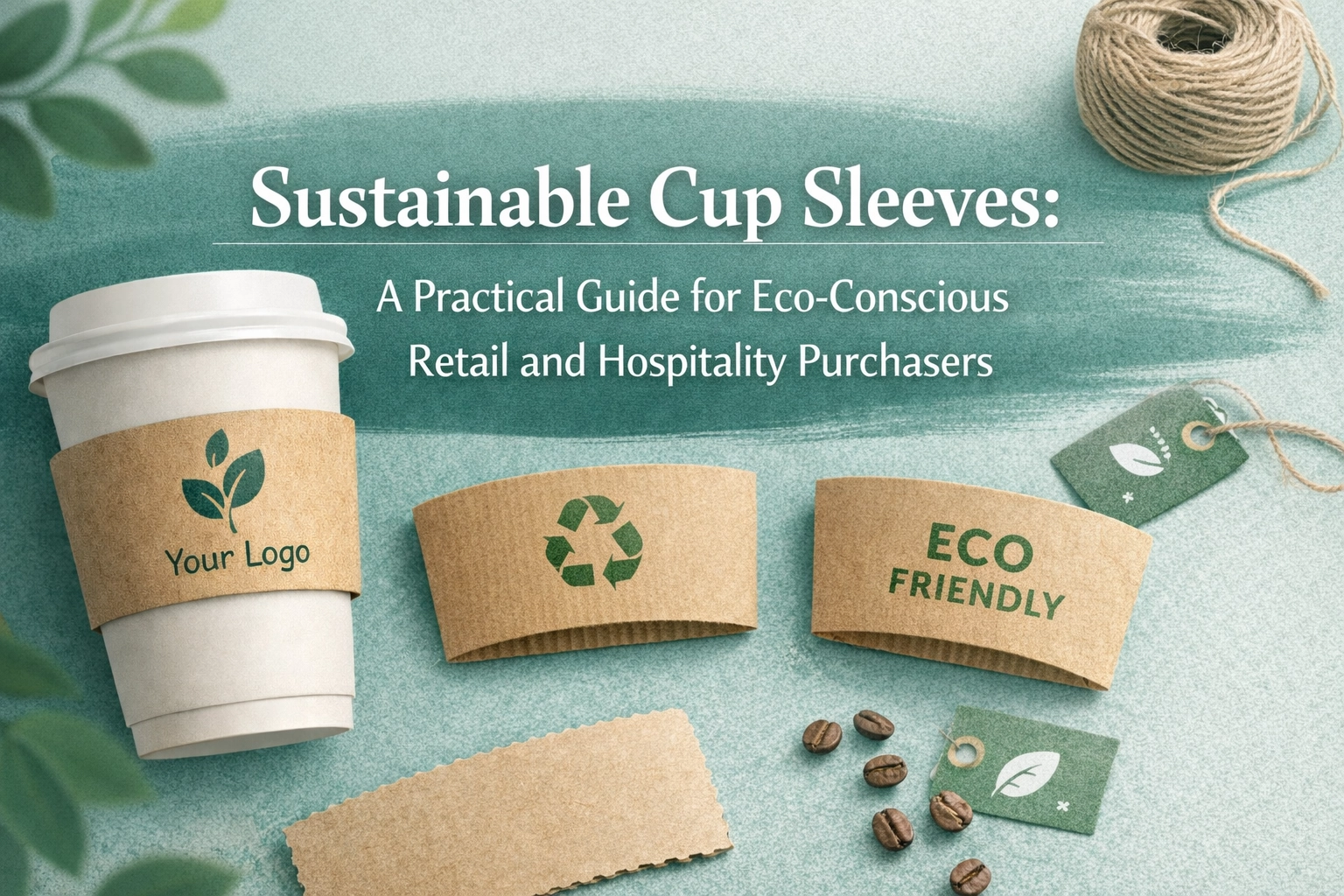
Sustainability has become a defining focus across the UK’s retail and hospitality sectors. With millions of takeaway drinks sold daily, customers now expect businesses to make responsible choices about the packaging that accompanies those products. A well-designed cup sleeve, though often overlooked, offers one of the simplest and most affordable ways to reduce environmental impact while supporting cleaner supply chains.
This practical guide explores what makes a cup sleeve sustainable, how the right material can support your environmental goals, and what hospitality buyers should consider when choosing suppliers. Whether you run a busy café, a bakery, a hotel, or a retail outlet offering hot drinks, investing in sustainable sleeves can help strengthen your brand’s commitment to the environment and provide customers with a more thoughtful experience.
Disposable cups remain a significant source of waste, with billions used each year across the UK. Due to mixed materials and contamination, the vast majority are not recycled. Cup sleeves, however, can be produced from cleaner, more easily recyclable materials, making them a practical intervention point for businesses looking to reduce their footprint.
Customers increasingly notice sustainability efforts, and packaging is one of the first touchpoints they encounter. A responsibly sourced cup sleeve signals transparency, consideration and a genuine commitment to environmental progress.
Understanding the differences between sleeve materials is essential for making informed purchasing decisions. The right choice balances environmental credentials, customer comfort and operational practicality.
When selecting materials, avoid sleeves with heavy coatings or plastic linings, as these reduce recyclability and hinder waste-stream compatibility.
Sustainability claims should always be backed by recognised certifications. Look for:
These certifications help ensure transparency, provide reassurance to customers and support more accurate sustainability reporting.
A practical guide to sustainable cup sleeve materials, helping brands balance insulation, recyclability, and environmental impact.
| Material Type | Key Benefits | Limitations | Suitable For |
|---|---|---|---|
| Kraft Paper | Widely recyclable, renewable fibres, cost-effective | Lower insulation without added texture | Everyday takeaway drinks, natural branding styles |
| Corrugated Cardboard | Strong insulation, recyclable, premium feel | Bulkier than other materials | High-volume cafés, busy urban locations |
| Compostable Fibre (Bagasse) | Made from waste by-products, industrially compostable | Requires correct disposal stream | Sites with composting partnerships or strong sustainability focus |
| Recycled-Content Paperboard | Uses less virgin fibre, reduces emissions | Colour and texture variations | Brands prioritising visible sustainability |
Even the most sustainable sleeve requires correct disposal pathways to deliver its full benefit. Industrial composting is not yet widespread across the UK, and recycling capabilities can vary by region.
This means hospitality buyers should:
Practical waste-stream communication significantly increases the chance of sleeves being correctly processed.
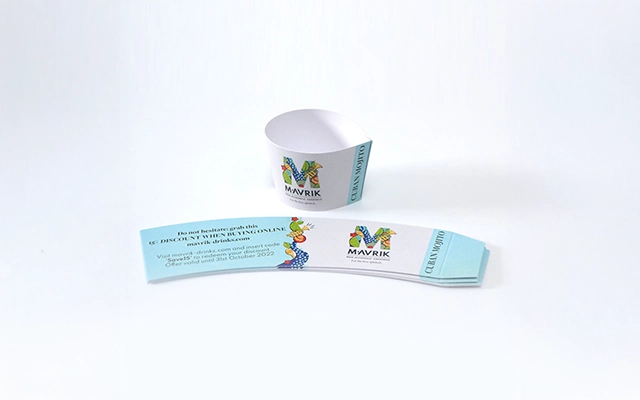
While sustainable sleeves may carry a small cost premium, the long-term benefits far outweigh the initial investment. They can support stronger environmental claims, resonate with eco-aware customers, and complement wider sustainability strategies.
Additional advantages include:
In an increasingly sustainability-driven market, small packaging improvements can meaningfully contribute to brand trust and customer loyalty.
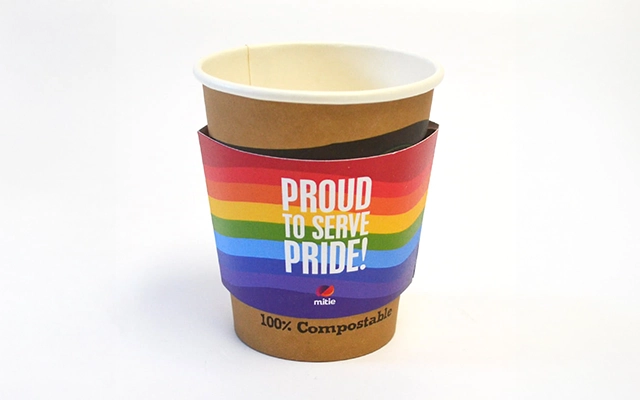
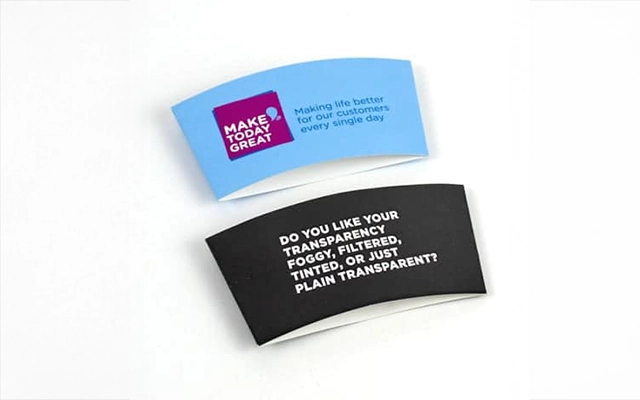
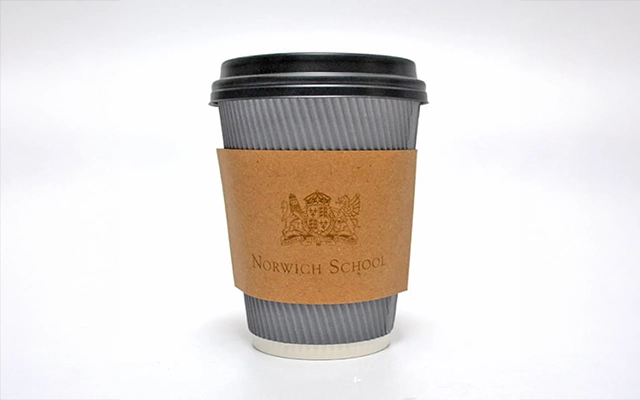
A cup sleeve doubles as a branding tool. Using sustainable materials can enhance the appearance and feel of your hot drink offering while underscoring your environmental values.
Options include:
Thoughtful design offers both functional and brand-building value.
Selecting the best sustainable cup sleeve involves understanding both environmental requirements and operational needs.
Consider the following:
A simple decision-making approach:
To ensure a smooth transition:
Practical groundwork helps embed sustainability as part of everyday service rather than a standalone initiative.
The coming years will see greater emphasis on circular packaging solutions across the UK. Expect continued growth in fibre-based alternatives, improved recyclability and stronger alignment with environmental regulations.
As technology advances, sleeves are likely to use lighter materials, more efficient processing and lower-impact inks. Businesses adopting sustainable solutions now will be better positioned as expectations continue to shift.
Sustainable cup sleeves offer a simple, impactful way for UK hospitality and retail businesses to reduce waste, strengthen environmental credentials and improve the customer experience. By choosing responsible materials, verifying certifications and aligning your choice with local waste streams, you set your organisation on the path to more sustainable operations.
If you are ready to move towards more responsible packaging, begin exploring sustainable cup sleeve options today and take the next meaningful step in supporting a cleaner, greener future for your business and your customers.

Unit 4-10 Stanton Road Ind. Est.
Stanton Road
Southampton
Hampshire
United Kingdom
SO15 4HU