Preparing artwork for coffee cup sleeves is a critical step in producing consistent, high-quality packaging Choosing the right cup sleeve material is becoming increasingly important for UK cafés, retailers, hospitality operators, and food-to-go brands. Your material choice influences sustainability performance, customer experience, operational efficiency, and the way your brand appears in a customer’s hand. As UK recycling regulations evolve and consumers prioritise eco-friendly packaging, understanding the differences between kraft, uncoated, and coated cup sleeves can help you make a confident, future-proof decision.
This guide breaks down each material type, compares their strengths and limitations, and explains which sleeve suits different business needs.
Cup sleeves play a bigger role than simply protecting hands from heat. They act as mobile advertising, support your environmental commitments, and shape the way customers perceive your brand.
Material choice matters because it impacts:
Rising takeaway consumption in the UK further increases the need for packaging that is visually strong and environmentally responsible.
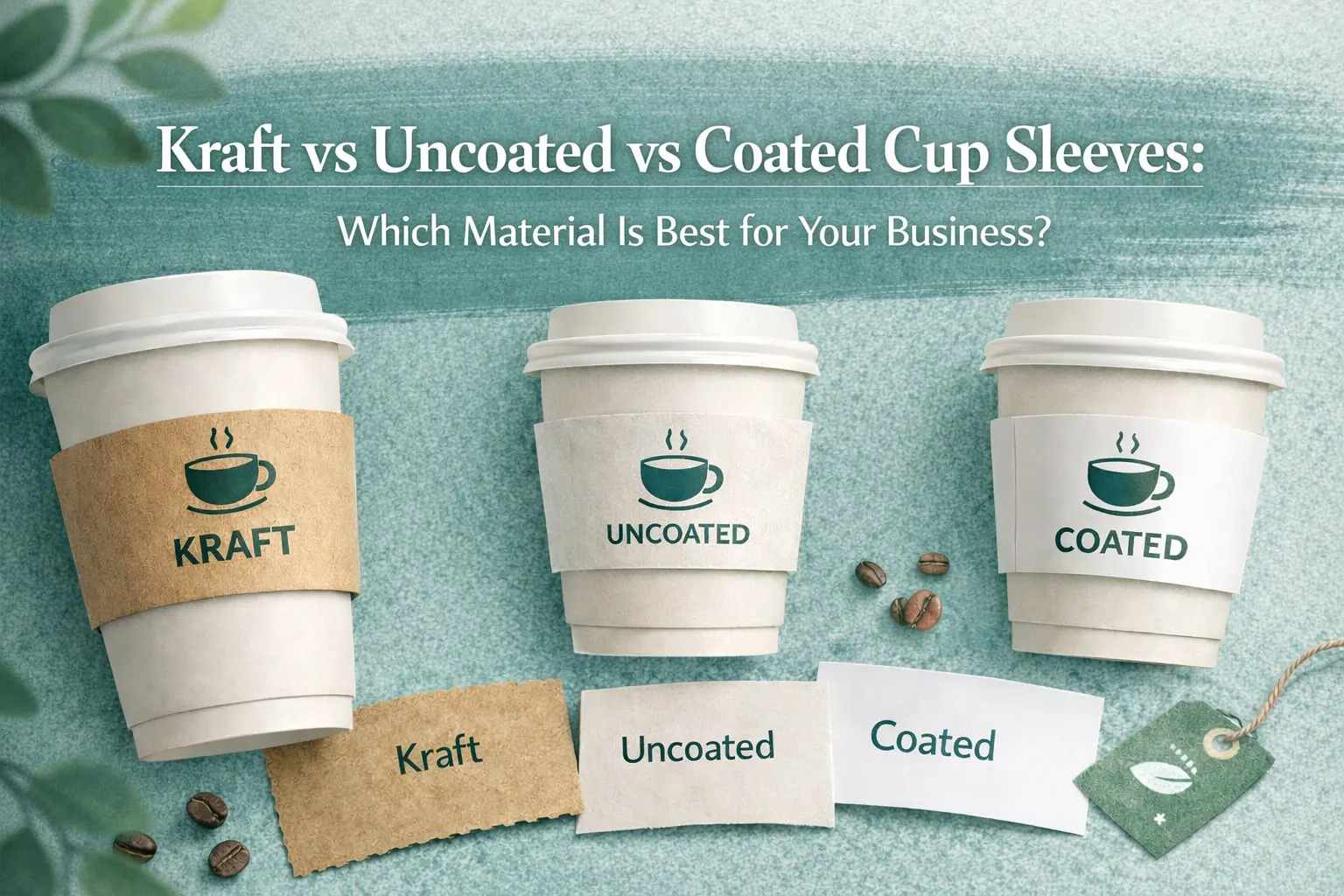
The UK cup sleeve market mainly uses three outer material types:
All three sleeve types rely on a corrugated or fluted inner layer for insulation. The outer material determines print quality, sustainability performance, and the brand impression your sleeve creates.
Kraft is a popular choice for UK businesses aiming for an authentic, eco-centred look. Made from recycled fibres or FSC-certified virgin kraft, it offers both strength and environmental credibility.
Key advantages:
Considerations:
Kraft is an excellent match for artisan cafés, organic retailers, and brands that want their packaging to feel grounded and environmentally responsible.
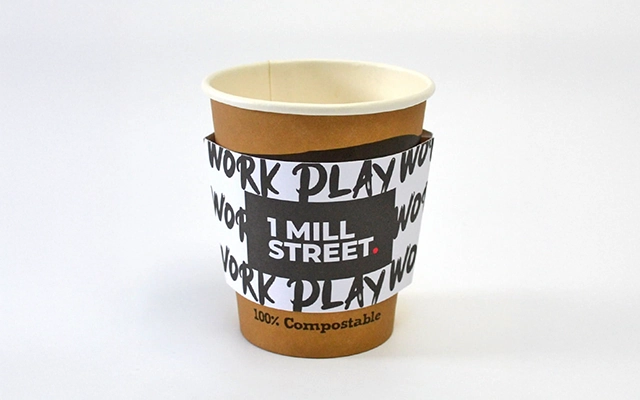
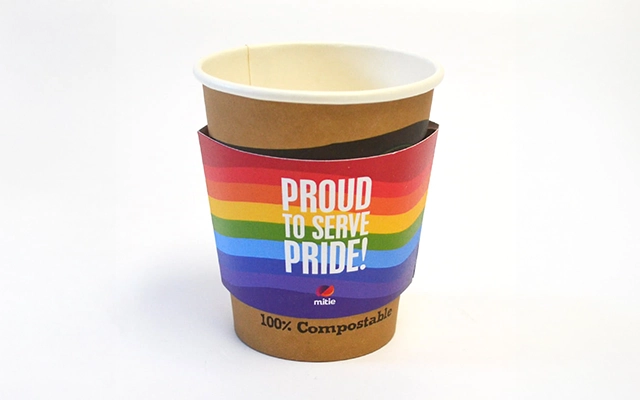
Uncoated cup sleeves are widely used across the UK because they balance cost, appearance, and print reliability. They suit a variety of brands and service environments.
Strengths:
Points to keep in mind:
Uncoated sleeves are the practical choice for high-volume takeaway operations looking for clarity, affordability, and simplicity.
Coated cup sleeves deliver the most striking visual results. Gloss or silk coatings produce sharp detail and rich colour, making them suitable for promotional campaigns or premium-positioned brands.
Why choose coated sleeves:
Considerations:
Coated sleeves are perfect for seasonal promotions, product launches, and brands that rely heavily on visual storytelling.
A side-by-side comparison of kraft, uncoated, and coated cup sleeves covering appearance, print quality, durability, and cost.
| Feature / Benefit | Kraft Sleeves | Uncoated Sleeves | Coated Sleeves |
|---|---|---|---|
| Appearance | Natural, rustic | Clean, smooth | Glossy or silky, highly polished |
| Print Quality | Soft, muted tones | Clear, reliable | Bright, sharp, high-impact |
| Durability | Strong fibres, textured grip | Good for daily use | Most resistant to moisture |
| Sustainability | Highly recyclable | Recyclable | Dependent on coating |
| Best For | Eco-focused, artisan brands | Everyday takeaway use | Promotional or premium designs |
| Cost | Moderate | Typically lowest | Higher due to finishing |
While the inner fluting provides the main insulation, the outer material influences how the sleeve feels, wears, and performs.
How materials differ:
Choosing the right material can influence comfort, usability, and overall brand perception.
Sustainability remains a driving force in the UK packaging market. According to Statista, the majority of UK consumers prefer eco-responsible packaging, and this influences purchase decisions in hospitality settings.
How each material aligns with UK recycling goals:
As the UK progresses with Extended Producer Responsibility (EPR) reforms, businesses should consider long-term recyclability and end-of-life impact when choosing packaging materials.
For more on UK packaging guidance, visit WRAP or Gov UK Extended Packaging Guidance.
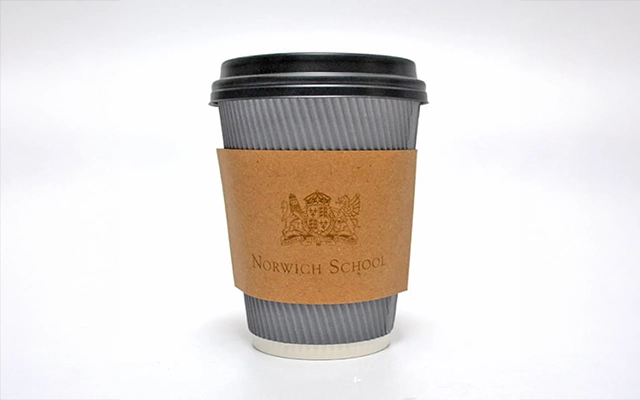
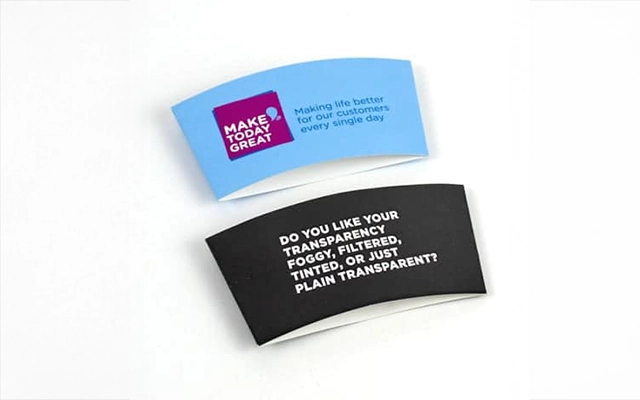
Each material responds differently to ink, colour, and artwork detail.
Matching your design style to the material ensures better colour accuracy and a stronger brand presence.
Pricing varies depending on print method, order volume, material grade, and finishing.
General guidance:
Businesses should weigh cost against branding impact, sustainability goals, and functional needs.
Different settings benefit from different materials:
Selecting with context ensures the packaging supports both brand identity and operational demands.
Before deciding, consider:
By aligning these factors, businesses can choose a sleeve material that strengthens their visual identity, supports sustainability goals, and performs reliably in service.
Kraft, uncoated, and coated cup sleeves each offer distinct strengths. By understanding how these materials differ, you can confidently choose the option that fits your brand, your customers, and your sustainability commitments.
If you’re planning a new packaging project or launching a promotional campaign, now is the ideal time to explore which material and print style will best represent your business.

Unit 4-10 Stanton Road Ind. Est.
Stanton Road
Southampton
Hampshire
United Kingdom
SO15 4HU