Custom coffee cup sleeves are now a core branding tool for UK cafés, coffee shops, mobile vendors, and event organisers. They improve grip and heat protection while offering a valuable canvas for brand visibility. Although they appear simple, the cost of producing custom sleeves varies widely. Knowing what drives these costs helps businesses budget accurately and choose the best specification for their needs.
This guide breaks down the key factors that influence sleeve pricing in the UK, from materials and printing methods to sustainability choices and bulk discounts. If you’re exploring branded packaging or reviewing your current supply, this article provides a clear, practical overview that supports confident decision-making.
In the UK, custom coffee sleeves typically range from a few pence per unit for bulk orders to noticeably higher costs for small runs or premium finishes. Per-unit costs decrease as volumes increase, thanks to efficiencies in setup and production.
While sleeves remain an affordable branding option, the true value depends on material choices, artwork complexity, finishing styles, and ordering strategy. Understanding these factors helps you make informed, cost-effective decisions that align with your brand and budget.
Material choice significantly affects pricing. Different paper types offer their own strengths in durability, appearance, and sustainability.
Common materials include:
Heavier gsm materials improve insulation and premium feel but naturally increase production cost.
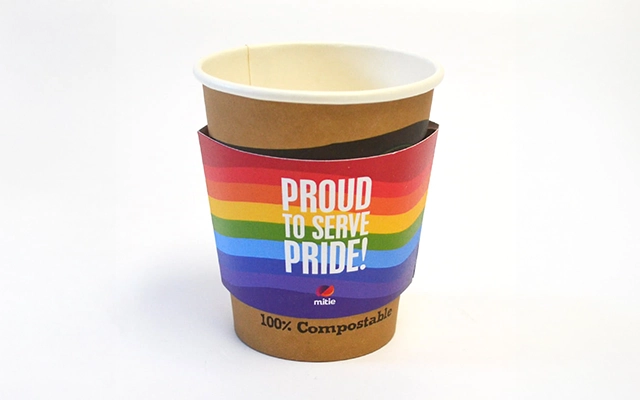
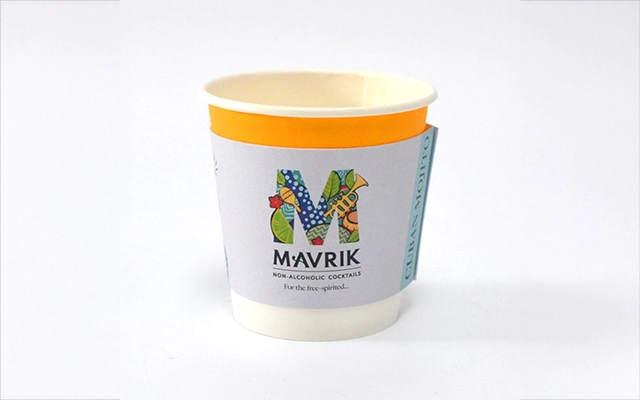
Printing is a major cost driver. Full-colour CMYK printing is the standard for custom sleeves, but the details of your artwork can influence price.
Cost-increasing factors include:
Simplified artwork with minimal ink coverage can keep production costs low while still maintaining strong brand impact. If you require design support, factor in the cost of preparing or refining artwork files.
Premium finishing options enhance the look and feel of sleeves but require additional production steps.
Common upgrades include:
These choices contribute to a more distinctive brand experience but increase cost and lead time. They are best used where branding impact outweighs the additional spend, such as seasonal campaigns or premium product launches.
Order quantity has one of the biggest effects on cost per sleeve. Most UK production runs operate on tiered pricing, where larger quantities reduce the per-unit price dramatically.
Benefits of larger orders include:
However, bigger orders require more storage space and upfront budgeting, so it’s important to forecast demand accurately.
The table below explains what affects the cost of custom cup sleeves, from material choice and printing complexity to order volume and delivery.
| Cost Factor | Description | Impact on Price | Notes for Buyers |
|---|---|---|---|
| Material | Kraft, recycled, premium or standard paperboard | Medium to high | Choose based on branding and sustainability goals |
| Printing | Ink coverage, colour complexity, file prep | Medium | Simplify artwork where possible |
| Finishes | Lamination, foils, embossing | High | Adds premium feel; increases production steps |
| Quantity | Larger orders reduce per-unit cost | High | Forecast usage for efficient ordering |
| Assembly | Flat, taped, or pre-assembled | Low to medium | Pre-assembled saves time but costs more |
| Lead Time | Standard vs express production | Low to medium | Plan ahead to avoid rush charges |
| Delivery | Courier or pallet delivery | Low | Includes total landed cost considerations |
Sleeves are supplied in different formats, each affecting both price and operational efficiency:
Consider how many drinks you serve per hour and whether your team can handle on-site assembly without slowing down service.
Rush production or tight deadlines can increase overall spend. Planning ahead helps you avoid:
For high-volume orders, delivery may take place via pallet rather than standard courier, which affects both cost and storage requirements on arrival.
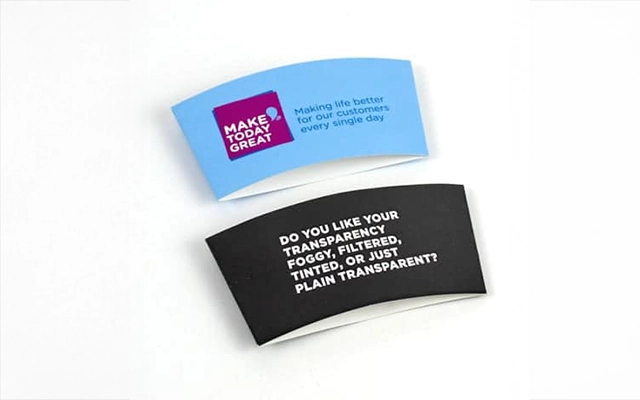
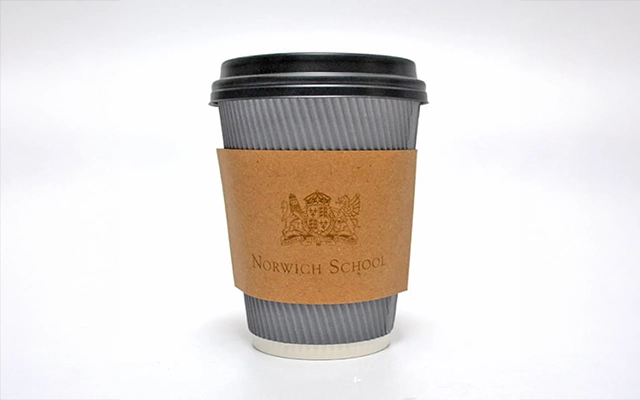
Sustainable packaging options are increasingly in demand. Recycled fibres, certified papers, and eco inks typically cost more due to sourcing and quality control. However, they offer long-term value through:
Some costs do not appear on the initial quote but can affect your total spend:
Taking time to confirm sizes, quantities, and artwork early helps avoid unnecessary expenses.
The real value of coffee sleeves lies in their visibility. Each sleeve acts as a mobile advertisement, seen by hundreds of people as customers travel through workplaces, high streets, and transport hubs.
Example:
Viewing sleeves as part of your long-term brand strategy rather than a packaging cost helps you assess their real value.
Practical cost-saving strategies include:
These steps help control production spend while maintaining a strong professional appearance.
To ensure your sleeves meet both budget and branding needs, review the following:
Preparing this information in advance simplifies the ordering process and reduces the risk of unexpected costs.
If you’re considering custom coffee sleeves for your café or business, now is the ideal time to explore the right materials, finishes, and quantities. By understanding the true cost drivers and planning effectively, you can make confident choices that work for both your budget and your brand identity.

Unit 4-10 Stanton Road Ind. Est.
Stanton Road
Southampton
Hampshire
United Kingdom
SO15 4HU