Swing tags may be small, but they play a powerful role in shaping how customers perceive your products. They introduce your brand, provide essential information, and contribute to the overall unboxing experience. Choosing the best material for retail swing tags is therefore not a simple design decision. It influences durability, sustainability, customer trust, and the perceived quality of your range.
This guide explores the leading swing tag materials used across UK retail, how each option performs, and how to select the most suitable choice based on your brand identity, product sector, and budget.
Swing tags do far more than display a price. The material you choose affects:
A poorly matched material can weaken your brand story, while a considered choice strengthens recognition and trust from the moment customers pick up your product.
Understanding the strengths of each material will help you narrow down the right option for your audience and product category.
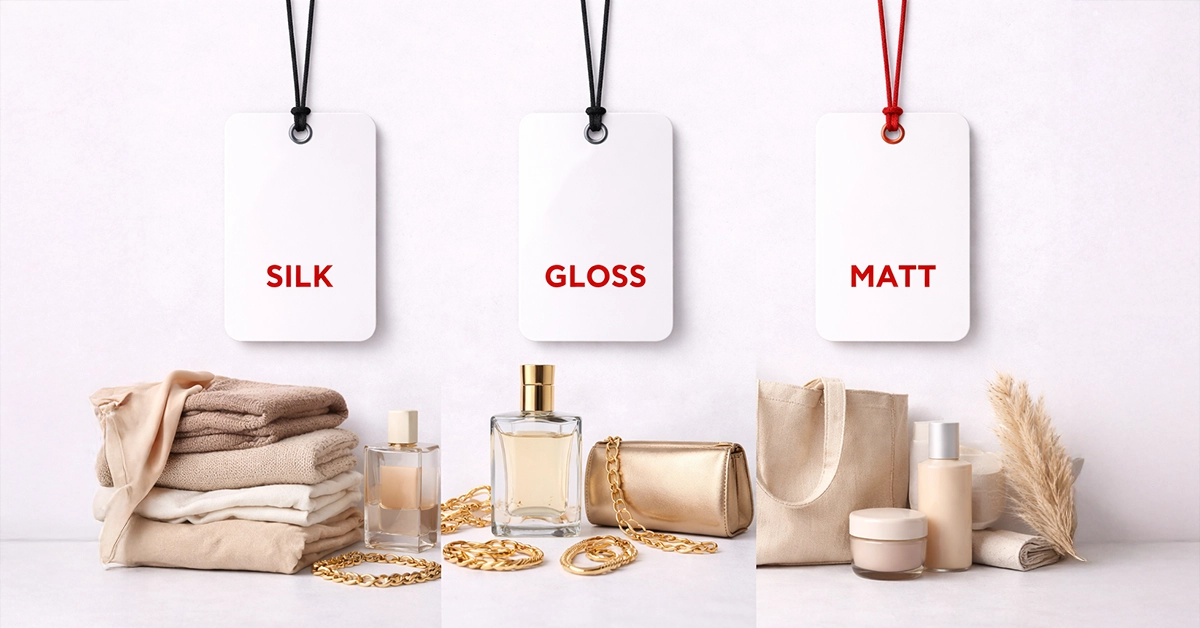
Coated stocks provide a smooth surface and strong print clarity, making them a reliable choice for retail applications.
Advantages:
Points to consider:
Best for: fashion lines, lifestyle brands, product launches requiring vibrant graphics.

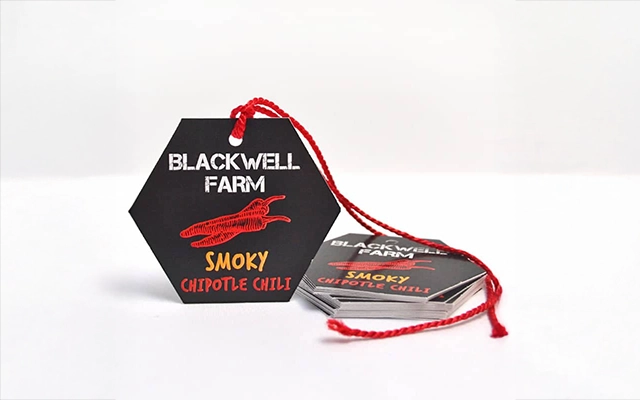
Uncoated materials offer a natural texture and an understated aesthetic.
Advantages:
Points to consider:
Best for: boutique retailers, craft brands, and product lines with a natural or simple identity.
Kraft and recycled materials are highly valued by environmentally conscious audiences.
Advantages:
Points to consider:
Best for: eco brands, natural product ranges, recycled packaging collections.
Premium papers create a tactile connection between product and customer, offering luxury and craftsmanship through texture alone.
Advantages:
Points to consider:
Best for: high-end fashion, gift collections, boutique labels.
Synthetic materials are chosen for functionality rather than aesthetics but perform exceptionally well when durability is a priority.
Advantages:
Points to consider:
Best for: luggage, outdoor gear, sports equipment, and industrial products.
| Material Type | Appearance | Durability | Eco Credentials | Best For |
|---|---|---|---|---|
| Coated Card | Smooth, polished, vibrant print | Strong | Moderate | Retail fashion, high-colour designs |
| Uncoated Card | Natural, matte, tactile | Moderate | Good | Boutique and artisan brands |
| Kraft/Recycled | Rustic, earthy | Moderate | Excellent | Eco-friendly ranges |
| Premium Textured Papers | Luxury, tactile | High | Variable | High-end products |
| Synthetic/Waterproof | Functional, clean | Very high | Low–moderate | Outdoor and heavy-use items |
Choosing the best material for retail swing tags should always support your wider brand story. For example:
Consistency between product, packaging, and swing tags increases overall brand cohesion.
Swing tags experience significant handling in shops and warehouses. To ensure they remain intact:
If your products are regularly tried on, handled, or transported, durability must be a priority.
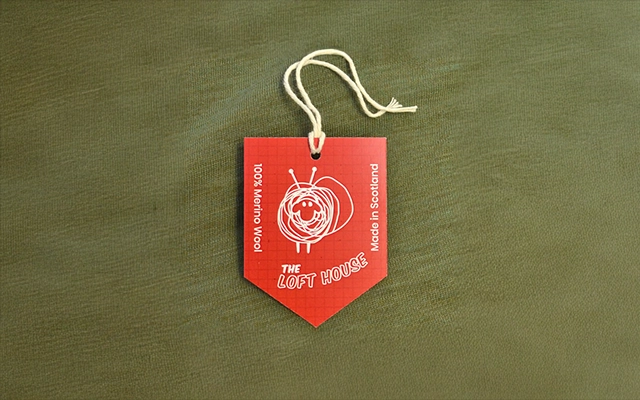
Sustainability continues to influence purchasing behaviour across the UK, with customers increasingly examining packaging choices. Choosing sustainable swing tag materials helps your brand demonstrate environmental responsibility while reducing waste.
Popular eco-friendly options include:
Swing tag finishes can only achieve their intended effect when supported by the right material.
Matching printing technique with material avoids production issues and supports consistent branding.
While costs vary, keep these factors in mind:
If budgets are limited, prioritise sturdiness and clarity over decorative finishes. Sustainable options may also provide cost efficiencies depending on specification.
Different industries naturally lean towards certain swing tag styles. Below is a simple guide:
This alignment creates consistency between product, packaging, and brand message.
Before finalising your design, review the following:
This checklist ensures your decision is informed and aligned with your brand goals.
Selecting the best material for retail swing tags is an opportunity to improve how your products are understood and valued by customers. With the right combination of texture, durability, sustainability, and print quality, swing tags can support your wider brand message and enhance the shopping experience.
If you’re ready to refine your packaging strategy or explore new swing tag materials, now is the ideal time to review your options and create tags that work seamlessly with your product range. Whether you’re focused on luxury finishes, sustainable choices, or high-durability tags, the right material will help you achieve a stronger and more consistent brand presentation.

Unit 4-10 Stanton Road Ind. Est.
Stanton Road
Southampton
Hampshire
United Kingdom
SO15 4HU