Swing tags have become one of the most influential components of product presentation and retail branding in the UK. Once used mainly for prices and product codes, they now help communicate a brand’s story, values, sustainability commitments, and quality. In 2026, retailers across fashion, homeware, gifting and artisan sectors are investing more thought into swing tag design than ever before.
This article explores the major swing tag trends shaping UK retail this year, using current market insight, data, and industry context to reveal how a small packaging detail can make a significant impact on customer perception.
The global hang-tag market continues to grow, supported by a stronger focus on brand experience and packaging sustainability. With more products competing for attention both in-store and online, UK retailers rely on swing tags to:
Research indicates steady growth in the hang-tag market, driven by sustainability expectations and shifting consumer preferences across the UK. As packaging plays a larger role in purchasing decisions, swing tags are now firmly viewed as part of a retailer’s strategic toolkit.
Sustainability remains the most dominant trend in 2026. With environmentally conscious shoppers expecting brands to reduce waste, retailers are increasingly adopting eco-friendly swing tag materials.
Popular sustainable choices include:
These materials support sustainability goals while offering a distinctive natural aesthetic. UK packaging regulations and waste-reduction initiatives reinforce this shift, encouraging brands to prioritise recyclable and responsibly sourced materials.


Clean, simplified design is one of the strongest style movements in 2026. Minimalist swing tags help products appear modern and purposeful while improving readability.
Design elements trending across UK retail include:
Minimalist design supports clarity and gives products a refined, consistent look on the shelf or online.
To complement minimalist layouts, many brands are introducing premium tactile finishes. These finishes strengthen perceived quality, especially at the point of sale or during unboxing.
The most in-demand swing tag finishes in 2026 include:
These tactile features improve customer interaction with the product and help brands express attention to detail.
| Trend | Description | Why It Matters in UK Retail |
|---|---|---|
| Sustainable materials | Recycled, kraft, FSC, compostable options | Supports sustainability expectations and UK packaging compliance |
| Minimalist design | Clean typography, muted colours, structured layouts | Enhances clarity and modern brand appeal |
| Premium finishes | Foil, embossing, textured stock | Adds tactile quality and supports premium positioning |
| Smart tags | QR codes, NFC links, digital storytelling | Connects offline products with digital engagement |
| Creative shapes | Die-cut, circular, folded formats | Helps products stand out in crowded retail spaces |
Technology integration is transforming how swing tags function. QR codes are now widely used across UK retail categories, providing instant access to:
More brands are exploring NFC technology to improve interaction and prepare for upcoming Digital Product Passport requirements. This movement supports transparency and helps customers make informed decisions.
To stand out visually, brands are adopting more unusual formats that reflect personality and reinforce product positioning. These formats include:
These creative approaches allow retailers to differentiate products and create a memorable first impression.

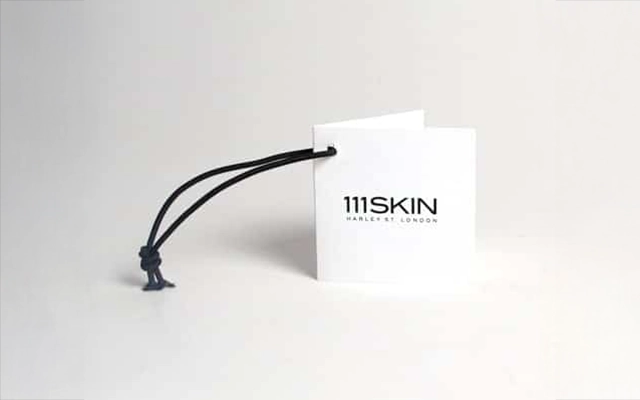
Swing tags are particularly valuable for independent makers and smaller UK businesses. Well-designed tags help smaller brands appear polished and reliable, even when producing batches in lower volumes.
Independent retailers often use swing tags to:
Effective swing tags can help smaller brands compete with larger retailers by reinforcing trust, consistency and professional presentation.
While swing tags create opportunities for stronger branding, there are several considerations to address:
Brands that balance creativity with practicality achieve the best long-term results.
Looking ahead, several developments are likely to gain traction across UK retail:
As packaging expectations change, swing tags will continue to support storytelling, compliance and customer engagement.
In 2026, swing tags are key components of retail branding, helping UK retailers communicate values, quality and transparency at a glance. Whether focusing on sustainability, digital engagement or premium finishes, the right swing tag design strengthens customer trust and enhances product presentation.
If you are reviewing your packaging for 2026, now is an ideal time to consider new swing tag materials, design concepts and interactive features. Each detail within your tag can support your wider brand story and offer customers a more engaging, meaningful retail experience.

Unit 4-10 Stanton Road Ind. Est.
Stanton Road
Southampton
Hampshire
United Kingdom
SO15 4HU