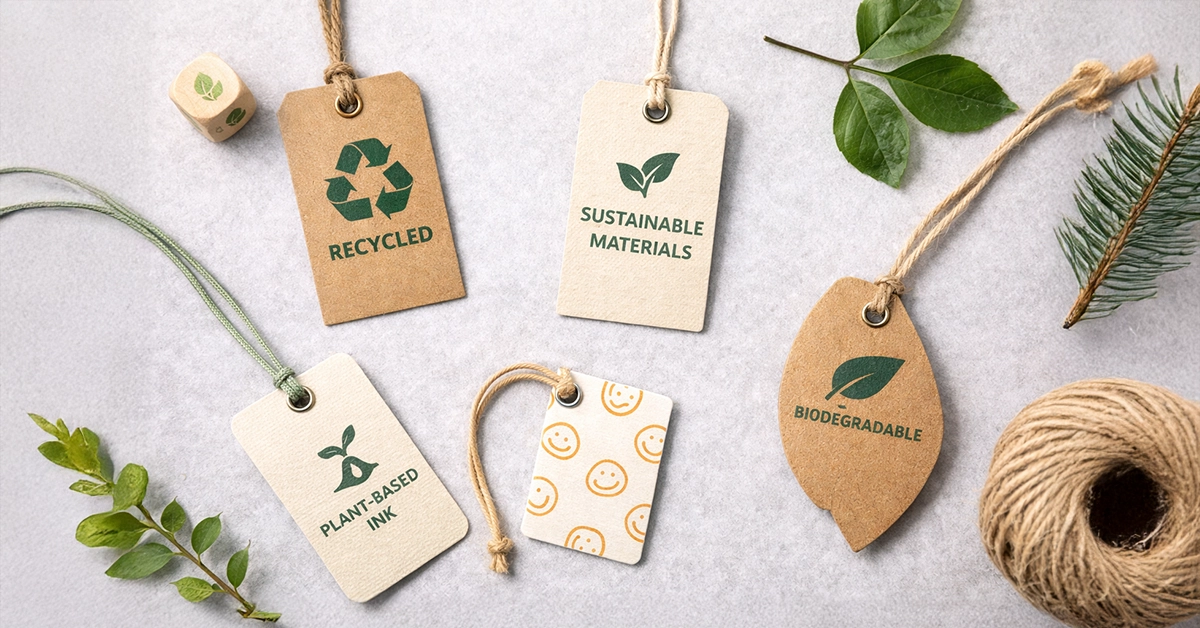
Sustainability is a growing priority across UK retail, fashion and product manufacturing. Consumers increasingly expect brands to demonstrate environmental responsibility, and even small items such as custom swing tags contribute to a product’s overall footprint. Produced in high volumes, these tags have a measurable impact on waste, materials usage and recyclability.
This guide explains what defines sustainable swing tag printing, how to select eco-friendly options, and what buyers should look for when assessing materials, finishes and processes. Whether you are updating your packaging strategy or refining your brand story, understanding these choices helps you make responsible, informed decisions.
Sustainable swing tag printing focuses on reducing environmental impact throughout the tag’s entire lifecycle. Core principles include:
When applied together, these elements support greener packaging and more credible sustainability claims.
Recycled stocks reduce the need for virgin fibre and help divert waste from landfill. They suit most design styles, from minimalist branding to earthy, textured finishes.
FSC certification confirms that paper originates from responsibly managed forests. This provides additional reassurance for environmentally conscious buyers and aligns with UK sustainability expectations.
Compostable materials offer a natural end-of-life route, breaking down without releasing harmful substances.
Kraft paper is durable, naturally textured and biodegradable, making it an excellent option for brands leaning towards an organic or eco-centred aesthetic.


Materials are only one part of the sustainability story. The printing stage also influences environmental performance.
These inks reduce reliance on petroleum, contain fewer volatile organic compounds, and support easier recycling.
Modern techniques can lower chemical use and water consumption, helping brands minimise their indirect environmental impact.
Efficient print workflows, responsible waste handling and renewable energy use all contribute to cleaner production processes.
Finishes affect both visual appeal and environmental performance. Sustainable finishing options include:
Avoid laminates, plastic coatings and heavy foils, as these hinder recyclability and increase material waste.
| Category | Sustainable Option | Environmental Benefit | Notes |
|---|---|---|---|
| Material | Recycled paper | Reduces virgin fibre use | Suitable for most designs |
| Material | FSC-certified stock | Supports responsible forestry | Trusted certification |
| Ink | Vegetable-based inks | Lower emissions, recyclable | Versatile for various finishes |
| Finish | Water-based coatings | Low toxicity, recyclable | Avoid plastic laminates |
| Attachment | Cotton, hemp, jute, paper string | Fully biodegradable | Strong alternative to plastic |
| Design | Minimal ink coverage | Reduces chemical use | Improves recyclability |
Attachments are often the least considered part of a swing tag, yet they play an important role in recyclability.
Better choices include:
Avoid plastic fasteners or mixed-material attachments, as these complicate recycling and introduce unnecessary waste.
Credible certifications help brands verify sustainability claims and maintain transparency.
Look for:
These details strengthen consumer trust and support brand authenticity.
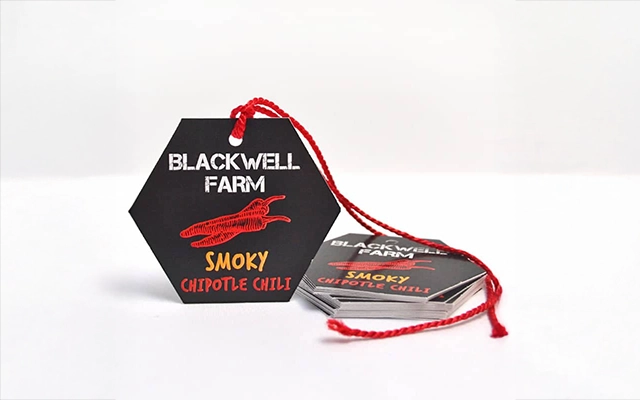

Thoughtful design ensures the tag is not only attractive but also environmentally responsible.
Before placing an order, consider asking questions such as:
Transparent answers indicate a forward-thinking and environmentally conscious supplier.
Sustainable printing technology continues to advance, with innovations in recyclable substrates, biodegradable adhesives and low-impact finishing processes. As brands prioritise circularity and environmental accountability, swing tags represent a simple yet meaningful opportunity to demonstrate responsible practice.
If your brand is moving towards greener packaging or updating its environmental commitments, sustainable swing tags offer an immediate and impactful improvement. Review your current material choices, explore eco-friendly print options and implement designs that support recyclability and responsible sourcing.
Thoughtful decisions today help build a more sustainable future for UK retail and manufacturing.

Unit 4-10 Stanton Road Ind. Est.
Stanton Road
Southampton
Hampshire
United Kingdom
SO15 4HU