Choosing the right custom printed box design is essential for protecting products, streamlining fulfilment, and ensuring consistent presentation in retail and ecommerce. With so many structures available, the decision can feel overwhelming. The FEFCO system simplifies this process by providing a universal way to identify corrugated box styles used across the UK and Europe.
This guide explains the most common FEFCO codes, how different structures perform, and which formats best suit various sectors. It is designed to support packaging buyers, designers, procurement teams, and UK businesses looking to improve their packaging decisions with confidence.
FEFCO codes act as internationally recognised identifiers for corrugated packaging designs. Instead of relying on technical drawings or manufacturer-specific language, the system assigns each structure a standardised numeric code. This ensures clear communication between teams, faster decision-making, and consistent production outcomes.
Using FEFCO codes helps UK businesses:
The system is maintained by the European Federation of Corrugated Board Manufacturers and is widely used throughout the packaging industry.
For additional background on corrugated sustainability, readers can refer to UK organisations such as WRAP, which reports recycling rates above 80% for cardboard.
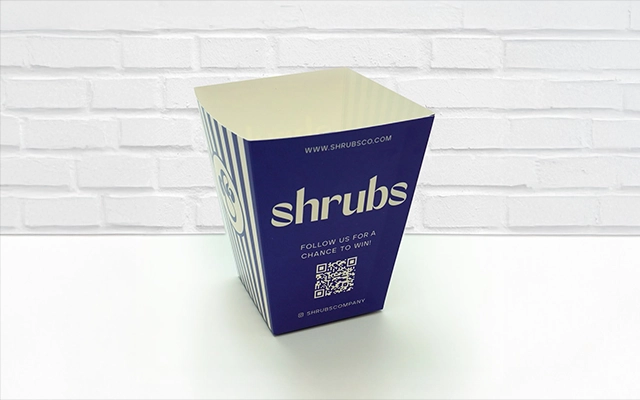
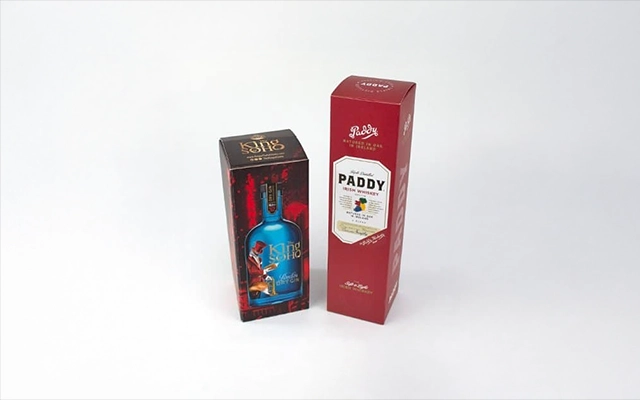
Each FEFCO code belongs to a structural family. Understanding these groups makes it easier to compare similar designs and choose the right format for your products.
Flexible formats used for product wrapping, protective layers, and custom die-cut layouts.
The most common group for shipping and warehousing. These designs feature flaps that meet or overlap, offering cost-effective strength and space efficiency.
Two-part structures with a lid and base that slide together. Useful for fragile products requiring extra height and edge protection.
Cut from a single piece of board and folded around the product. Common in ecommerce due to their presentation quality and snug fit.
This includes slide boxes, rigid designs, ready-glued cartons, and internal fitments that support, cushion, or separate items within outer packaging.
Understanding popular styles can help you make informed choices more quickly.
Ideal for general shipping, warehouse storage, and wholesale distribution.
Ideal for products requiring impact protection or high stacking strength.
Ideal for subscription products, frequent dispatch workflows, and fragile retail items.
Ideal for cosmetics, electronics, curated gifts, and high-value retail goods.
Not all corrugated boxes perform the same. Strength, durability, and fulfilment efficiency are influenced by several factors:
These considerations help determine whether a packaging choice will protect the product effectively and support operational efficiency.
| FEFCO Code | Structure Type | Key Strengths | Ideal Applications |
|---|---|---|---|
| 0201 | Standard slotted carton | Reliable, cost-efficient | Shipping, storage, bulk packing |
| 0203 | Full overlap carton | Increased strength and stability | Heavy items, fragile goods |
| 0427 | Crash-lock base | Fast assembly, secure base | Ecommerce, subscription boxes |
| 0711 | Self-locking mailer | Premium look, protective | Retail products, electronics |
| 03 Series | Telescope boxes | Adjustable height, added protection | Artwork, delicate goods |
Different sectors require different structural strengths, assembly speeds, and presentation qualities.
Crash-lock bases and self-locking mailers are common choices.
Die-cut folder-style boxes provide both protection and branding options.
Full-overlap cartons or boxes with internal fitments help protect delicate components.
0427 and 0711 formats offer speed, strength, and consistent customer experience.

Corrugated packaging is among the most sustainable materials used in UK supply chains. WRAP reports recycling rates above 80 percent, with strong circularity and low contamination levels.
Choosing an appropriate structure can also reduce environmental impact by:
Using the correct FEFCO style helps businesses avoid over-specifying packaging and wasting resources.
Cost efficiency in packaging depends on more than board grade. Key factors include:
Finding the balance between performance and cost is essential for long-term savings.
Real-world packaging improvements often follow a similar pattern:
These examples show how structure selection affects performance, labour efficiency, and customer satisfaction.
Before choosing or updating your packaging, consider the following:
This checklist ensures decisions support both product protection and wider business requirements.
Understanding the key FEFCO codes gives you the knowledge to make packaging decisions that truly support your products and operations. By choosing structures tailored to performance, presentation, and sustainability, you can improve protection, reduce waste, and streamline fulfilment.
If you want expert guidance on selecting the right FEFCO style or exploring custom packaging solutions, now is the perfect time to take the next step. Review your current packaging range and identify where improved structures could support your goals, customer experience, or operational efficiency.

Unit 4-10 Stanton Road Ind. Est.
Stanton Road
Southampton
Hampshire
United Kingdom
SO15 4HU