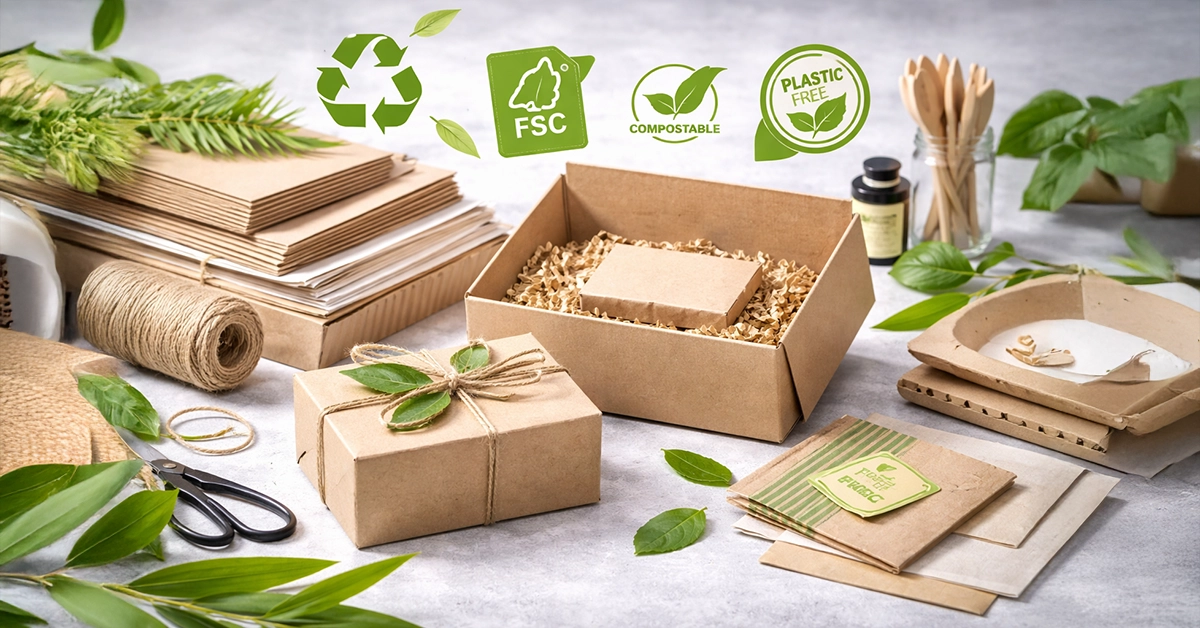
Sustainable box printing has become essential for UK brands aiming to reduce environmental impact, comply with changing regulations, and respond to shifting consumer expectations. Businesses are expected to use materials that minimise waste, support recyclability, and align with genuine sustainability practices rather than marketing claims.
However, sustainability remains widely misunderstood. Terms like recyclable, biodegradable, compostable, and reusable are often misused, making it difficult for businesses to choose materials that truly work within the UK waste system. This guide provides practical insight into sustainable packaging materials, certifications, and disposal routes, helping organisations make informed decisions that support both environmental and commercial goals.
Sustainable packaging focuses on reducing environmental impact throughout the entire product lifecycle, from raw materials to disposal. To achieve this, packaging must fit with the UK’s established waste infrastructure and support realistic recycling or composting pathways.
Key terms to understand:
A clear understanding of these definitions helps businesses avoid misleading claims and invest in materials that perform well in real-world conditions.
UK businesses now face stricter regulatory requirements that directly influence packaging decisions.
The Extended Producer Responsibility (EPR) scheme shifts the financial responsibility of packaging waste to producers. Businesses must report packaging data accurately, label packaging correctly, and prioritise materials that support high recycling rates.
The Plastic Packaging Tax (PPT) applies to plastic packaging with less than 30 percent recycled content, encouraging the use of recycled polymers and reducing reliance on virgin plastics.
At the same time, UK consumers increasingly prefer brands that reduce packaging waste and use clear, responsible materials. Sustainable packaging not only supports compliance but also helps build brand trust and long-term customer loyalty.
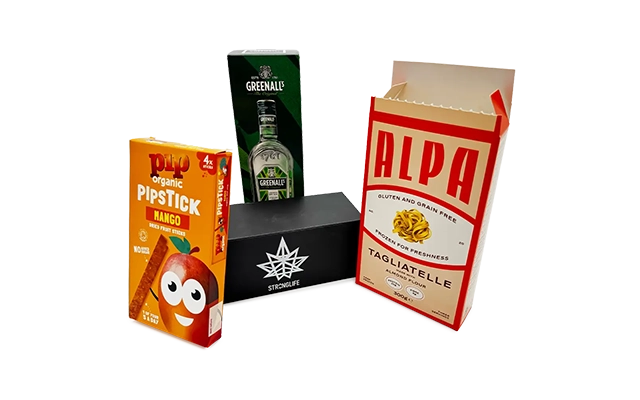
Choosing the right materials is essential for balancing sustainability, performance, and cost. Below is an overview of the most effective and practical sustainable packaging materials used in the UK today.
Paper and cardboard remain among the most sustainable packaging options due to their high recyclability and strong consumer acceptance.
Advantages
Limitations
For best results, businesses should choose mono-material structures and minimal coatings to keep recycling straightforward.
Recycled plastics are valuable for businesses that require durability, transparency, or barrier performance.
Advantages
Limitations
Using recycled content helps reduce carbon impact while maintaining product protection.
Bioplastics such as PLA and PHA are often marketed as eco friendly, but their actual disposal routes can be limited.
Key considerations
Correct labelling is essential to prevent contamination in recycling systems.
Compostable materials can be effective when used in the right setting, especially for food waste systems or single-use catering items.
Types
Despite their eco friendly appeal, many UK councils do not accept compostable packaging in kerbside food waste collections. Businesses must ensure that disposal aligns with local capabilities to avoid contamination.
| Material Type | Typical Certifications | Recyclability in UK | Compostability | Key Considerations |
|---|---|---|---|---|
| Paper & Cardboard | FSC, PEFC, OPRL | Widely recycled | No | Avoid plastic coatings; use clear disposal labelling |
| rPET / rHDPE | OPRL | Widely recycled | No | Supports PPT exemption and reduces carbon impact |
| Bioplastics (PLA, PHA) | EN 13432, OK compost | Not recyclable | Industrial compostable | Limited UK composting infrastructure |
| Compostable Materials | OK compost HOME / INDUSTRIAL | Not recycled | Yes | Must not enter recycling streams |
| Aluminium | OPRL | Widely recycled | No | High recovery rate and strong circularity |
| Glass | OPRL | Widely recycled | No | Heavy material with higher transport emissions |
Certifications add credibility to packaging claims, helping both businesses and consumers trust the materials they use.
These certifications verify that paper and board products come from responsibly managed forests. They support ethical sourcing and ensure supply chain transparency.
OPRL provides clear disposal instructions such as Recycle, Do Not Recycle, or Check Locally. Businesses using these labels help reduce recycling contamination and improve consumer compliance.
Learn more about OPRL guidance here.
These marks indicate composting requirements but do not guarantee council collection. Clear communication is essential to prevent misuse.

Standards such as PAS 2060 and lifecycle assessment data offer insight into the total environmental impact of packaging.
A sustainable material must be compatible with the UK’s waste infrastructure. Understanding real disposal routes helps businesses prevent contamination and improve recyclability.
These materials are typically the most reliable for businesses aiming for strong sustainability performance.
Using these materials requires clear disposal guidance or alternative waste streams.
To support recycling efficiency, businesses should:
When assessing which packaging to use, businesses should consider:
Packaging decisions should align with both brand values and practical waste management realities.
Small improvements can deliver significant environmental benefits.
These steps help reduce waste and improve environmental performance across your packaging range.
Misconceptions can lead to poor material choices and higher environmental impact.
Understanding the real-world behaviour of materials helps businesses avoid costly mistakes.
Successful approaches often involve simple, well-planned changes such as:
These examples show that sustainability is best achieved through practical, thoughtful design rather than complex or experimental materials.
Sustainable packaging plays a vital role in regulatory compliance, environmental responsibility, and consumer trust. By choosing the right materials, understanding disposal routes, and using certifications correctly, businesses can significantly reduce their environmental impact.
Now is the ideal time to review your packaging choices, improve recyclability, and ensure you are prepared for upcoming EPR requirements. Clear, responsible design decisions will help your organisation minimise waste and support long-term sustainability goals.
If you are planning improvements to your packaging strategy, start by assessing your current material mix, reviewing sustainability certifications, and mapping out how each component fits into the UK waste system. By taking thoughtful steps today, you can build packaging that performs well for your business, your customers, and the environment.

Unit 4-10 Stanton Road Ind. Est.
Stanton Road
Southampton
Hampshire
United Kingdom
SO15 4HU