Custom box printing finishes can transform a standard printed box into something visually striking, memorable, and aligned with your brand’s identity. In today’s competitive retail and ecommerce markets, these finishing touches can influence whether a product gets noticed, feels premium, or withstands the demands of handling and delivery. Understanding how each finish works and when to use it is essential for brands seeking both visual impact and practical performance.
This guide explores the most effective finishes for printed boxes, showing how lamination, foil, spot UV, and embossing can strengthen your packaging strategy.
Finishes do far more than provide decoration. They support brand perception, enhance user experience, and protect the print surface. A strategic finishing choice can:
Industry studies in packaging and print consistently show that tactile finishes can improve brand recall by more than 20 percent, demonstrating how crucial these sensory details are for customer engagement.
Lamination adds a protective film over printed board and is widely used across retail, gifting, and e-commerce packaging. It supports colour accuracy, improves durability, and gives boxes a premium look and feel.
Gloss lamination enhances vibrancy and adds shine, making colours appear richer. It’s effective for:
Matte lamination creates a smooth, understated finish with reduced reflection. It is widely used for:
Soft-touch lamination adds a velvet-like feel that encourages interaction. Ideal for:
Demand for tactile laminates continues to grow, particularly in sectors where perceived quality influences purchase decisions.
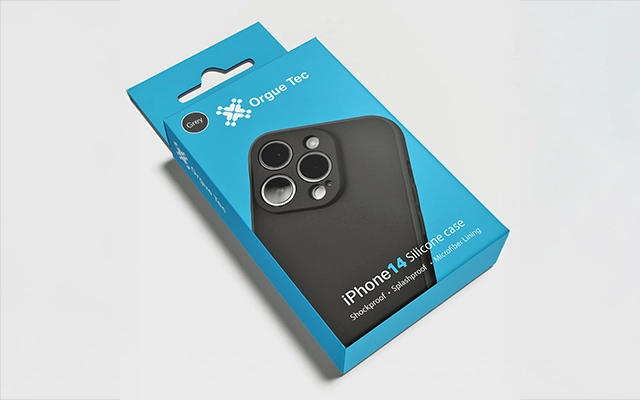

Foil stamping applies metallic or pigmented foil to selected areas of a box to create a high-impact visual effect. It can bring a premium finish to packaging without overwhelming the artwork.
Foil is particularly effective for:
A wide spectrum of foil shades is now available, from traditional metallics to holographic and custom colours.
Foil used in normal quantities is typically still recyclable, making it a responsible choice when applied selectively and combined with paper-based substrates.
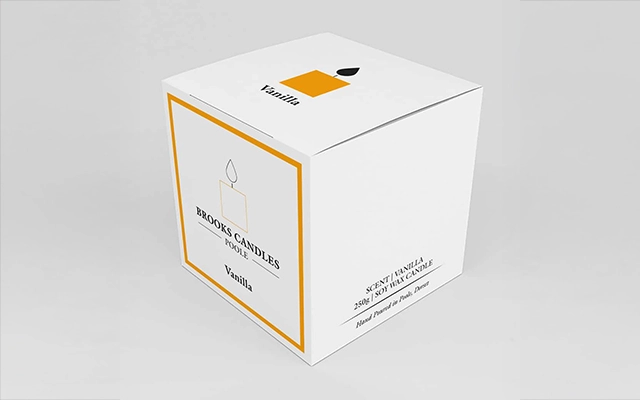
Spot UV applies a UV-cured coating to chosen areas, creating contrast, shine, or texture. It is a versatile finishing option that enhances detail without drastically increasing production cost.
Research into visual packaging behaviour indicates that contrast finishes such as spot UV can increase on-shelf attention by up to 45 percent.
| Finish Type | Visual Effect | Tactile Effect | Best For | Durability | Recyclability Notes |
|---|---|---|---|---|---|
| Gloss Lamination | Bright, reflective | Smooth | FMCG, vibrant retail packaging | High | Recyclable on paperboard |
| Matte Lamination | Premium, non-reflective | Smooth | Cosmetics, minimalist luxury | High | Recyclable depending on laminate film |
| Soft-Touch Lamination | Soft sheen | Velvety | Gift packaging, high-end retail | Good | Dependent on material composition |
| Hot Foil | Metallic and reflective | Slight indentation | Premium branding | Very good | Recyclable in common volumes |
| Cold Foil | Metallic detail | Smooth | High-volume production | Good | Recyclable in most waste streams |
| Spot UV | Gloss or matte accents | Optional raised texture | Logos, design highlights | Good | Fully recyclable |
| Embossing/Debossing | Raised or recessed design | Strong tactile impression | Luxury branding | Excellent | Fully recyclable |
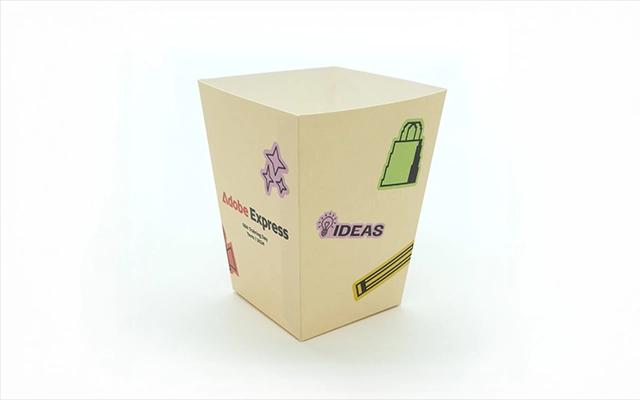
Embossing raises areas of the board, while debossing presses them down. Both techniques contribute significantly to brand identity through tactile interaction.
These finishes help customers associate packaging with craftsmanship and attention to detail.
As consumer expectations around sustainability grow, brands are seeking finishes that balance visual appeal with environmental responsibility.
Embossing raises areas of the board, while debossing presses them down. Both techniques contribute significantly to brand identity through tactile interaction.
These finishes help customers associate packaging with craftsmanship and attention to detail.
As consumer expectations around sustainability grow, brands are seeking finishes that balance visual appeal with environmental responsibility.
Choosing materials that align with sustainability goals strengthens brand trust and supports responsible production.
Each sector has unique requirements for performance and visual appeal.
Finishing choices affect both budget and turnaround times. Understanding these variables early helps ensure smooth production.
Working with a knowledgeable print provider ensures designs, timelines, and budgets remain aligned from the outset.
Across retail, gifting, and ecommerce, brands use finishes strategically to reinforce product positioning:
These examples illustrate how finishes serve both functional and visual roles in packaging design.
Lamination, foil, spot UV, and embossing offer a versatile range of visual and tactile effects that shape how customers perceive your products. When chosen carefully, finishes improve durability, reinforce brand identity, and support sustainability goals. Understanding the strengths of each option allows businesses to create packaging that performs well in transit while making a strong visual impression.
If you’re planning a packaging refresh or preparing a new product launch, now is the ideal time to explore how different finishes can support your brand message. Request samples, test material combinations, and speak with your print specialist to ensure your chosen finishes deliver both style and performance.

Unit 4-10 Stanton Road Ind. Est.
Stanton Road
Southampton
Hampshire
United Kingdom
SO15 4HU