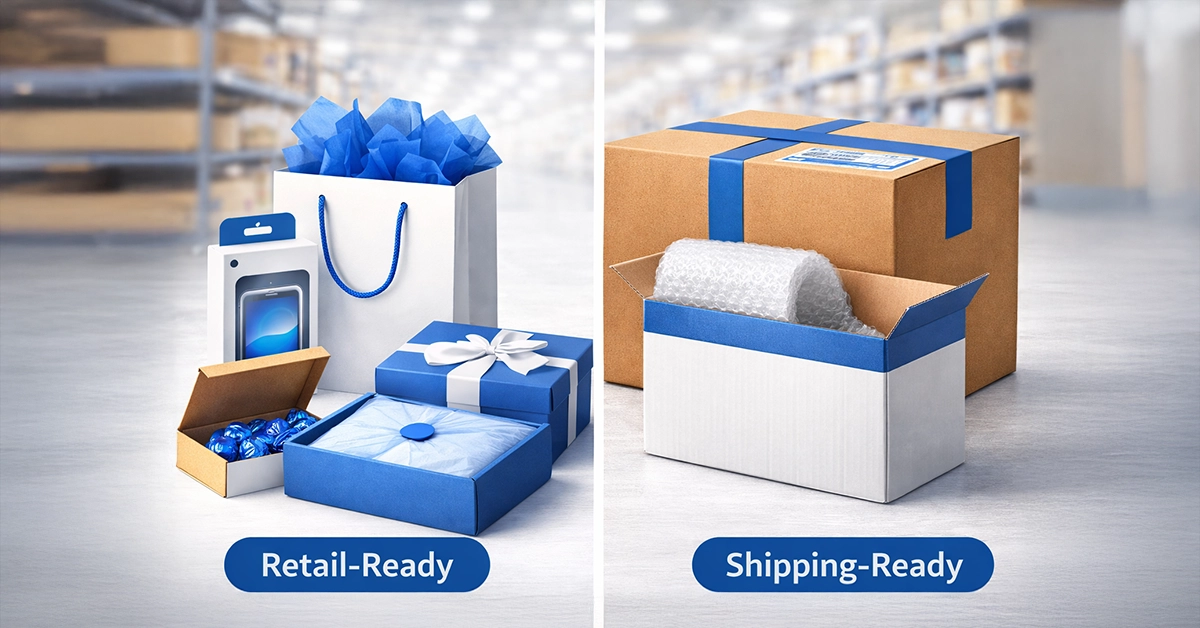
Custom box printing has become a strategic part of retail, logistics, and e-commerce in the UK. The type of packaging chosen influences supply-chain performance, product protection, sustainability compliance, merchandising efficiency, and customer experience. Understanding the difference between retail-ready and shipping-ready packaging helps businesses reduce waste, protect stock, and support both online and in-store sales channels.
This guide explores how each packaging type works, where each performs best, and how buyers can select the right format for their products.
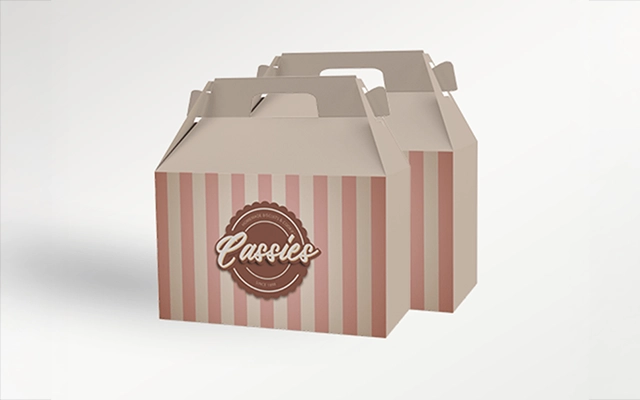
Retail-ready packaging, often referred to as shelf-ready packaging, is designed to go directly from delivery to the display shelf. This format supports rapid replenishment and improved merchandising in high-traffic retail environments.
Key characteristics include:
Retail-ready packaging is widely used in supermarkets, convenience stores, and FMCG categories where stocking speed, shelf appearance, and shopper convenience heavily influence sales.

Shipping-ready packaging prioritises protection. Whether products move through warehouse networks, courier systems, or distribution centres, this packaging is designed to withstand impacts, stacking pressure, and unpredictable handling conditions.
Key features include:
This packaging is essential for ecommerce fulfilment and wholesale logistics, where goods often travel through multiple operational stages before reaching the customer.
Although both formats often use corrugated materials, their priorities differ significantly.
| Feature / Requirement | Retail-Ready Packaging | Shipping-Ready Packaging |
|---|---|---|
| Primary Purpose | In-store display and fast shelf stocking | Protection during transport |
| Structural Features | Tear strips, display trays, printed branding | Strong walls, inserts, cushioning |
| Best For | Supermarkets, convenience, merchandising | Ecommerce, warehousing, long-distance transit |
| Main Operational Benefit | Reduces labour and handling time | Reduces product damage and returns |
| Protection Level | Moderate | High |
| Sustainability Notes | Often single-material; minimal waste on arrival | Must reduce unnecessary infill while ensuring durability |
| Design Focus | Shopper access and visibility | Secure, stable, protective transport |
Effective retail-ready packaging follows the “Five Easies”, a framework used throughout UK retail to improve operational efficiency.
This framework helps brands design packaging that performs well under both operational and shopper-focused demands.
Retail-ready packaging provides several operational and merchandising benefits.
With products arriving in display-ready units, staff can stock shelves in less time, which is particularly valuable during busy trading periods.
Printed trays and display structures help brands stand out and create consistency across the aisle. This can support quicker decision-making for shoppers.
Retailers can replenish products quickly, helping to reduce out-of-stock issues during peak demand.
Most retail-ready packaging uses corrugated board, which is widely recycled across the UK, making it a practical choice for stores focused on managing waste efficiently.
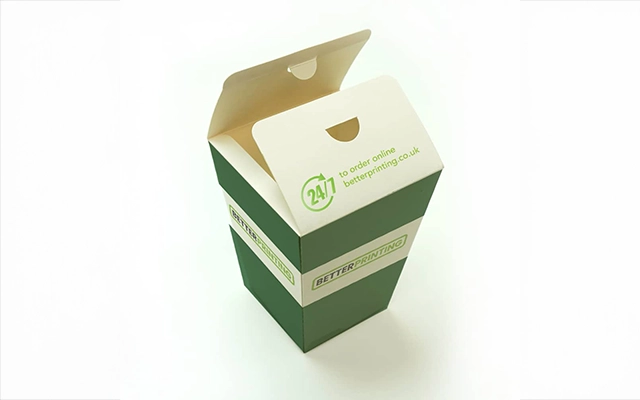
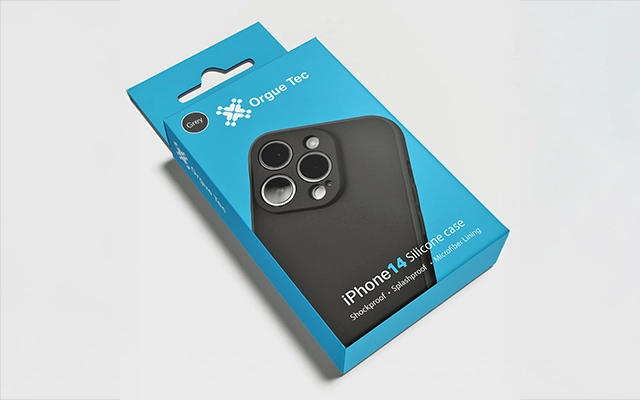
Shipping-ready packaging supports safe and consistent delivery across complex transport routes.
Its structural strength helps safeguard products through courier systems, reducing transit damage and returns.
With the rise of online purchasing, this packaging type adapts easily to pick-and-pack operations and can be designed to minimise excess void space.
Strong, stable packaging ensures pallets remain intact and goods survive automated sorting, stacking, and manual handling.
Many e-commerce boxes can be designed with return-friendly closures, helping businesses reduce waste and streamline returns.
Selecting the wrong packaging type can create operational challenges. Common pitfalls include:
Being aware of these risks helps businesses choose packaging that supports both performance and cost efficiency.
To make an informed choice, assess your product and supply chain using the criteria below:
This approach ensures packaging supports both operational efficiency and customer expectations.
With UK Extended Producer Responsibility reforms and rising sustainability expectations, packaging decisions must consider environmental impact.
Key considerations include:
Both retail-ready and shipping-ready formats can support sustainability targets when designed responsibly.
As retail and e-commerce continue to converge, hybrid packaging solutions are becoming increasingly relevant.
Emerging trends include:
These developments highlight how packaging is adapting to the future of UK retail and supply-chain operations.
Choosing the right packaging is about more than functionality. It affects product protection, shopper engagement, sustainability performance, and cost control. Whether you opt for retail-ready or shipping-ready packaging, the best solution is the one that aligns with your product requirements, sales channels, operational goals, and environmental commitments.
If you want to refine your packaging approach across retail or ecommerce channels, start by reviewing your current materials, operational needs, and environmental targets. From there, explore packaging solutions that support smoother logistics, stronger merchandising, and more responsible material use. Should you want assistance creating packaging that works harder for your product and brand, support is available whenever you are ready.

Unit 4-10 Stanton Road Ind. Est.
Stanton Road
Southampton
Hampshire
United Kingdom
SO15 4HU