
Choosing the right packaging board grade is essential for protecting products, managing costs and creating a positive customer experience. Selecting the wrong specification can lead to damaged goods, higher courier charges and wasted materials. The right choice supports branding, improves sustainability and enhances overall packaging performance.
This guide explains how packaging board grades work, how flute types differ and how to select the most suitable grade for box printing across retail, ecommerce and heavy-duty shipping. You will also find a reference table to help you compare grades at a glance.
Packaging board grades refer to the structure and materials used to make corrugated packaging. Each grade is defined by:
A standard board grade code such as 125K/B/125T indicates a 125 gsm Kraft outer liner, a B-flute core, and a 125 gsm Test inner liner.
Kraft liners offer strength and a clean print surface, while Test liners use recycled fibres and support sustainable material choices. Understanding these components makes it easier to select a board that matches your product, budget and shipping needs.
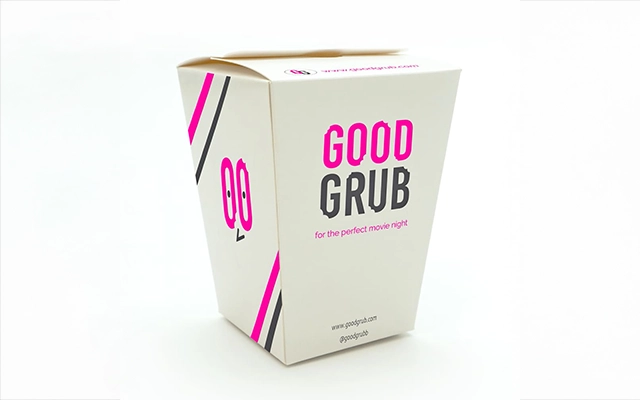
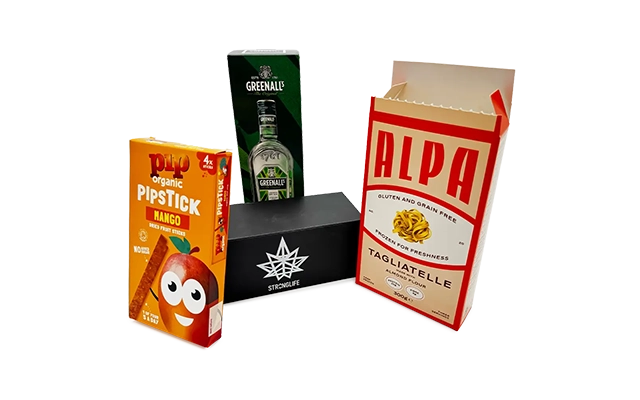
Flute types play a major role in determining box strength, cushioning and appearance. The most common flute profiles include:
When selecting a flute type, always consider the product’s fragility, weight and shipping conditions.
Retail packaging must look professional while keeping products secure. The most suitable board grades depend on print quality, shelf presentation and handling requirements.
For most retail packaging applications:
E-commerce packaging must withstand repeated handling, courier transport and automated sorting. Selecting the correct board grade depends on product weight, fragility, order composition and delivery distance.
Typical e-commerce recommendations include:
Using stronger packaging where necessary helps reduce damage, returns and customer dissatisfaction.
| Board Grade Type | Typical Flute | Suitable For | Key Benefits |
|---|---|---|---|
| Single-wall (retail) | E-flute | Printed cartons, cosmetics, lightweight products | High print quality, slim profile |
| Single-wall (ecommerce) | B-flute | Clothing, books, everyday parcels | Versatile and cost-effective |
| Single-wall (heavy retail) | C-flute | Bulkier retail packs | Higher compression strength |
| Double-wall | BC flute | Fragile goods, multi-item cartons | Strong cushioning and durability |
| Triple-wall | Mixed flutes | Large or industrial goods | Maximum load resistance |
Fragile or high-value products require additional protection. Double-wall or triple-wall construction is recommended for:
These grades perform well during long-distance transport and warehouse stacking, reducing the risk of damage.
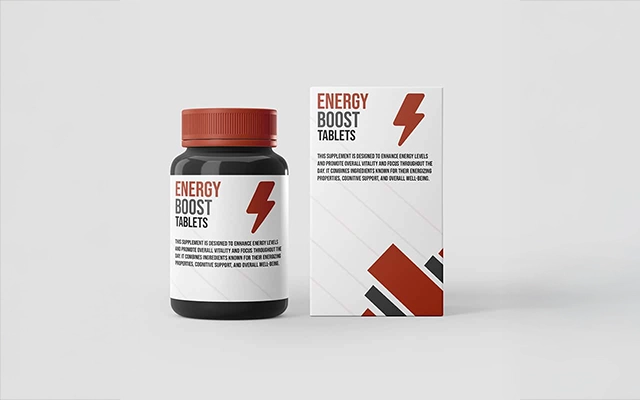

Packaging choices must also reflect environmental considerations and regulatory requirements. Board grade selection affects recycled content, material weight, waste levels and consumer perception.
In the UK, Extended Producer Responsibility (EPR) rules require businesses to report packaging materials and weights accurately. Selecting lighter, recycled or responsibly sourced board grades supports compliance and reduces environmental impact.
Over-specifying packaging increases costs and shipping weight, while underspecifying leads to damage and returns. The best approach balances protection with efficiency.
Key factors to consider include:
A structured review of these factors helps reduce unnecessary material use while maintaining reliable performance.
Packaging plays a significant role in customer perception, particularly for e-commerce brands. Board grade influences print clarity, surface smoothness and the overall feel of the packaging.
E-flute provides excellent print definition, Kraft liners support a natural and sustainable aesthetic, and white liners create crisp, premium visuals. Choosing the right combination enhances unboxing and reinforces brand identity.
Reviewing these points helps identify the most suitable board grade for your application.
Selecting the right packaging board grade improves protection, supports branding, reduces waste and helps manage costs. Reviewing your current specifications and making targeted adjustments can lead to meaningful improvements in performance, customer satisfaction and long-term efficiency.

Unit 4-10 Stanton Road Ind. Est.
Stanton Road
Southampton
Hampshire
United Kingdom
SO15 4HU