Custom printed boxes play a significant role in shaping brand experience, protecting products, and supporting efficient logistics. Many UK businesses, however, struggle to understand why packaging costs vary so much or how to plan a realistic budget. With rising material prices, tighter supply chains, and increasing demand for branded packaging, clarity around cost structure is now essential.
This guide explains the key factors affecting the price of custom printed boxes, explores the wider UK market influences, and offers practical budgeting strategies to help businesses make informed decisions.
Understanding the main cost drivers will help you select packaging that meets both budget and performance needs.
Material selection has one of the strongest impacts on cost. Considerations include:
Premium or thicker grades will cost more, while lighter boards reduce spend but may limit durability.
Size determines how much board is used and how efficiently boxes run on production machinery. Structural design also affects cost:
Accurate sizing not only controls material costs but also supports better storage and shipping efficiency.
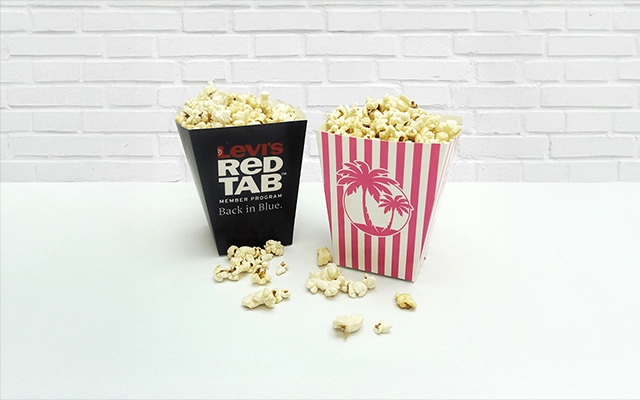
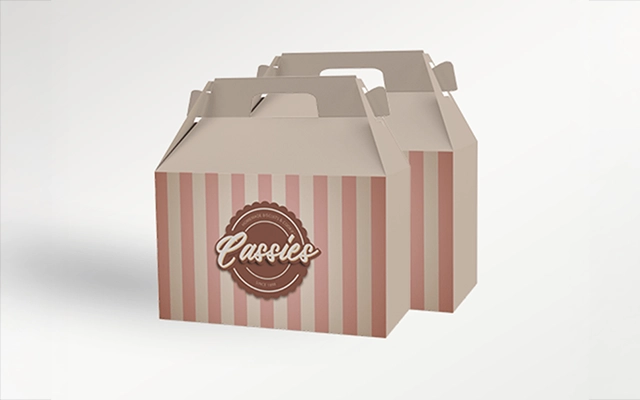
Your choice of printing method affects both quality and budget:
Full-coverage artwork, multiple colours, and internal printing add to the overall cost.
Additional finishes contribute to visual impact but increase production time and expense. Popular options include:
Using these selectively ensures you stay within budget while still achieving a high-quality presentation.
To protect products and enhance presentation, businesses frequently add internal components such as:
These contribute to branding and safety but should be planned early to avoid unexpected cost increases.
Custom packaging typically requires:
Smaller orders carry higher per-unit costs because setup fees cannot be distributed across a large batch. Adjusting MOQ expectations early helps avoid misalignment between budget and production requirements.
Beyond design and material choices, wider economic and regulatory conditions directly impact packaging budgets.
The UK packaging sector continues to face:
These pressures have contributed to steady material price increases over recent years.
Packaging production requires both skilled labour and energy-intensive machinery. Key cost contributors include:
These operational elements form a significant portion of total production expenditure.
As businesses move towards recyclable, compostable, and responsibly sourced materials, some packaging specifications may see cost adjustments. Preparing for regulatory updates, including sustainability reporting requirements, helps brands avoid last-minute changes.
| Cost Driver | Impact on Price | Notes |
|---|---|---|
| Material grade | High impact | Premium and stronger boards increase total cost |
| Box size | High impact | Larger dimensions raise both manufacturing and shipping costs |
| Print method | Medium to high | Multi-colour and lithographic printing increase spend |
| Finishes | Medium to high | Premium finishes add extra processes and labour |
| Inserts | Medium | Adds protective materials and production time |
| Tooling | Medium | Upfront cost more noticeable in small orders |
| Order quantity | Very high | Larger runs significantly reduce unit cost |
| Sustainability choices | Variable | Eco materials may slightly increase or match standard costs |
Some packaging expenses only become apparent late in the process. To avoid surprises, consider:
Building these into your forecast ensures a more accurate budget.

A detailed audit should assess:
This forms the foundation for cost-efficient packaging decisions.
Small dimensional adjustments often create meaningful savings. Additional efficiencies include:
Allocate higher-budget finishes to key products or limited-edition releases. This approach supports impactful design without overspending.
Ordering in bulk or consolidating multiple SKU requirements often reduces per-unit cost. Avoiding last-minute production runs also minimises rush fees.
Material prices, energy costs, and regulatory requirements continue to change. Securing pricing early or placing seasonal orders in advance helps stabilise expenditure.
These examples highlight how cost varies depending on order size, structure, and branding requirements.
Understanding the cost breakdown of custom printed boxes empowers you to make strategic, budget-conscious decisions. By identifying the key cost drivers, planning ahead, and choosing features that genuinely support your brand, you can create packaging that delivers strong commercial value without unnecessary spend.
If you’re looking to improve your packaging strategy, refine your material choices, or plan your next order more effectively, get in touch today and start building packaging that supports your business goals.

Unit 4-10 Stanton Road Ind. Est.
Stanton Road
Southampton
Hampshire
United Kingdom
SO15 4HU