Sustainability has become a practical requirement in modern packaging. For UK brands, choosing eco-friendly box sleeve materials is no longer just about appearance or messaging. It is about compliance, recyclability, consumer trust and long-term waste reduction.
Box sleeves may be a small part of a packaging system, but the materials, finishes and inks used can determine whether packaging is genuinely recyclable or quietly contributes to landfill. This guide explains how sustainable box sleeves work in practice, which materials perform best within the UK recycling system, and how to make informed choices without compromising protection or branding.
An eco-friendly box sleeve is defined by more than how it looks. True sustainability depends on the entire lifecycle of the sleeve, from material sourcing to end-of-life disposal.
Key factors include:
Guidance from WRAP consistently shows that packaging made from a single, widely recyclable material is far more likely to be successfully processed than complex alternatives.
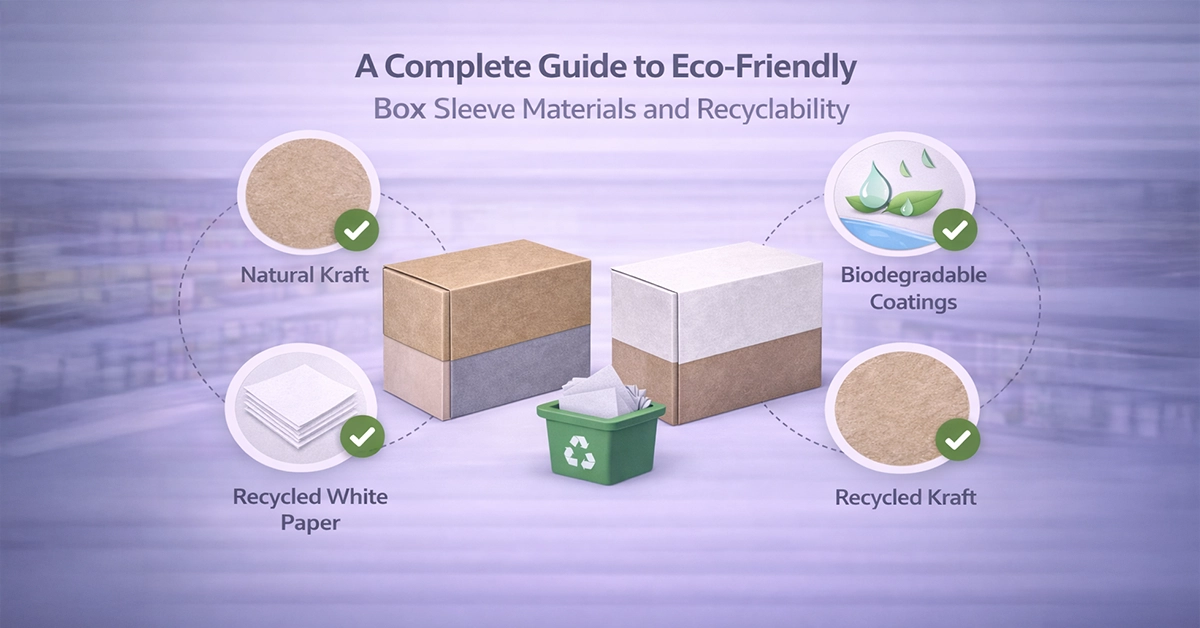
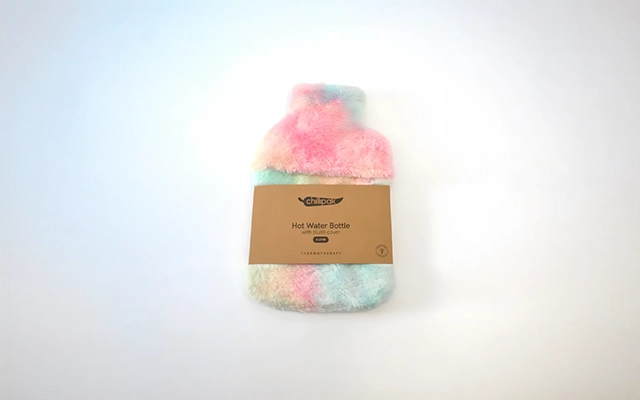
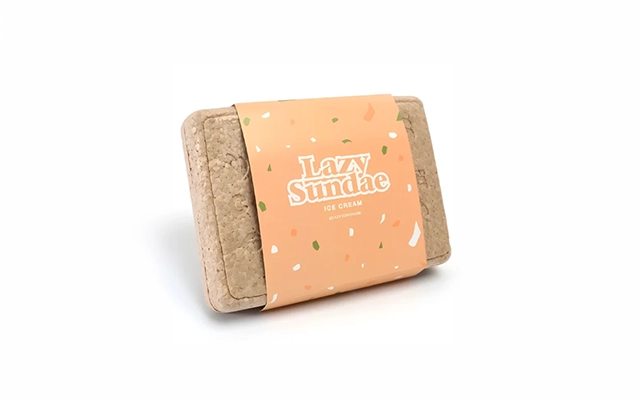
Paperboard remains one of the most reliable materials for eco-friendly box sleeves. When left uncoated or finished responsibly, it is widely recyclable across the UK and performs well across retail, e-commerce and promotional packaging.
Key advantages:
Paperboard sourced from certified forests further strengthens sustainability credentials.
Kraft paper sleeves are often chosen for their natural appearance and strong association with sustainability. They are typically unbleached, recyclable and well suited to brands that want packaging to visually signal environmental responsibility.
That said, kraft paper alone does not guarantee recyclability. Finishes such as lamination, foil or heavy coatings can undermine its environmental benefits.
Paperboard containing post-consumer recycled content reduces reliance on virgin fibre and supports circular economy principles.
Considerations include:
When specified correctly, recycled content sleeves can match the performance of standard paperboard while improving environmental outcomes.
Most paper-based box sleeves are recyclable in the UK, provided they meet certain conditions. Recycling facilities prioritise materials that are clean, dry and free from contaminants.
Box sleeves are most likely to be recycled successfully when they:
Clear disposal instructions also matter. Simple messaging helps consumers recycle sleeves correctly rather than placing them in general waste.
Plastic lamination is one of the most common reasons otherwise recyclable sleeves cannot be recycled. Even thin laminates can prevent fibres from separating during the recycling process.
While lamination improves durability and moisture resistance, it often conflicts with sustainability goals. Many UK brands are now choosing alternative finishes to balance protection and recyclability.
Water-based coatings provide surface protection without introducing plastic layers. These coatings improve durability while remaining compatible with recycling systems.
Benefits include:
This approach is increasingly common where sleeves need added resilience without compromising recyclability.
Inks and adhesives play a critical role in whether box sleeves can be recycled efficiently.
Best practice includes:
Although these elements are less visible, they significantly influence recycling outcomes.
Compostable packaging is often perceived as the most sustainable option, but this is not always the case in the UK.
Key challenges include:
Guidance from DEFRA highlights that recyclable packaging aligned with existing infrastructure often delivers more consistent environmental benefits than compostable alternatives.
| Material Type | Recyclable in UK | Key Benefits | Common Limitations |
|---|---|---|---|
| Uncoated paperboard | Yes | Widely accepted, versatile, strong | Limited moisture resistance |
| Kraft paper | Yes | Natural appearance, easy recycling | Fewer premium finish options |
| Recycled content paperboard | Yes | Reduced environmental impact | Minor colour variation |
| Laminated paperboard | No | High durability | Prevents recycling |
| Water-based coated paperboard | Yes | Added protection without plastic | Slight cost increase |
Sustainability claims must be accurate and transparent. Vague terms without explanation can weaken trust and invite scrutiny.
Good practice includes:
Clear communication helps customers dispose of packaging correctly and reinforces brand credibility.
Sustainable box sleeve design balances environmental responsibility with durability and branding.
Effective design principles include:
Small design adjustments can significantly improve recyclability without undermining visual impact.
Several trends are influencing box sleeve design across the UK:
These shifts reflect both regulatory pressure and changing consumer expectations.
Eco-friendly box sleeves are not about sacrificing performance or branding. They are about making informed decisions that align with UK recycling systems and long-term sustainability goals.
By choosing recyclable materials, responsible finishes and thoughtful design, brands can reduce waste, meet regulatory expectations and build lasting trust with customers.
If you are reviewing your current packaging or planning a new product launch, assessing the recyclability of your box sleeves is a practical step towards more responsible packaging. Making informed choices now can deliver both environmental and commercial benefits over time.

Unit 4-10 Stanton Road Ind. Est.
Stanton Road
Southampton
Hampshire
United Kingdom
SO15 4HU