Choosing the right material and finish for your box sleeve printing is not just a technical decision. It directly affects how your product is perceived, how well it performs in transit, and how closely it aligns with your brand values. For UK businesses, box sleeves are often the first branded touchpoint customers see, whether on a retail shelf, in a subscription box, or when opening a delivery at home.
This guide walks you through how to choose the right material and finish for box sleeve packaging, helping you balance appearance, durability, sustainability, and cost without overcomplicating the process.
A box sleeve is a printed wrap that fits around an existing box, adding branding, information, or visual impact without changing the structure of the packaging itself. Sleeves are widely used across retail, e-commerce, food and drink, gifting, and subscription products.
They matter because they:
The material you choose determines how your sleeve looks, feels, and performs.
SBS (Solid Bleached Sulphate)
Kraft board
Recycled cardboard
Material weight is typically measured in GSM. Heavier stocks feel sturdier, but overly thick sleeves can crack at folds or fit poorly if tolerances are tight.
Box sleeves need enough flexibility to slide on easily without splitting, while remaining rigid enough to hold their shape.
Key considerations include:
In many cases, a well-chosen mid-weight stock performs better than an overly thick one.
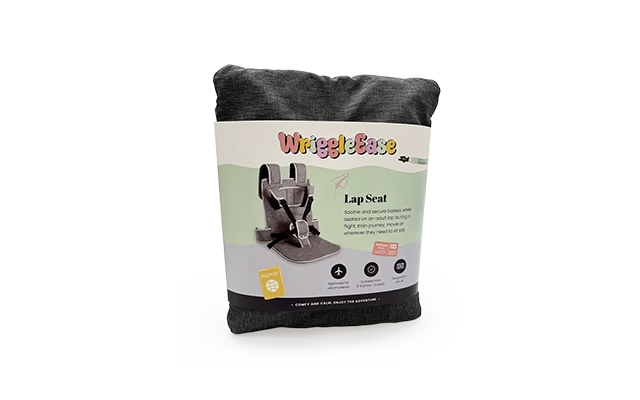
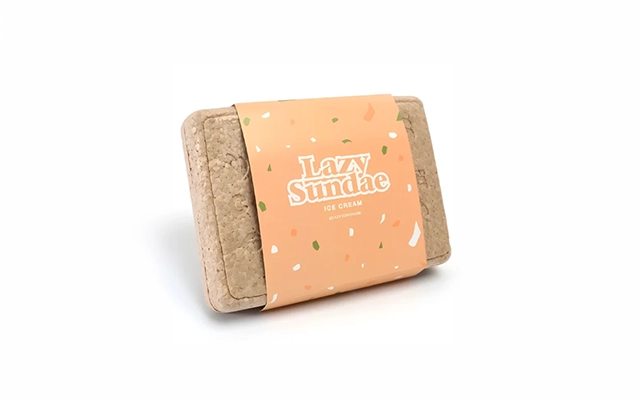
Matt finishes offer a soft, understated look that suits modern and premium brands.
Pros:
Cons:
Gloss finishes create bold, eye-catching packaging.
Pros:
Cons:
Soft-touch lamination adds a tactile, luxury feel, often associated with high-end products. However, it should be used carefully.
Alternatives such as water-based varnishes offer surface protection with fewer environmental trade-offs, as supported by guidance from the British Coatings Federation.
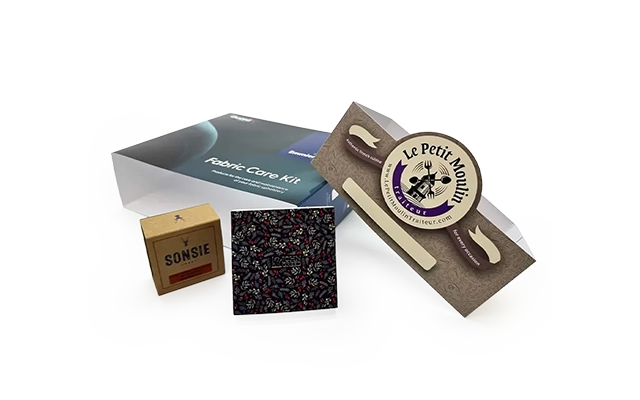
Sustainability plays a growing role in packaging decisions across the UK. Consumers increasingly expect packaging to be responsibly sourced and easy to recycle.
Important factors include:
Choosing the right combination becomes easier when you align it with your product and distribution method.
This table helps quickly compare options and is particularly useful when briefing designers or print specialists.
| Material / Finish | Visual Impact | Durability | Sustainability | Typical Use |
|---|---|---|---|---|
| SBS board | High | Medium | Medium | Retail, luxury |
| Kraft board | Medium | High | High | Eco brands, subscriptions |
| Recycled board | Medium | Medium | High | General branded packaging |
| Matt finish | Medium | Medium | Medium | Premium branding |
| Gloss finish | High | High | Medium | Retail display |
| Soft-touch lamination | High | High | Lower | Luxury products |
Premium finishes can add value, but only when they support your brand and product positioning.
Common pitfalls include:
A well-matched material and finish often delivers better results than the most expensive option.
Avoiding these mistakes reduces waste, delays, and unexpected costs.
Before committing to full production:
This step often prevents costly revisions later.
Knowing how to choose the right material and finish for box sleeve packaging allows you to create packaging that looks right, performs well, and aligns with your brand values. The best results come from understanding how materials, finishes, and real-world use interact, rather than focusing on aesthetics alone.
If you want box sleeves that work as hard as your brand does, speak to a packaging specialist who can guide you through material selection, finishes, and print testing to ensure the final result meets your goals.

Unit 4-10 Stanton Road Ind. Est.
Stanton Road
Southampton
Hampshire
United Kingdom
SO15 4HU