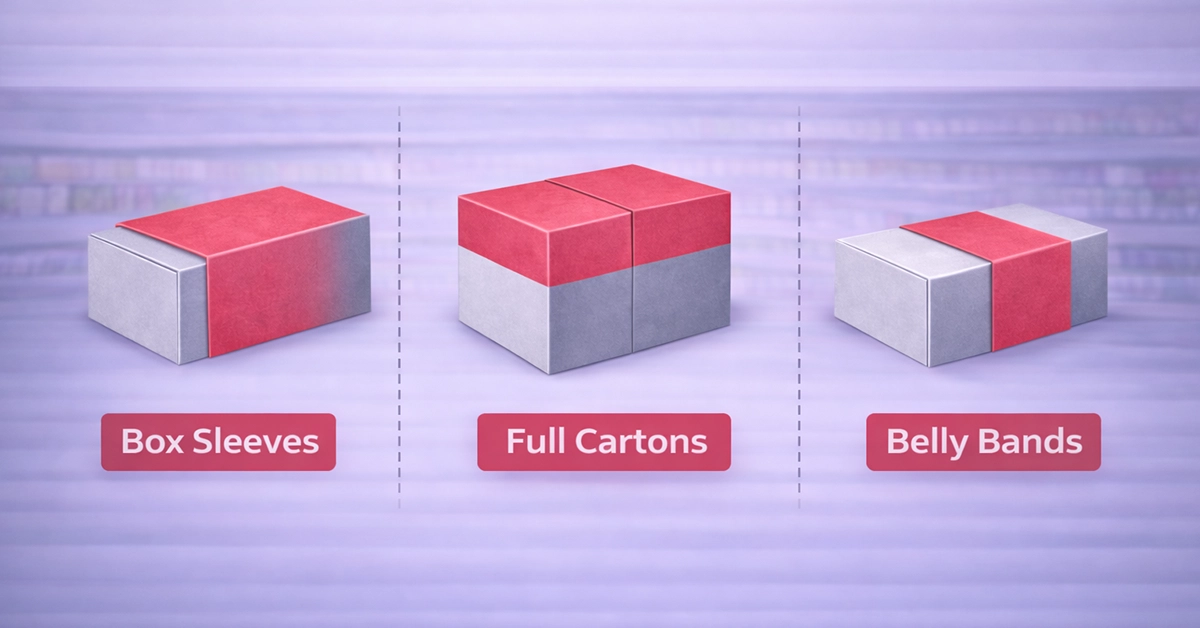
Choosing the right packaging structure is about more than visual appeal. The format you select directly affects cost control, sustainability, logistics, and how your brand is perceived from the first touchpoint. For UK businesses facing rising material costs and increasing pressure to reduce waste, understanding the practical differences between box sleeves, full cartons, and belly bands is essential.
This article provides a clear, side-by-side comparison of these three packaging formats, helping you make informed decisions based on real-world use, not assumptions.
Structural packaging refers to the physical format that holds and protects your product. Unlike graphic design, which focuses on colour and imagery, structure determines how packaging performs throughout its lifecycle.
Key factors influenced by structure include:
Industry guidance from bodies such as British Printing Industries Federation consistently highlights structural decisions as one of the most effective ways to manage packaging costs while improving sustainability.
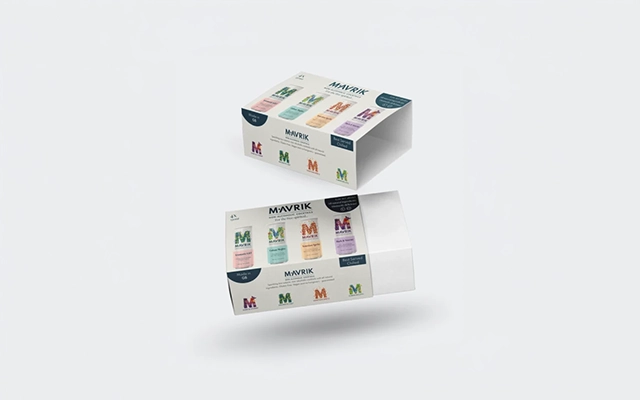
A box sleeve is a printed outer wrap that slides over an inner box or directly around a product. It allows brands to refresh packaging without changing the core structure.
Key advantages:
Box sleeves are widely used in retail and ecommerce packaging where adaptability and cost efficiency matter.
Full cartons are self-contained boxes designed to fully enclose and protect a product.
Key advantages:
However, full cartons require more board, more storage space, and higher production input, which can affect both cost and environmental impact.
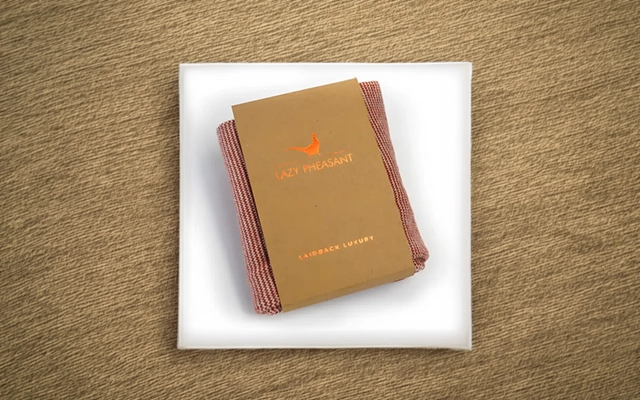
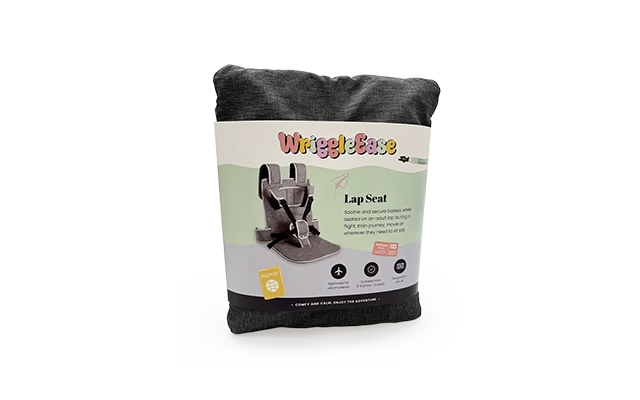
Belly bands are narrow printed strips that wrap around a product or group of items, holding them together while carrying essential branding or information.
Key advantages:
Belly bands work best when the product itself is visually appealing and does not require full enclosure.
The table below provides a practical comparison across the factors that most influence buying decisions.
| Packaging Format | Material Usage | Product Protection | Branding Space | Cost Efficiency | Sustainability |
|---|---|---|---|---|---|
| Box Sleeves | Medium | Medium | High | High | Strong |
| Full Cartons | High | High | Very High | Medium | Moderate |
| Belly Bands | Low | Low | Low to Medium | Very High | Very Strong |
This comparison aligns with material efficiency principles promoted by WRAP and reflects common production realities in the UK print sector.
From a production standpoint, structural choice has a measurable impact on budgets.
For brands running multiple campaigns each year, sleeves and belly bands reduce the risk of wasted stock when designs change.
Packaging structure plays a major role in how products are judged at first glance.
Environmental considerations now sit alongside cost and branding in packaging decisions.
Guidance from WRAP encourages businesses to remove unnecessary layers wherever product protection allows, making alternative formats particularly relevant.
Structural choices affect more than appearance.
For businesses shipping products across the UK, these operational efficiencies can deliver meaningful long-term savings.
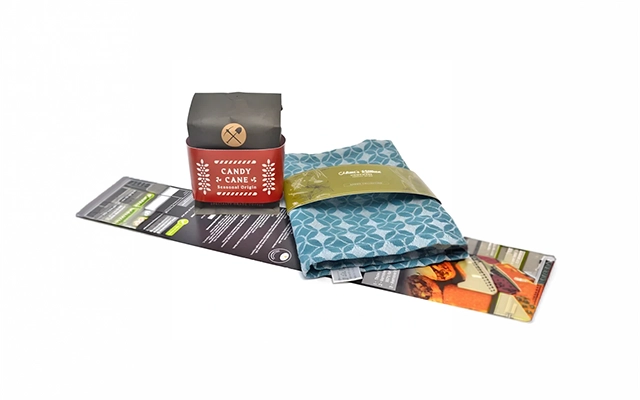
Each packaging format serves a different purpose.
Box sleeves are well suited to:
Full cartons are best for:
Belly bands work well when:
Addressing these issues early can improve both efficiency and customer experience.
Box sleeves, full cartons, and belly bands all have a place in modern packaging strategies. The most effective solution is the one that aligns structure with your product’s needs, your operational setup, and your sustainability goals.
By reviewing packaging formats side by side, UK businesses can reduce waste, control costs, and create packaging that works harder at every stage.
If you are reviewing existing packaging or planning a new launch, consider whether your current structure truly supports your goals. Exploring alternative formats, testing short runs, or seeking specialist advice can uncover opportunities to improve efficiency and brand impact without unnecessary complexity.

Unit 4-10 Stanton Road Ind. Est.
Stanton Road
Southampton
Hampshire
United Kingdom
SO15 4HU