Custom box sleeve printing costs can vary far more than many UK businesses expect. Two sleeves that appear almost identical can be priced very differently, which often leads to confusion when comparing quotes or planning packaging budgets.
This guide explains the real factors that influence the cost of custom box sleeve printing. By understanding how pricing works, you can make informed decisions, avoid unnecessary extras, and achieve packaging that fits both your brand and your budget.
There is no single flat rate for custom box sleeve printing. Pricing is built from a combination of fixed and variable costs, each influenced by your specific choices.
These typically include:
Materials and run length are usually the largest contributors to overall packaging costs, particularly for printed sleeves.
Material choice has a major impact on both unit price and perceived quality. In many cases, board selection accounts for a significant share of the total cost.
Common options include:
Thicker boards improve rigidity and protection but increase material usage and shipping weight. Recycled stocks can reduce costs, although they may limit colour intensity or finishing options.
The Confederation of Paper Industries regularly highlights how fluctuations in raw paper prices affect packaging and print costs across the UK.
Print method plays a critical role in cost efficiency, particularly when quantity is taken into account.
Digital printing is typically:
Litho printing involves:
For smaller orders, digital printing often makes financial sense. As quantities increase, litho printing becomes more economical because setup costs are spread across more units. This explains why prices drop sharply at higher volumes.
Order volume has one of the strongest influences on pricing.
As quantities increase:
UK packaging projects often see substantial unit cost reductions once production moves beyond short-run quantities. Planning volumes carefully, especially for repeat products, can lead to meaningful long-term savings.
Physical size directly affects cost. Larger sleeves require more board and more ink, increasing both material and production expenses.
Design decisions also matter:
Simplifying artwork, controlling ink coverage, and designing within standard formats can reduce costs without weakening visual impact.
The table below provides a clear overview of the main pricing influences and how strongly they affect overall cost.
| Cost factor | Impact on pricing | Cost influence |
|---|---|---|
| Board material | Premium or thicker stock increases unit cost | High |
| Print method | Litho cheaper at scale, digital suits short runs | High |
| Quantity | Higher volumes reduce unit price | High |
| Sleeve size | Larger sizes use more board and ink | Medium |
| Ink coverage | Heavy coverage increases production time | Medium |
| Finishes | Added processes raise unit cost | Medium to High |
| Tooling | One-off setup cost for custom shapes | Medium |
| Turnaround time | Short deadlines increase production costs | Medium |
Print finishes can significantly improve shelf appeal but add extra production stages.
Common enhancements include:
Finishes often have a greater cost impact on short runs, where setup time represents a larger proportion of the total price. On higher volumes, these costs are distributed more efficiently.
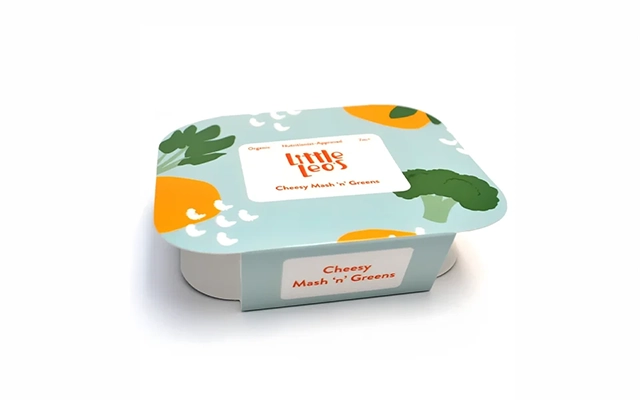
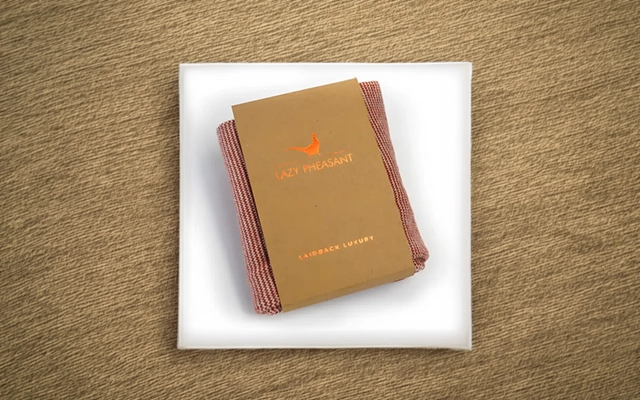
Most custom box sleeves require die-cutting tools to ensure accurate folds and consistent shape. These are usually one-off costs and can be reused for future print runs.
Reorders are therefore more cost-effective, while standard sleeve templates can reduce both tooling costs and lead times on initial orders.
Sustainability is increasingly important for UK brands and consumers, but it can influence cost depending on volume and specification.
Common considerations include:
Short lead times often increase costs due to:
Planning ahead allows for more efficient production scheduling and avoids rush charges, which can quickly inflate budgets.
There are several ways to control costs without compromising quality:
Small decisions at the design and planning stage often have a larger impact on price than expected.
The price of custom box sleeve printing is shaped by materials, quantity, print method, design complexity, finishes, and timing. When these factors are understood, pricing becomes far more predictable and manageable.
By making informed choices early on, UK businesses can achieve packaging that supports their brand, meets sustainability goals, and stays within budget.
If you are planning a box sleeve project, the most effective way to control costs is to start with a clear specification. A tailored cost breakdown based on your sleeve size, quantity, board type, and finishes will give you clarity before production begins and help avoid unexpected charges later.

Unit 4-10 Stanton Road Ind. Est.
Stanton Road
Southampton
Hampshire
United Kingdom
SO15 4HU