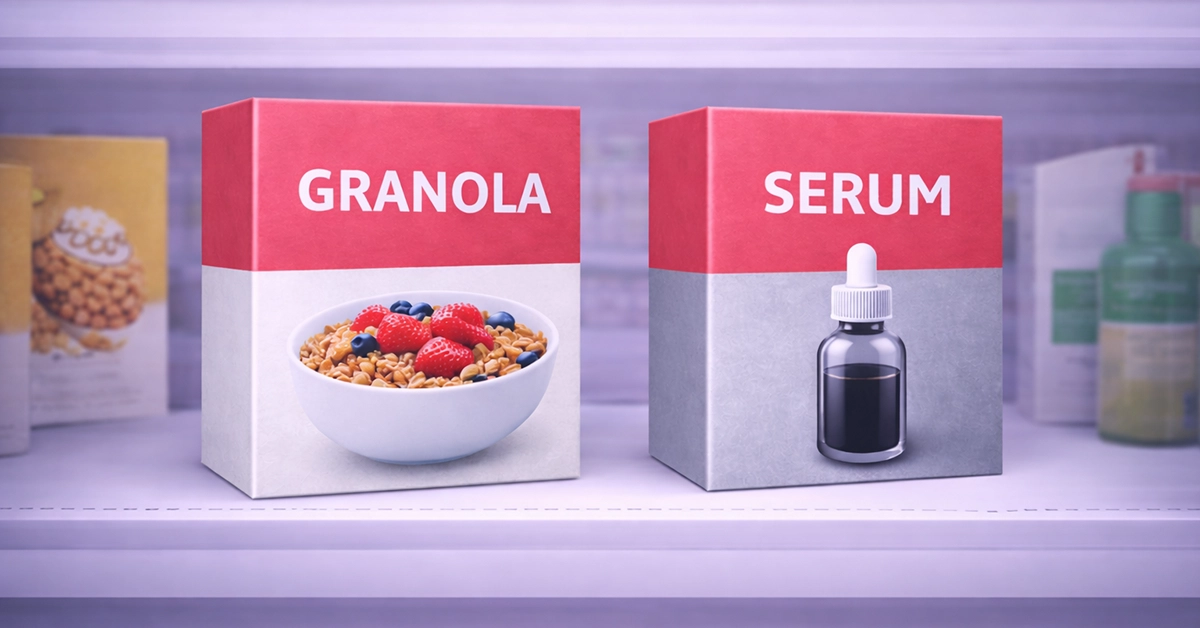
In food and cosmetic retail, products have only seconds to make an impression. Shelves are crowded, competition is intense, and shoppers make rapid decisions based on what catches their eye and feels right. In this environment, packaging is no longer just a container. It is a sales tool.
Packaging sleeves for boxes have become an effective way for brands to improve shelf impact without the cost, waste, or disruption of a full packaging redesign. From seasonal food ranges to premium cosmetic launches, sleeves give brands the flexibility to adapt quickly while strengthening visibility at the point of sale.
This article explains how food and cosmetic brands use box sleeves to improve shelf presence, support branding, manage compliance, and respond faster to commercial opportunities.
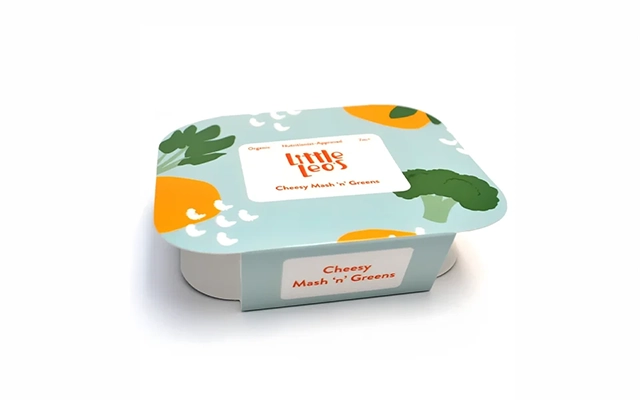
A box sleeve is a printed outer wrap that slides over an existing carton or rigid box. Instead of replacing the primary packaging, the sleeve adds an extra branded layer that can be updated independently.
Brands across food and cosmetics use box sleeves because they:
Most sleeves are produced using cardboard, kraft board, or other recyclable materials, making them suitable for brands balancing visual impact with sustainability goals.
Shelf impact describes how effectively a product stands out and communicates its value in a retail setting. In FMCG and beauty categories, shoppers rarely analyse every option. Instead, they scan shelves quickly and gravitate towards products that feel familiar, premium, or visually distinctive.
Academic research from ResearchGate concludes that packaging plays an important role in consumer purchase decisions and that packaging elements (colour, material, design) significantly affect how consumers choose products.
Box sleeves help improve shelf impact by:
For brands reviewing their retail packaging strategy, shelf impact should be considered alongside price, placement, and promotion.
Food brands face unique pressures, from regulatory changes to seasonal demand and intense price competition. Box sleeves offer a practical way to respond without overhauling core packaging.
Common applications include:
By using one base carton across multiple SKUs, food brands can handle flavour, variant, and promotional messaging through the sleeve alone. This reduces waste, simplifies stock control, and shortens lead times.
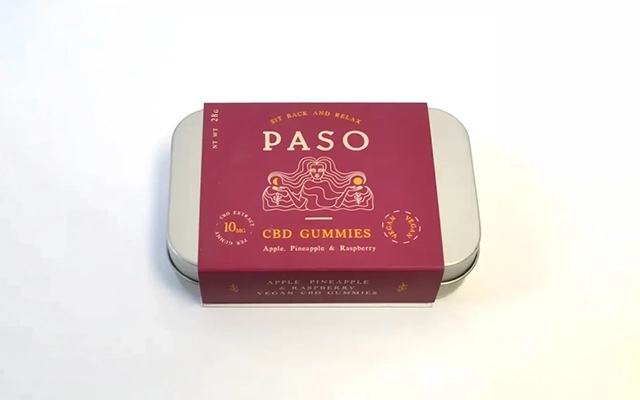
In cosmetics, packaging strongly influences how a product is perceived. Consumers often associate packaging quality with product performance, especially in skincare and personal care categories.
Cosmetic brands use box sleeves to:
Sleeves work particularly well alongside minimalist boxes. A clean carton paired with a well-designed sleeve can feel intentional, modern, and premium without excessive packaging.
UK consumers increasingly expect packaging to be recyclable, minimal, and clearly labelled. At the same time, food and cosmetic brands must manage frequent compliance updates.
Box sleeves support these requirements by:
Guidance from WRAP highlights the importance of reducing packaging waste and improving recyclability, particularly in food and personal care sectors.
For brands balancing sustainability targets with operational efficiency, sleeves provide a practical middle ground.
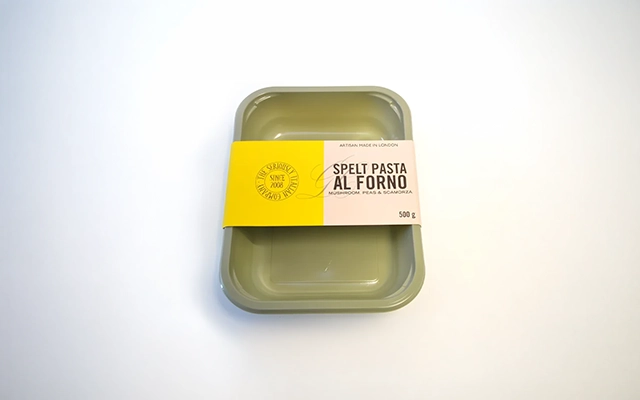
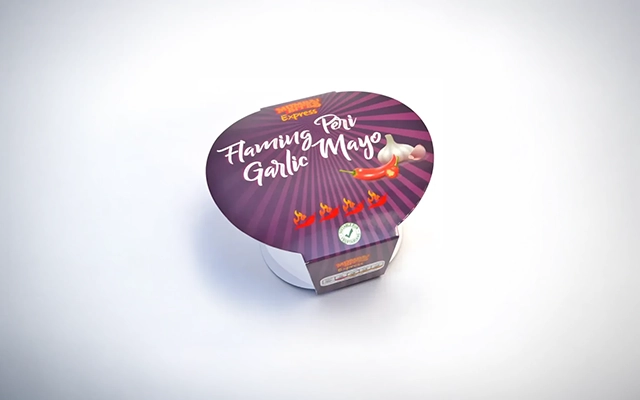
For SMEs and growing brands, speed and flexibility often matter more than large production runs. Box sleeves provide a faster, lower-risk route to market.
Key benefits include:
These advantages make sleeves particularly attractive for challenger brands, subscription products, and campaign-led packaging.
| Packaging Approach | Cost Impact | Speed to Market | Flexibility | Waste Reduction |
|---|---|---|---|---|
| Full box reprint | Higher | Slower | Low | Limited |
| Box sleeve | Lower | Faster | High | Strong |
This comparison highlights why many brands now treat sleeves as part of a long-term packaging strategy rather than a temporary fix.
Box sleeves are particularly effective when:
Instead of committing to a full redesign, brands can use sleeves to adapt quickly and respond to commercial opportunities with minimal disruption.
Effective sleeve design focuses on clarity, not complexity.
Best practice includes:
Industry commentary from Packaging Europe regularly shows that simple, focused designs outperform cluttered layouts in retail environments.
Box sleeves give food and cosmetic brands a flexible way to improve shelf impact while controlling costs, reducing waste, and responding faster to market changes. They support clearer branding, faster launches, and stronger retail presence without locking brands into long production commitments.
If your products need to stand out, communicate more clearly, or adapt to changing demands, box sleeves are well worth considering as part of your packaging strategy.

Unit 4-10 Stanton Road Ind. Est.
Stanton Road
Southampton
Hampshire
United Kingdom
SO15 4HU