NCR pad printing remains a dependable choice for UK businesses that need instant, accurate copies of written or printed documents. Used widely for delivery notes, invoices, job sheets and service reports, NCR forms allow you to create duplicate or triplicate copies without relying on carbon sheets.
This guide explains how NCR paper works, what ply counts mean, how durability and print clarity differ across formats, and how to choose the right option for your workflow. Whether you operate in trade, logistics, retail or office administration, this article outlines everything you need to make informed decisions.
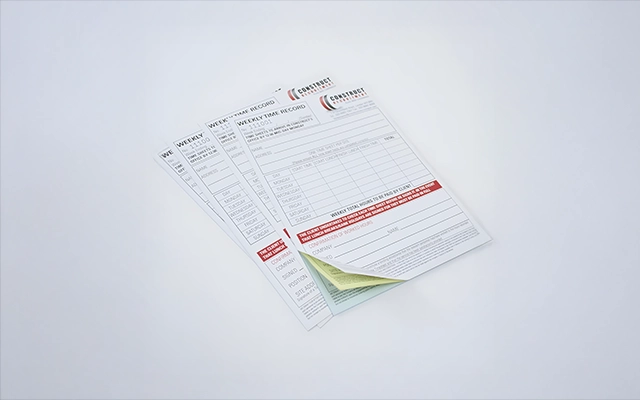
NCR stands for No Carbon Required. Instead of using separate carbon sheets, NCR technology uses a pressure-activated coating. The top sheet contains microcapsules filled with dye, and the sheet beneath carries a clay-based coating. When pressure is applied, the capsules break, and the dye reacts with the clay to create a clean, instant copy.
This makes NCR ideal for everyday business tasks, including:
Because one action produces multiple copies, NCR continues to be the preferred option for mobile teams and field-based operations.
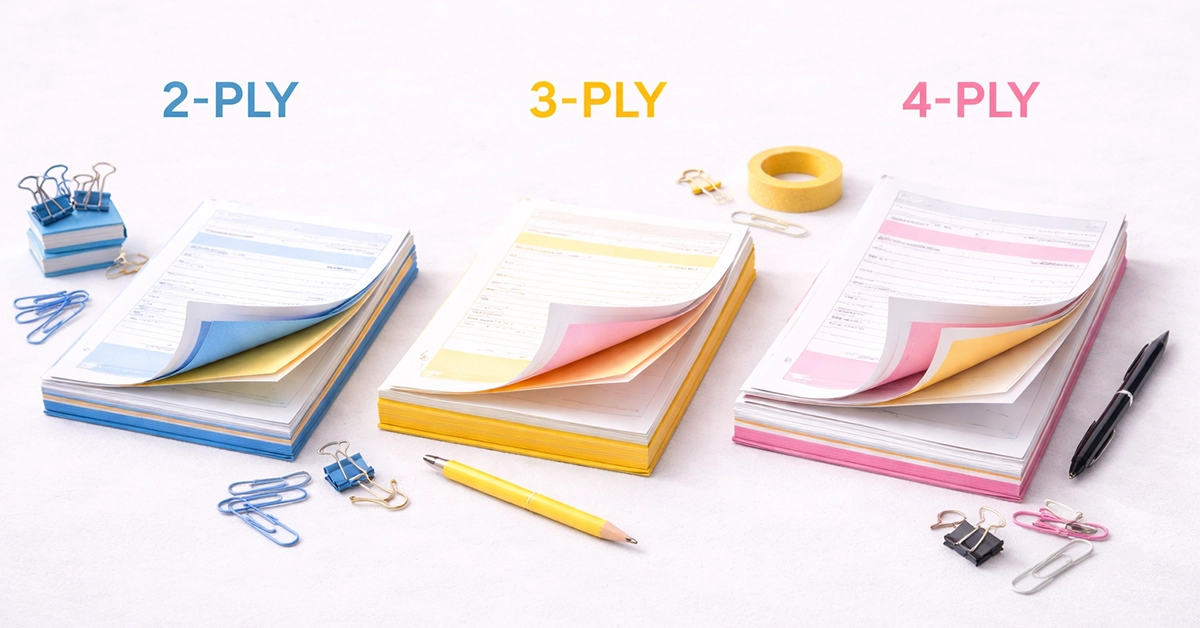
Ply count refers to the number of copies produced from a single written or printed entry. The most common formats include:
Copy sheets are often colour-coded to support workflow organisation. For example:
Choosing the correct ply count avoids unnecessary waste while ensuring each stakeholder receives the information they need.
NCR print quality relies on consistent pressure. When pressure is even, copies remain sharp and legible across all layers. To maintain clarity:
Most inkjet and standard laser printers are unsuitable for NCR paper. Ink and toner do not bond well with coated surfaces, and heat from laser printers may interfere with the microcapsules. Handwriting and impact printing remain the most reliable methods.
Durability is one of NCR paper’s strongest advantages. When properly stored, NCR forms can remain readable for many years. Factors influencing longevity include:
Forms kept within folders, clipboards or archive boxes naturally last longer than those stored loosely or exposed to light. For businesses with long-term record-keeping requirements, NCR remains a practical and dependable solution.
| Category | Details |
|---|---|
| Meaning of NCR | No Carbon Required – pressure-activated copy process |
| Standard Ply Counts | 2-part, 3-part, 4-part |
| Copy Mechanism | Microcapsules break under pressure and react with clay coating |
| Best Writing/Printing Methods | Handwriting, dot-matrix, impact printing |
| Durability Factors | Paper weight, coating quality, storage environment |
| Common Business Uses | Invoices, delivery notes, job sheets, service forms |
| Not Suitable For | Inkjet and many laser printers |
| Custom Options | Numbering, perforation, brand printing, padding, binding |
Different workflows benefit from different NCR formats.
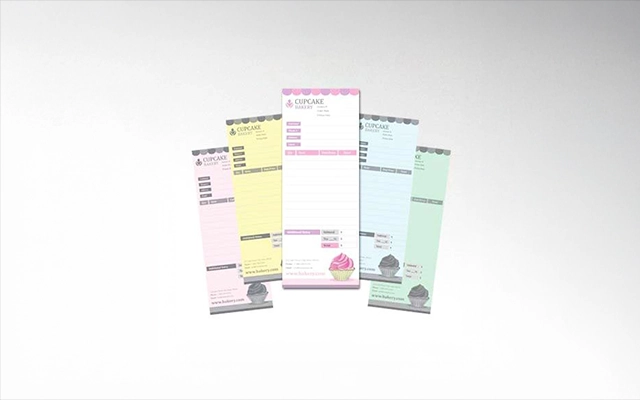
Ideal for businesses where individual sheets must be handed out immediately. Each set separates cleanly for quick distribution.
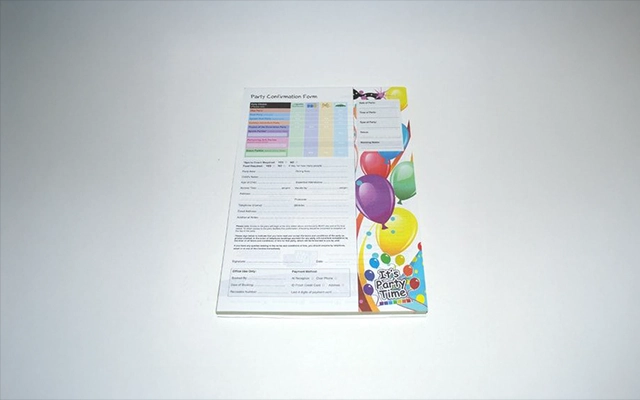
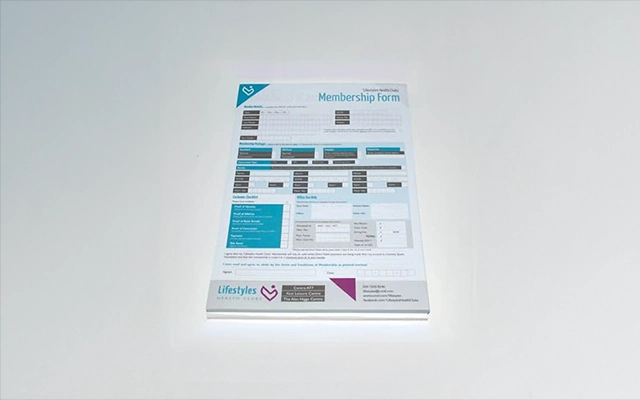
Typically bound at the top with around 50 sets per pad. Useful for tradespeople, drivers or mobile staff who need forms to remain organised while working off-site.
Stapled and perforated, allowing one sheet to remain inside the book as a permanent record. Favoured by:
Custom options such as numbering, perforation and branded covers help businesses streamline documentation while maintaining professional presentation.
Since NCR relies on physical pressure rather than digital printing processes, compatible methods include:
Avoid:
The coatings used in NCR stock can interfere with toner fusers and ink adhesion, resulting in poor print quality or equipment issues.
While NCR paper may cost more upfront than plain office paper, its long-term value is considerable. Benefits include:
For UK businesses working on the road or handling customer interactions face-to-face, NCR remains a cost-effective documentation method.
Modern NCR paper reduces waste by removing the need for messy carbon sheets. Many UK recycling centres accept NCR paper, though processes vary by region.
Historically, older carbonless papers raised concerns about chemical irritation among heavy users. Modern formulations comply with contemporary safety standards, though sensible measures, such as good ventilation and careful handling of high-volume batches, remain beneficial.
Real-world applications continue to keep NCR paper relevant. Common uses include:
Its reliability, simplicity and independence from digital systems make NCR a practical choice for fast-moving operations.
NCR paper remains an essential tool for UK businesses needing fast, accurate, multi-copy documentation. By choosing the right ply count, format and printing method, you can streamline your daily workflow and maintain clean, organised records that last.
If you’re considering implementing NCR forms or improving how your team uses them, now is an ideal time to review your documentation process and explore the formats that best match your operational needs.
Want support choosing the right NCR solution or planning a more efficient documentation system? Take the next step and start exploring the formats that keep your business running smoothly.

Unit 4-10 Stanton Road Ind. Est.
Stanton Road
Southampton
Hampshire
United Kingdom
SO15 4HU