Sustainability has become an essential priority for organisations across the UK, and printed materials are increasingly examined for their environmental impact. NCR products remain vital tools for many businesses, supporting workflows for delivery notes, invoices, field service reports and multi-part forms. Yet NCR materials carry unique environmental challenges that standard paper does not.
This guide explains what sustainable NCR printing involves, how materials behave, and what buyers should consider when sourcing forms responsibly. It is designed to help organisations reduce their environmental footprint while maintaining reliable documentation processes.
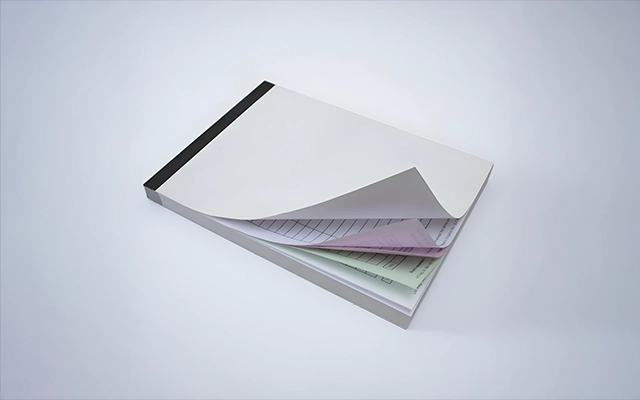
NCR stands for No Carbon Required. It is a carbonless paper designed to produce instant duplicates without old-style carbon sheets.
The technology relies on chemical coatings:
Businesses across logistics, retail, engineering, hospitality and field services continue to rely on NCR because it delivers:
However, these chemical coatings also introduce environmental considerations that buyers must understand.
NCR paper is more complex than standard office paper due to its chemical coatings. These coatings influence recyclability, waste handling and the overall carbon footprint associated with production.
Key sustainability concerns include:
NCR paper can often be recycled, but the process is more complicated than with uncoated materials. Coatings require additional de-inking and processing, and some facilities may divert coated paper to energy recovery rather than repulping.
Recyclability depends on:
This underscores why sustainable NCR printing requires attention to paper sourcing, inks, production techniques and waste systems rather than focusing on recycled content alone.
A key component of sustainable NCR printing is the use of responsibly sourced paper.
Effective options include:
Recycled papers require less energy to produce than virgin fibres. However, recycling fibres repeatedly weakens them, meaning sustainably sourced virgin pulp still plays a necessary role in maintaining paper quality across the system.
Inks and coatings significantly impact the sustainability of NCR printing. Modern environmentally responsible printers often use:
These reduce chemical emissions and improve safety for users and production teams.
Energy efficiency is another important factor. Improved sustainability can be achieved through:
These practices support lower carbon footprints across the production cycle.
| Topic | Buyer Insight | Sustainability Benefit |
|---|---|---|
| NCR Composition | Uses micro-encapsulated dyes and reactive coatings | Coatings affect recycling capability |
| Paper Source | FSC-certified, recycled or mixed fibres | Reduces deforestation and energy use |
| Inks and Chemicals | Vegetable-based, low-VOC inks | Lowers emissions and chemical waste |
| Recycling Limitations | Dependent on facility capability | Some coated papers diverted to energy recovery |
| Waste Reduction | Print-on-demand, digital replacements | Prevents unnecessary waste |
| Supplier Credentials | Environmental policies and certifications | Encourages transparent responsible practice |
Sustainability is not only about the materials used but also the way NCR printing is managed throughout the supply chain.
Strategies to reduce waste include:
These practices help lower waste volumes and operational costs simultaneously.
Sustainability depends heavily on a supplier’s production environment and environmental policies. Buyers should prioritise partners who demonstrate clear commitments to responsible NCR printing.
Important criteria include:
A reliable supplier should be willing to explain these processes and offer material alternatives that support sustainability goals.
Asking informed questions is one of the most effective steps buyers can take to reduce environmental impact.
Consider asking:
These questions guide procurement conversations and encourage suppliers to adopt more sustainable practices.
Across the industry, many printers are adopting improved environmental standards, including:
These approaches demonstrate that NCR printing can be aligned with modern sustainability expectations while still supporting essential business processes.
Even high-quality sustainable NCR printing has limitations:
Recognising these realities empowers buyers to make informed decisions that balance practicality and environmental responsibility.
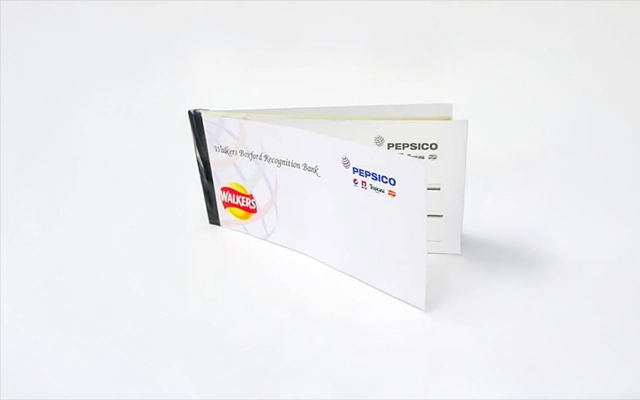
Sustainable NCR printing is about making informed choices that support environmental goals without compromising workflow reliability. By selecting responsibly sourced papers, low-VOC inks, efficient production processes and transparent suppliers, businesses can meaningfully reduce their impact.
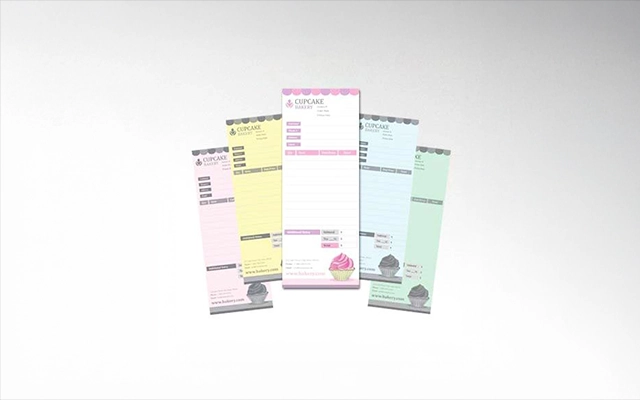
If your organisation relies on NCR pads, books or sets, now is an ideal time to reassess your print strategy. Thoughtful procurement choices support sustainability commitments and demonstrate responsible practice across your supply chain.
Review your current NCR usage, explore greener alternatives and engage with your print provider to identify environmentally conscious options that meet your operational needs. Sustainable NCR printing starts with informed decisions, and your next order can contribute to meaningful long-term change.

Unit 4-10 Stanton Road Ind. Est.
Stanton Road
Southampton
Hampshire
United Kingdom
SO15 4HU