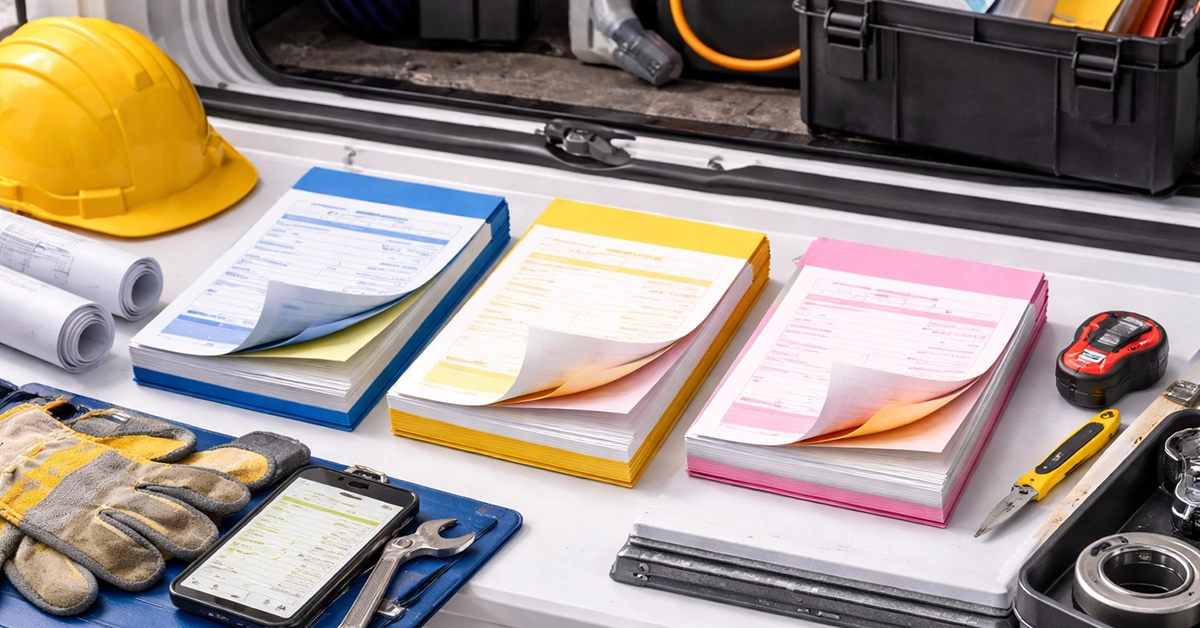
NCR pad printing remains one of the most reliable tools in operational environments across the UK. Despite the increasing use of digital reporting systems, many logistics, transport, and field service teams still depend on NCR paperwork for accuracy, instant duplication, and legally defensible record-keeping. Whether a driver is completing a defect report or an engineer is recording a site visit, NCR forms provide a fast, consistent, and traceable method of documentation.
This guide explores the essential operational uses of NCR forms, their role in compliance, and why they remain valuable for high-pressure workflows in logistics, transport, and field services.
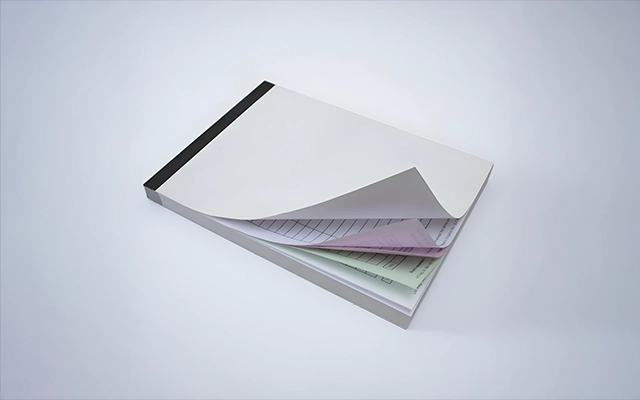
NCR (carbonless) forms create multiple copies of a document instantly, without requiring carbon sheets or printers. They support compliance, provide a clear audit trail, and help teams maintain documentation in environments where digital tools may be impractical.
Key advantages include:
These benefits make NCR forms particularly valuable in sectors that rely on rapid information capture and regular sign-off processes.
Logistics operations require accuracy, traceability, and clear confirmation at every stage of dispatch and delivery. NCR forms help streamline these processes by providing structured, easily auditable records.
Common logistics applications include:
These documents support accountability, help resolve disputes, and provide reliable evidence for insurance or operational reviews.
Transport operators rely heavily on NCR forms to meet DVSA and industry requirements. Physical documentation remains essential for roadside checks, fleet management, and safety reporting.
Key transport NCR forms include:
These forms support compliance, improve safety oversight, and create a clear incident record for audits and investigations.
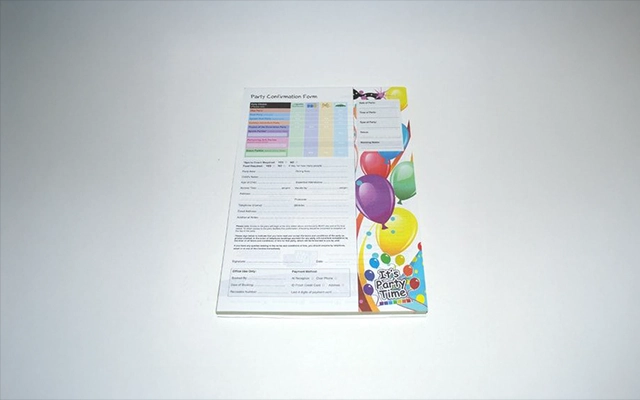
Field engineers and service teams often work in environments where connectivity varies. NCR forms ensure work can be documented accurately, regardless of location.
They are commonly used for:
These forms provide both the client and provider with a clear, consistent record, supporting future work, audits, and warranty claims.
| Sector | NCR Form Type | Primary Use |
|---|---|---|
| Logistics | POD forms, despatch notes, returns forms | Delivery confirmation, warehouse tracking, discrepancy reporting |
| Transport | Driver defect reports, load manifests, incident logs | Compliance, safety checks, operational evidence |
| Field Services | Job sheets, sign-off forms, risk assessments | Work verification, customer records, safety documentation |
Some industries rely on NCR forms not just for operational convenience but also for legal compliance.
Examples include:
For operations subject to audit, NCR forms provide chronological, tamper-resistant evidence of activity.
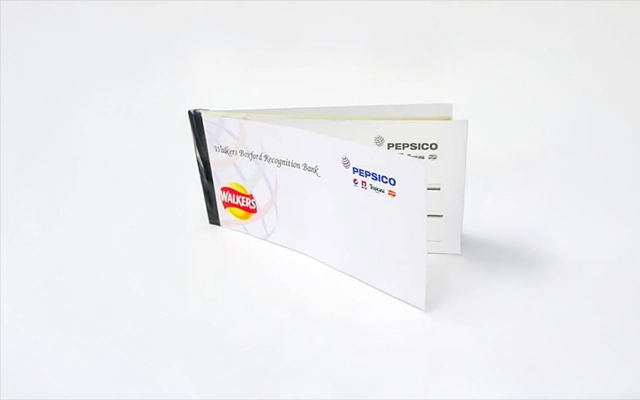
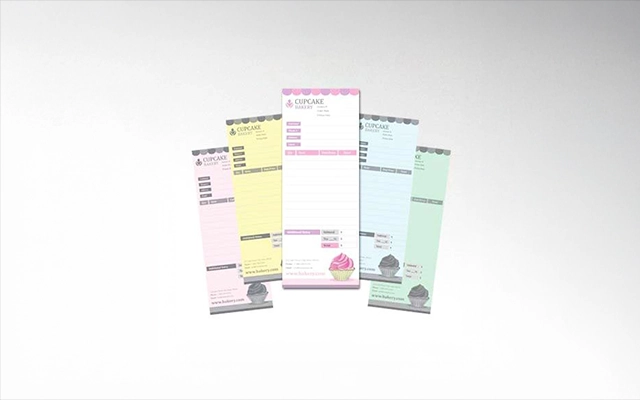
While digital reporting systems can streamline communication, NCR forms remain essential in:
Well-designed NCR forms also reduce errors through structured layouts, pre-filled fields, and clear prompts.
Selecting the correct NCR format ensures efficient use and accurate data capture.
Ideal for teams completing large volumes of forms on a workbench or desk.
Designed for drivers and engineers who require a hardback cover for mobility and durability.
Useful when individual sheets must be distributed immediately to multiple parties.
Typical ply options include:
Custom layouts can significantly improve usability and operational accuracy. Effective customisation includes:
Well-designed forms reduce the risk of incomplete documentation and support more consistent reporting across teams.
NCR forms remain an essential tool for UK businesses that value clarity, reliability, and compliance. Whether used alongside digital platforms or as a primary documentation method, they provide dependable, legally defensible records that support efficient operations in logistics, transport, and field services.
If you want to streamline your operational paperwork, support compliance, or ensure your team has reliable documentation in any environment, now is a great time to review your NCR requirements. Consider which formats, ply counts, and custom features will best support your workflows and provide your staff with the clarity they need.

Unit 4-10 Stanton Road Ind. Est.
Stanton Road
Southampton
Hampshire
United Kingdom
SO15 4HU