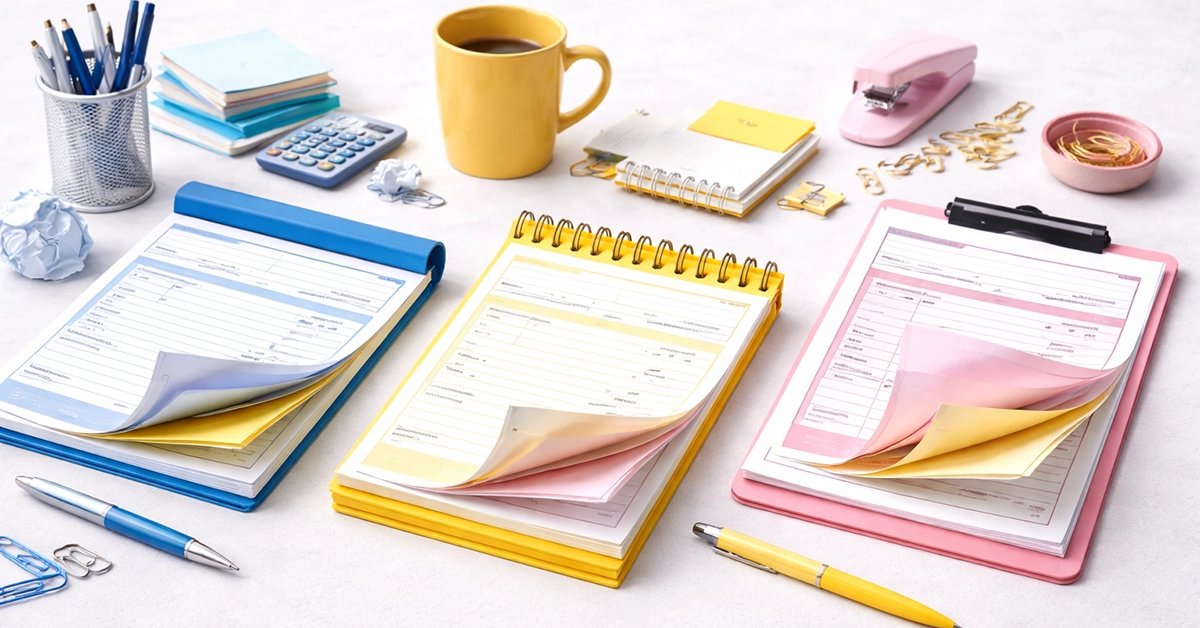
NCR printing remains an essential tool for many UK businesses, especially in sectors where handwritten forms, signatures and instant duplicates form part of daily workflow. Whether you operate a delivery service, manage a warehouse, work within the trades or run a small business, selecting the right NCR format can help reduce admin time, prevent errors and support professional record keeping.
This guide explains how NCR paper works, the differences between pads, books and sets, and how to identify the best option for your business. It also includes a quick-reference comparison table and a practical decision-making framework to support your choice.
NCR (No Carbon Required) paper uses a carbonless process to create instant duplicates as you write. Each sheet is coated with microscopic dye capsules or clay that react under pressure from a pen, allowing the writing on the top sheet to transfer to the sheets below.
NCR forms are widely used for:
Businesses choose NCR because it provides clean, instant duplicate copies without the waste or inconvenience of traditional carbon paper or repeated printing.
Choosing between NCR pads, books and sets depends on how your team uses paperwork, how often forms need to be distributed and whether retaining a bound record matters.
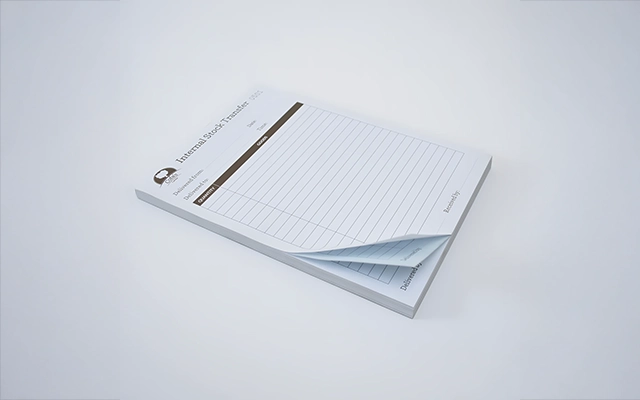
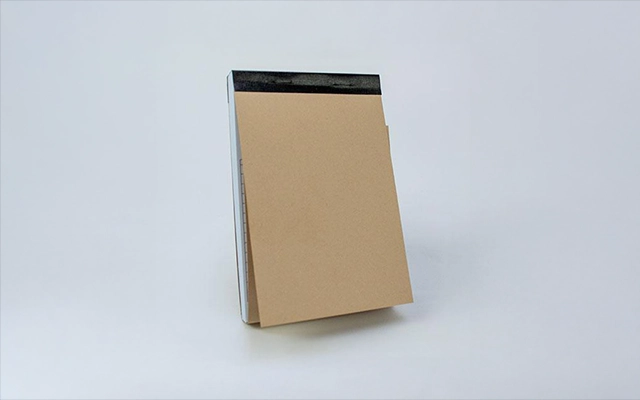
Pads contain multiple NCR sets glued at one edge, usually supplied with a writing shield. Their compact design makes them ideal for mobile teams such as delivery drivers, technicians or contractors.
Benefits:
Considerations:
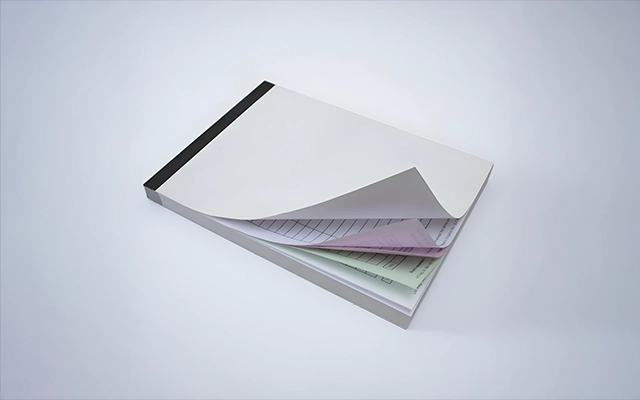
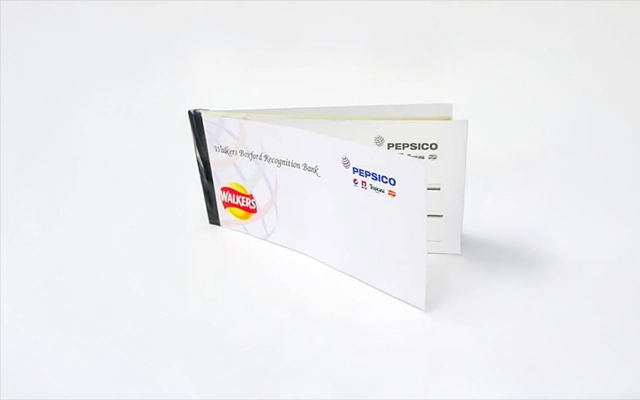
Books are bound with staples or tape, typically with perforated top sheets. The first sheet can be detached while the duplicate remains in the book, supporting structured documentation.
Benefits:
Considerations:
Loose NCR sets are not bound into pads or books, offering maximum flexibility. They are supplied as individually collated sets, which is useful when each copy needs to be passed to different people or stored in separate locations.
Benefits:
Considerations:
| NCR Format | Structure | Ideal Use | Key Advantages | Things to Consider |
|---|---|---|---|---|
| Pads | Glued sets with writing shield | Mobile teams, trades, deliveries | Portable, simple, suited to repeat tasks | No retained bound copy |
| Books | Bound with perforated sheets | Offices, warehouses, compliance-focused roles | Permanent duplicates, organised records | Less flexible for multi-party distribution |
| Sets | Loose, collated multi-part forms | Contracts, inspection reports, multi-recipient forms | Highly flexible, easy to hand out | Requires strong filing system |
To choose the right NCR format, consider the following:
Where will the forms be completed?
Who needs the copies?
How many copies do you need?
Does portability matter?
How often will forms be used?
A well-designed NCR form helps reduce errors and speeds up completion. Customisation ensures forms match your operational needs while presenting a consistent brand identity.
Useful custom options include:
Good design also reduces time spent handwriting repeat details, improving efficiency across your team.
Trades and field services often rely on pads and sets for on-site quoting, service reports and jobs requiring customer signatures. Loose sets make it easy to hand one copy to the client while sending another back to the office.
Delivery and logistics teams benefit from pads that provide a simple, portable method for completing delivery notes or proof-of-collection forms.
Warehouse and stock management operations favour books because they offer structured record keeping vital for audits, stock movements and dispatch logs.
Small business administration teams often use books for invoices, petty cash records or purchase orders, as they support chronological documentation and reduce the risk of misplacement.
NCR printing offers a practical alternative to carbon paper or frequent reprinting of duplicates. With instant copies generated as you write, businesses reduce time spent scanning, photocopying or manually producing additional paperwork.
Benefits include:
Carbonless paper is also a cleaner option than traditional carbon sheets, contributing to more sustainable office practices.
To make the right purchase, avoid the following pitfalls:
Clear planning helps ensure your chosen format supports your team effectively.
Before ordering, review this checklist:
Selecting the right NCR format makes a noticeable difference to your daily operations. Pads, books and sets each offer unique strengths, and matching them to your workflow ensures smoother processes, clearer records and fewer administrative errors.
If you are ready to refine your paperwork system or want support designing effective NCR forms, now is the ideal moment to review your workflow, identify your needs and choose the format that will help your team work with confidence.
Take the next step and map out which NCR format best supports your business goals.

Unit 4-10 Stanton Road Ind. Est.
Stanton Road
Southampton
Hampshire
United Kingdom
SO15 4HU