Print business cards remain one of the strongest physical branding tools available. Even in a digital-first world, the combination of size, thickness, and material determines how professional, memorable, and durable a business card feels. This guide explores the most common UK specifications, how different materials impact perception, and the factors to consider when choosing the right business card format for your brand.
A physical business card offers something digital networking simply cannot: a tactile, memorable moment that represents your brand. The size affects practicality, the thickness influences perceived professionalism, and the material controls how your card feels the second someone picks it up.
This article breaks down everything you need to know about business card specifications in the UK, helping you choose a format that supports your brand identity and communication goals.
The standard UK business card size is 85 x 55 mm, similar to a credit card. Its portability and familiar proportions make it the industry’s dominant format.
Most print-ready files require a bleed area that extends slightly beyond the final cut size to avoid white edges during trimming.
While the standard format suits most businesses, some brands benefit from choosing something more distinctive.
Benefits:
Considerations:
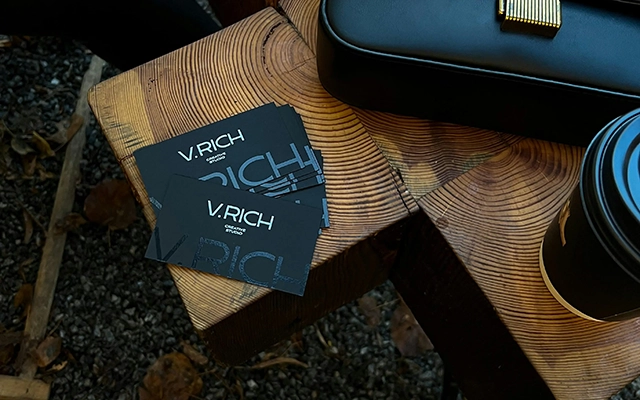

Thickness is one of the biggest factors affecting how a business card feels in the hand. UK printers describe card stock using GSM (grams per square metre), which refers to density and weight.
A higher GSM usually equals a sturdier, more substantial business card.
Thinner cards can feel casual or disposable, while thicker cards feel robust and trustworthy. Research into tactile perception suggests that heavier materials often convey authority and quality. This means GSM selection is not simply a technical specification but a subtle branding decision.
Durability also matters. Thicker cards resist creasing and wear, which is important for professionals who network frequently or hand out cards in busy, high-contact environments.
| Specification Category | Common UK Options | Strengths | Considerations |
|---|---|---|---|
| Size | 85 x 55 mm standard, 55 x 55 mm square, mini formats | Easy to store, predictable design space | Creative sizes may not fit wallets |
| GSM / Thickness | 250–300, 300–350, 350–400, 450+ GSM | Affects feel, durability, and perceived professionalism | Higher GSM increases cost |
| Materials | Coated, Uncoated, Textured, Recycled, Multi-layer | Defines texture, appearance, and brand personality | Some materials limit which finishes can be applied |
| Finishes | Matt, Gloss, Soft-touch, Foil, Spot UV | Enhances design, protects surfaces | Some finishes reduce writeability |
Material choice is one of the most influential aspects of business card specification. It determines texture, weight, finish capabilities, and overall brand expression.


Finishes don’t just improve durability, they help create visual hierarchy and tactile interest.
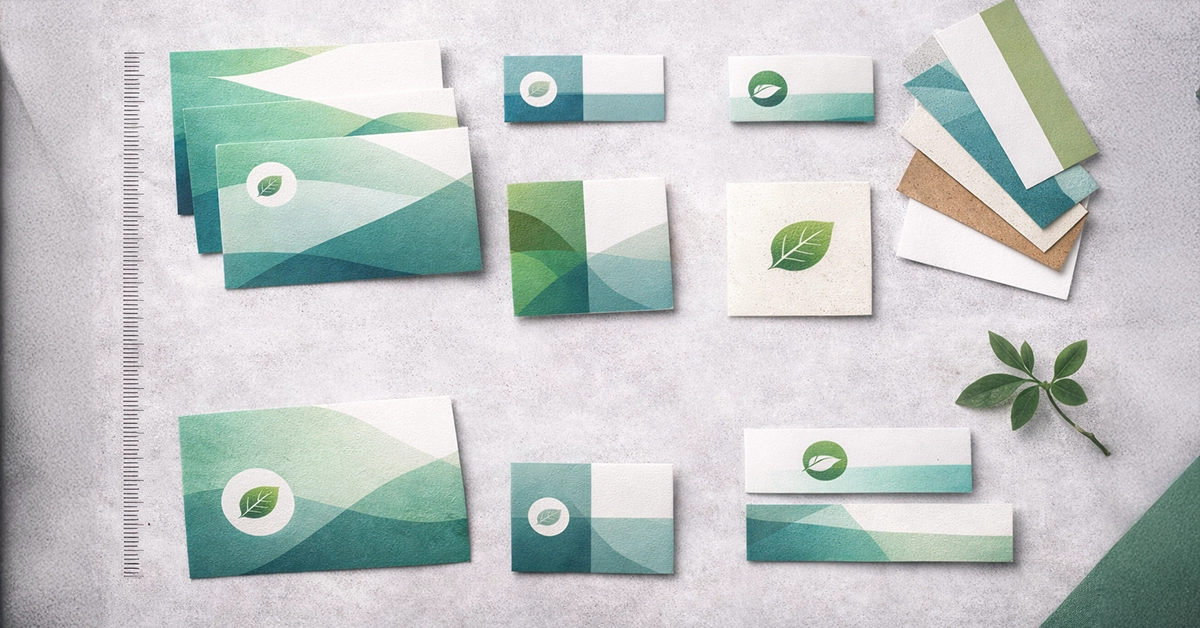
Eco-conscious stock options have grown significantly as UK businesses prioritise sustainability. Recycled fibres and FSC-certified papers help reduce environmental impact while maintaining quality.
Your final combination of size, thickness, and material should align with your brand goals, industry expectations, and practical needs.
Avoiding these mistakes ensures your business cards look intentional, consistent, and ready for any networking environment.
Your business card is often the first physical connection someone has with your brand. The right combination of size, thickness, and material creates a lasting impression long before the conversation continues online. Ensuring your cards reflect your brand identity will make every exchange more meaningful.

Unit 4-10 Stanton Road Ind. Est.
Stanton Road
Southampton
Hampshire
United Kingdom
SO15 4HU