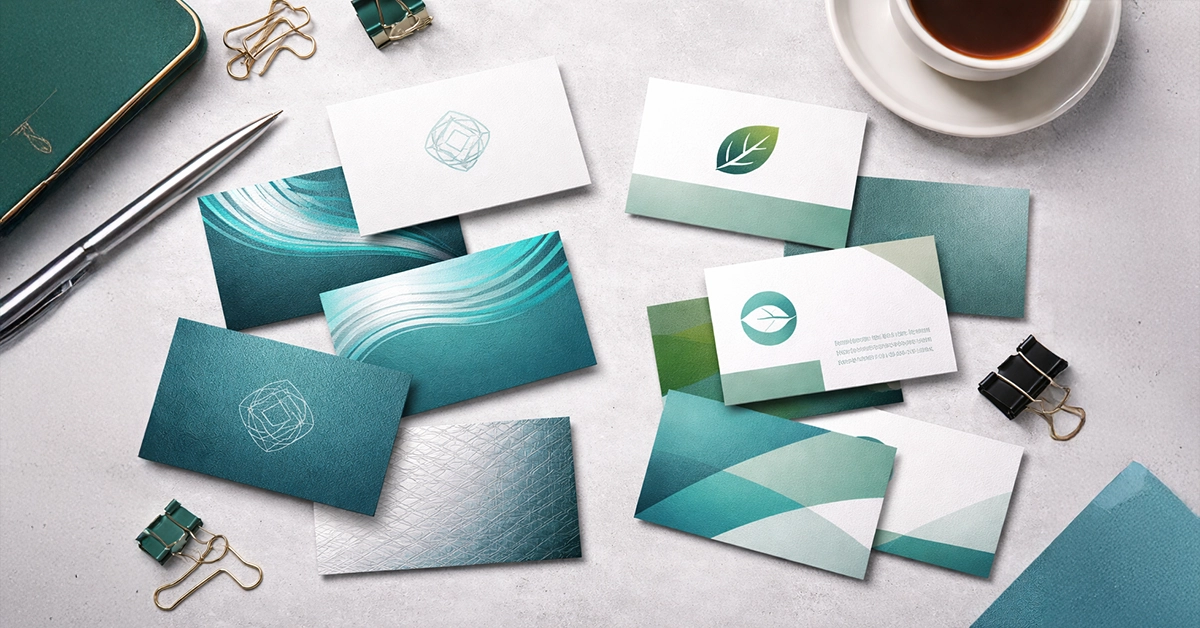
Business card printing is one of the most important physical representations of your brand. The way it looks, feels, and performs influences the impression you make and how well your details are remembered. The right business card finish strengthens your design, supports your brand identity, and helps your card stand out in real-world interactions.
This refined guide explains how each finish works, what it communicates, and how to choose the best option based on brand personality, industry expectations, and everyday use.
A finish does more than protect your design. It influences texture, durability, and the emotional impression your card creates. The tactile experience can enhance brand recall, while visual qualities such as shine, contrast, or texture influence how professional or premium your brand appears.
For businesses that rely on networking, client meetings, or face-to-face interactions, choosing the right finish is as important as choosing a logo or colour palette.
A gloss finish provides a shiny, reflective surface that enhances colour depth and vibrancy. It suits bright, bold artwork and visually driven brands. While durable, gloss can show fingerprints and may reduce readability under strong lighting.
Best for: creative businesses, lifestyle brands, design-led companies.
Matte offers a smooth, non-reflective surface that communicates clarity and professionalism. It enhances text readability, resists glare, and works well with minimalist layouts or strong typography.
Best for: corporate sectors, consultants, financial services, agencies.
Soft-touch laminates have a velvety texture that gives a premium feel and memorable tactile experience. This finish pairs well with simple, refined designs and instantly signals attention to quality.
Best for: boutique brands, luxury services, design-focused businesses.
Spot UV adds a glossy varnish to selected areas, creating contrast against a matte surface. It draws the eye to key details such as logos or headlines. Raised spot UV adds texture as well as visual impact.
Best for: modern brands wanting subtle emphasis and depth.
Foil stamping adds metallic accents in shades like gold, silver, black, or rose gold. It creates a high-impact finish ideal for premium branding. Foil works especially well on thicker card stocks or soft-touch laminates.
Best for: high-end services, hospitality, lifestyle brands.
Embossing raises elements of your design while debossing presses them into the card. Both techniques enhance tactile quality and add a crafted, considered feel.
Best for: artisan brands, heritage-focused businesses, premium sectors.
Options like linen, cotton, recycled, pulp, or kraft offer natural texture and character. These stocks express authenticity and sustainability, making them ideal for brands that prioritise environmental or handmade values.
Best for: eco-friendly companies, wellness brands, handmade product businesses.


The right finish reinforces your brand’s tone and personality. Consider how you want your card to feel and what impression you want it to create.
• Professional and reliable: matte, soft-touch, spot UV
• Premium and distinctive: soft-touch, foil, embossing
• Creative and bold: gloss, holographic foil, raised UV
• Sustainable or natural: uncoated, recycled, textured stocks
• Modern and sleek: matte with selective gloss or spot UV
A finish should complement your design, not compete with it.
| Finish Type | Key Qualities | Best For | Texture | Visual Impact |
|---|---|---|---|---|
| Gloss | Reflective, vibrant, bold colour | Creative and lifestyle brands | Smooth | High |
| Matte | Modern, professional, highly readable | Corporate and service-based sectors | Smooth | Medium |
| Soft-Touch | Premium, tactile, velvety | Boutique and high-end brands | Velvety | Subtle |
| Spot UV | Highlighted gloss for contrast | Brands wanting attention on key details | Gloss over matte | High |
| Foil | Metallic accents, striking detail | Premium and statement branding | Smooth | Very High |
| Emboss/Deboss | Raised or recessed texture | Heritage and crafted identity | Textured | Medium |
Gloss, matte, and soft-touch laminations offer strong resistance to scratches and general wear. Textured or uncoated stocks may be more delicate, making them better suited for selective distribution.
If your card relies heavily on text, choose a finish that supports clarity. Matte and soft-touch ensure excellent readability, while high-gloss designs may introduce glare.
Premium finishes such as foil, embossing, and raised UV increase production cost but also contribute to perceived value. For mass distribution, matte or gloss finishes may be more practical while still supporting professional presentation.
How and where you distribute your cards should inform your decision.
• Events with high-volume exchanges: durable gloss or matte
• Client meetings or presentations: soft-touch, foil, embossing
• Mailers: laminated cards for structural stability
• Boutique interactions: textured or specialist stocks
These considerations help ensure your finish matches both your brand identity and your everyday marketing needs.
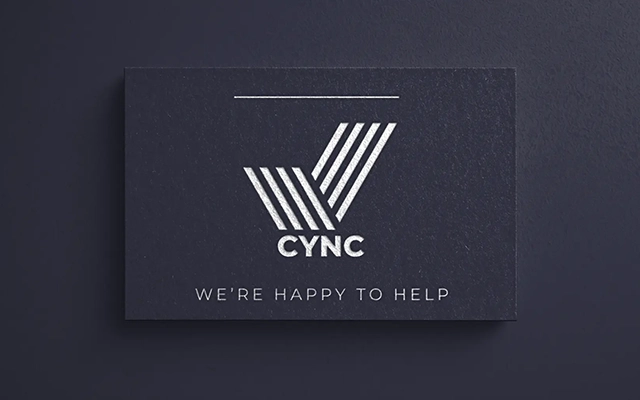
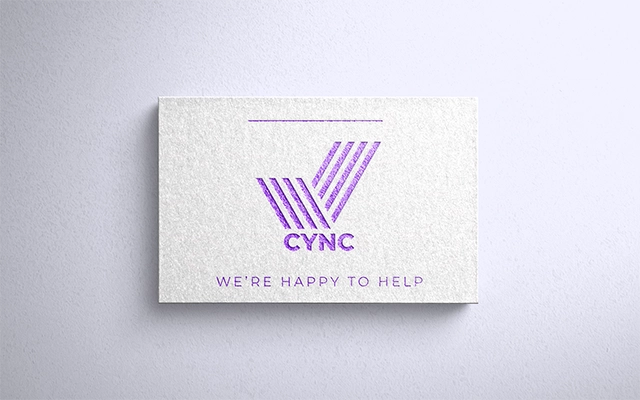
The current shift in print design highlights the growing importance of tactile and premium finishes. Trends for 2025 include:
• Soft-touch finishes for memorable hand-feel
• Metallic foil details paired with minimalist layouts
• Spot UV for subtle contrast and refinement
• Eco-friendly paper stocks and recycled materials
• Ultra-thick or layered card stocks for standout presence
Brands increasingly expect print materials to express thoughtfulness and consistency, and finishes play a crucial role in that experience.
Follow these steps to narrow your choice:
The right finish should support both function and identity.
A well-chosen business card finish enhances your design, reinforces your brand message, and makes your card more memorable. Whether you choose matte for clarity, soft-touch for a refined feel, or foil for a striking visual effect, the goal is to create a card that supports meaningful connections and helps your brand stand out.

Unit 4-10 Stanton Road Ind. Est.
Stanton Road
Southampton
Hampshire
United Kingdom
SO15 4HU