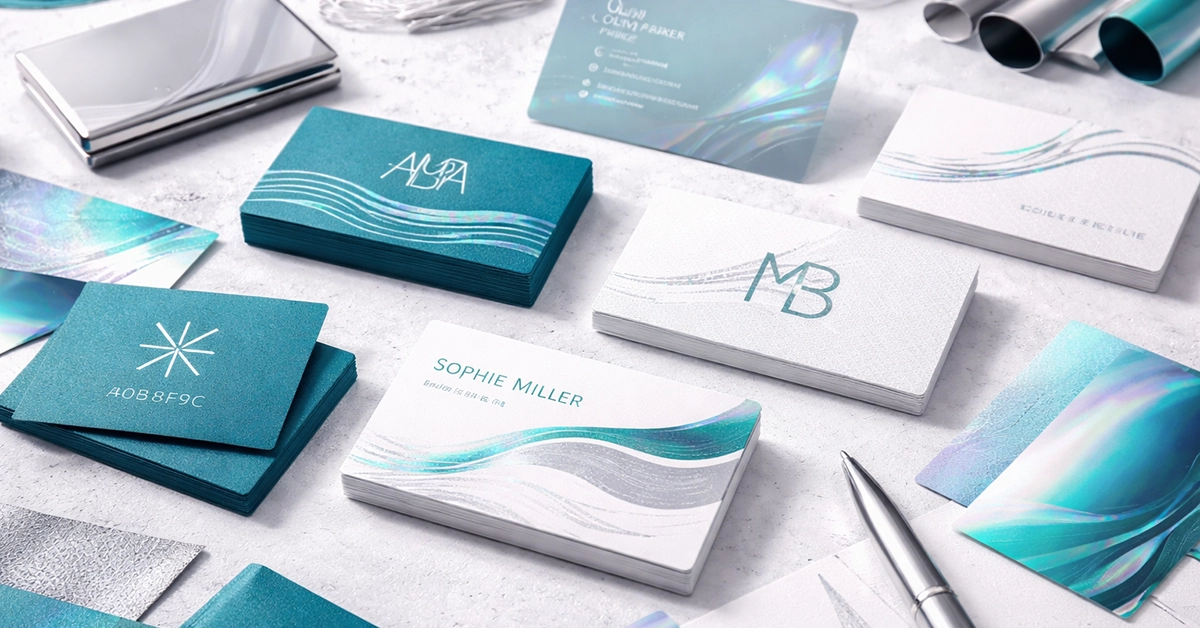
Business cards printing continues to be one of the strongest tools for in-person networking across the UK. Despite the rise of digital communication, physical cards still serve as a tactile introduction to your brand. In 2026, the focus has shifted towards cards that communicate identity through thoughtful design, sustainable material choices, and modern print techniques.
This guide explores the leading business card trends for 2026 and explains how these design, material, and process decisions can support stronger brand recognition.
Design direction in 2026 centres on clarity, personality, and visual storytelling. Businesses are moving away from generic layouts and choosing cards that feel distinctive and purposeful.
These trends highlight a shift towards designs that do more than present contact details; they convey brand personality at first glance.
Material choice has become just as important as design, with UK businesses prioritising durability, sustainability, and tactile quality.
Material choice carries visual and emotional weight, helping reinforce how a business wants to be perceived.


With advances in print technology, even small businesses can access high-quality finishes that previously required large print runs.
These processes allow brands to create cards that stand out visually and physically.
| Category | Trend | Description | Ideal For |
|---|---|---|---|
| Design | Expressive typography | Large, impactful lettering | Creative and modern brands |
| Design | Full-bleed colour | Edge-to-edge colour fields | Tech and contemporary businesses |
| Material | Premium-weight stock | Thick 400–800 gsm card | Consultants and luxury services |
| Material | Recycled stock | Natural, eco-friendly options | Sustainability-focused companies |
| Digital printing | Fast, flexible print method | SMEs and designers | |
| Finishing | Foil, embossing, spot UV | High-impact tactile effects | Premium or design-led brands |
UK businesses are increasingly combining physical cards with digital experiences. QR codes have become a standard feature because they streamline the way recipients access additional information.
NFC-enabled cards are also growing in use, offering instant contact sharing for brands looking to modernise their networking tools.
Sustainable design is a defining priority for many UK businesses. Recycled, FSC-certified, and uncoated stocks reflect responsible brand choices and appeal to audiences who value environmentally conscious practices.


Shape and structure play a bigger role than ever in making cards memorable.
These formats help businesses stand out in crowded networking environments.
Selecting your business card format should start with a clear understanding of your brand identity and intended use.
Business cards are adapting rather than disappearing. Expect further innovation in materials, more sustainable production methods, and deeper integration with digital and interactive technology. NFC, augmented layers, enhanced textures, and custom cuts are likely to shape the next generation of business cards.
Business cards remain a vital part of brand communication in the UK. By choosing the right combination of design, material, and finishing techniques, you can create cards that support memorable introductions and reinforce your brand identity. Consider the trends shaping 2026 and take the next step by selecting a design that reflects your message, values, and ambitions.

Unit 4-10 Stanton Road Ind. Est.
Stanton Road
Southampton
Hampshire
United Kingdom
SO15 4HU