Sustainability continues to shape purchasing behaviour in the UK, and that shift now includes one of the most traditional marketing tools: the business card. With millions of cards printed and quickly discarded each day, business owners are increasingly searching for environmentally responsible alternatives that still look professional.
This guide explores the most effective eco-friendly business card options, how they reduce environmental impact, and what buyers should consider when choosing a sustainable material or printing method. Whether you’re rebranding, preparing for events, or prioritising greener business practices, these insights will help you select the right option for your needs.
Eco-friendly business cards are designed to minimise waste, reduce resource consumption, and support responsible production. A sustainable business card typically incorporates:
Every aspect of the card contributes to its sustainability, making it important to consider both materials and production methods.
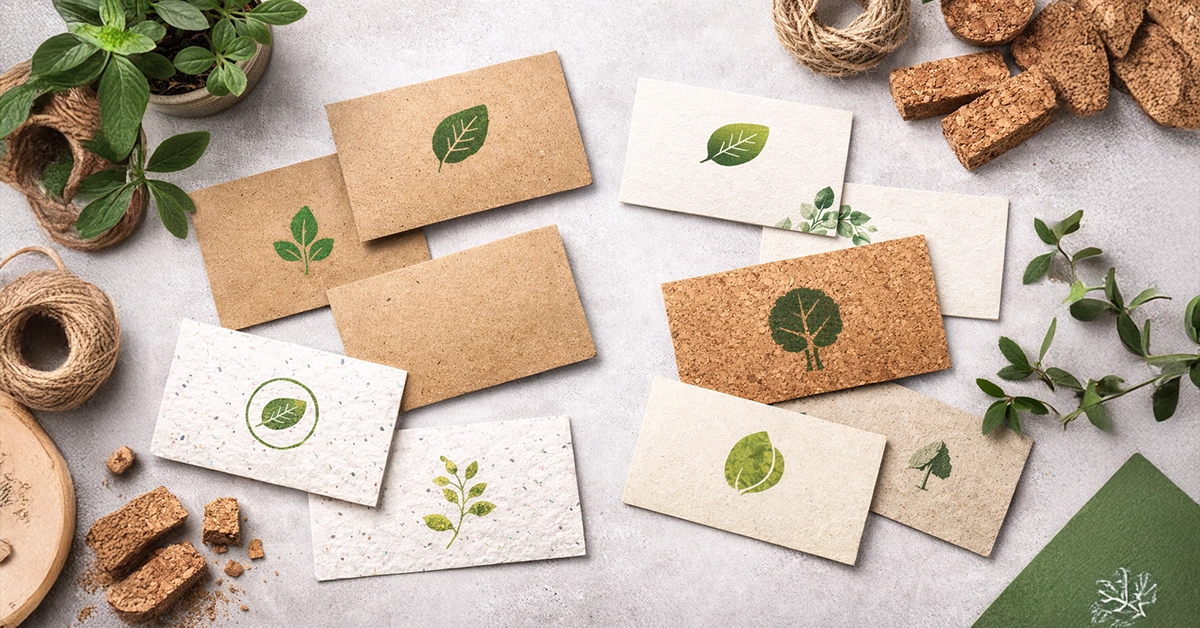
Recycled card stock remains the most widely used eco-friendly option due to its accessibility, affordability, and high print quality.
Recycled business cards offer a reliable balance of sustainability, design flexibility, and cost-effectiveness, making them ideal for general business use.
Kraft paper is an excellent option for brands wanting to communicate authenticity or natural values. Made with minimal chemical bleaching, it provides a warm, organic appearance that stands out.
Because kraft has a naturally brown tone, bold designs and high-contrast colour schemes tend to perform best.
Plant-based papers such as bamboo and hemp provide sustainable alternatives to traditional pulp. These fast-growing fibres require fewer resources and deliver a premium tactile experience.
While often more specialist and higher in price, plant-based cards are ideal for businesses wanting a high-end sustainable option.
Seed paper is a standout solution for brands wanting an interactive, environmentally conscious design. After use, recipients can plant the card and grow herbs or wildflowers.
Seed paper requires lighter ink coverage to ensure successful germination, making simple layouts more suitable.
| Material Type | Environmental Benefit | Best Use Case | Design Considerations | Notes for Buyers |
|---|---|---|---|---|
| Recycled Paper | Lower water and energy use; reduces virgin fibre demand | Corporate, creative, general business | Supports detailed, full-colour designs | Highly cost-effective, widely available |
| Kraft Paper | Minimal chemical processing; biodegradable | Artisan, organic brands | Muted colour reproduction; rustic tone | Works best with bold typography |
| Bamboo / Hemp | Renewable fibres; reduced reliance on traditional pulp | Premium eco brands | Unique natural texture | Higher cost; specialist stock |
| Seed Paper | Entirely biodegradable; plantable | Environmental, lifestyle, creative sectors | Works with simpler designs | Very strong sustainability message |
| Eco Inks & Processes | Lower chemical impact | All industries | Compatible with most card stocks | Combine with recycled stock for best results |
Choosing a greener card stock is only part of the sustainability equation. The printing process significantly influences environmental impact.
When combined with recycled or plant-based materials, these methods contribute to a significantly lower overall footprint.

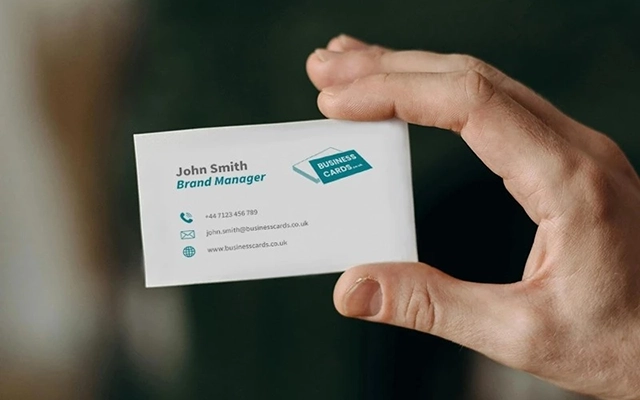
Selecting the most suitable sustainable business card involves balancing your design needs, budget and brand identity.
Creating a sustainable card is not just about materials; it’s about ensuring every choice aligns with your brand values.
Sustainable business cards can vary in price, depending on the materials and finishes selected. Recycled card is often the most budget-friendly option, while plant-based fibres and seed paper may cost more due to specialist production.
However, eco-friendly materials offer long-term branding and environmental benefits, including:
These added values often outweigh the small cost difference.
Digital business cards are becoming increasingly popular as an environmentally friendly option. They allow users to share contact details instantly through QR codes, NFC technology or digital profiles.
Digital options complement, rather than replace, printed eco-friendly cards, offering flexibility across different business contexts.
Eco-friendly business cards provide an effective way to reduce environmental impact while still presenting your brand professionally. Whether you choose recycled materials, kraft, plant-based fibres or seed paper, each option supports more responsible business practices and helps communicate your values.
Small decisions like switching to sustainable card stock make a real difference over time, especially for businesses that network frequently.
If you’re planning your next print run, now is the perfect time to choose a more responsible material. Explore sustainable card stocks, consider eco-friendly printing methods and ensure your business cards reflect both your brand identity and your environmental commitments.
Your next introduction could be greener, more memorable and better aligned with the future of responsible business.

Unit 4-10 Stanton Road Ind. Est.
Stanton Road
Southampton
Hampshire
United Kingdom
SO15 4HU